Why We Publish Technical Content

Most static mixer content online is written by people who have never specified one for a real process. Generic statements about "turbulent flow" and "uniform mixing" without any of the numbers that an engineer actually needs: Reynolds number, viscosity, CoV target, pressure drop budget, and residence time. The result is that process engineers spend hours searching the web, only to conclude that they need to call a vendor for a real answer.

We are a static mixer manufacturer and we have been specifying units for chemical, petrochemical, water, food, and pharmaceutical processes for over 15 years. The articles below are written by our engineering team and reflect what we have actually learned — including the mistakes, the rework, and the surprising outcomes that never make it into vendor white papers. Our goal is to give you enough information to specify a mixer correctly, or to know when to ask for help.

Each article is structured to be useful in a working engineer's day. We give you the formulas, the worked examples, and the selection criteria. Where industry standards exist (EHEDG, FDA, USP, ASME BPE), we cite them. Where consensus does not exist, we tell you what we do and why. If you have a specific application not covered here, send us your process data and we will respond with a sized selection within 24 hours.

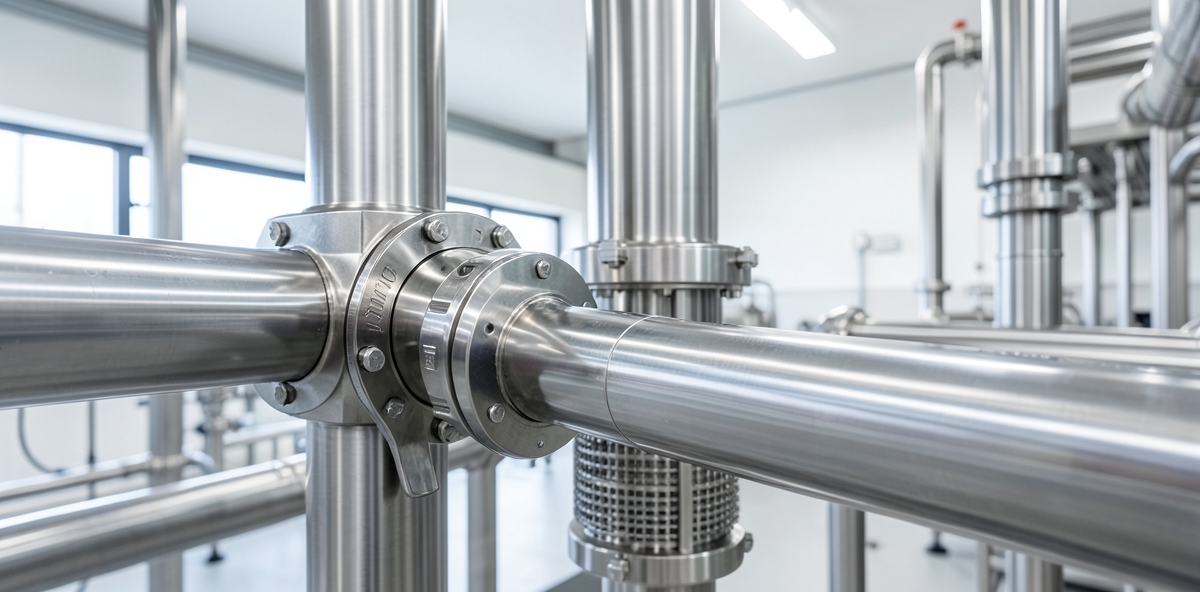
SV vs SK Static Mixer Guide
2024-01-15 · 8 min read · Engineering Guide

How to Choose Between SV and SK Static Mixers: A Practical Guide

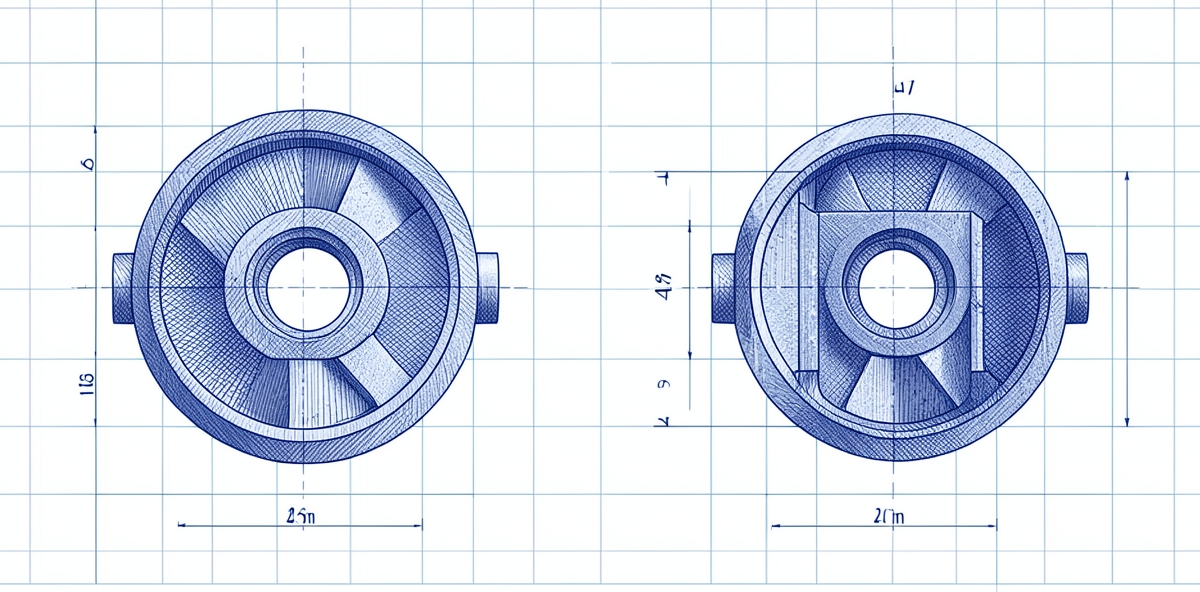
SV and SK are the two most-specified static mixer geometries, and selecting between them is one of the most common engineering decisions in inline mixing. This guide covers the structural differences, viscosity ranges, clogging behavior, dispersion precision, pressure drop characteristics, and the real-world scenarios where each excels. Includes a side-by-side comparison table and three worked selection examples covering low-viscosity additive injection, high-viscosity polymer blending, and immiscible liquid-liquid dispersion.
Static Mixers in Water Treatment
2024-02-20 · 11 min read · Application Guide

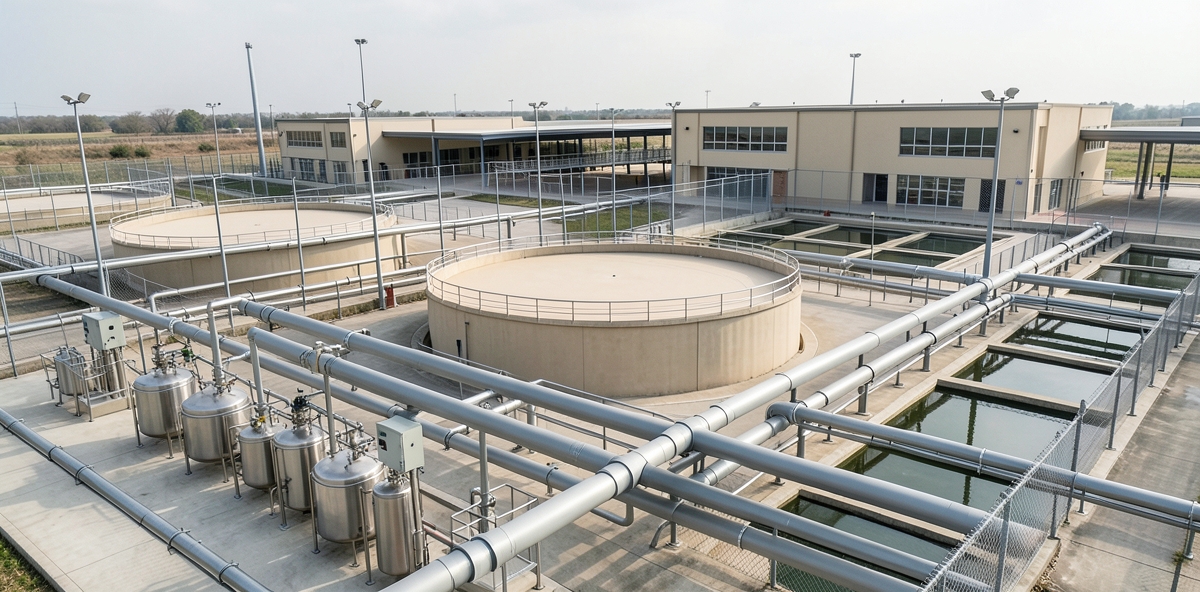
Static Mixers in Water Treatment: Complete Application Guide

Coagulant dosing (PAC, ferric chloride, alum), flocculant mixing (PAM), pH adjustment (acid/base neutralization), disinfection (chlorine, chlorine dioxide, ozone), UV treatment pre-mixing, and the sizing considerations specific to municipal and industrial water treatment plants. Includes material selection guidance for chlorine-bearing service, sulfate-bearing service, and high-temperature regeneration streams.

Pressure Drop Calculation
2024-03-10 · 9 min read · Engineering Calculation

Understanding Pressure Drop in Static Mixers: Calculation & Optimization

What causes pressure drop in static mixers, the formulas for SV, SX, and SL types using the hydraulic diameter method, the equivalent formula for the SK type, a worked example with real numbers (water, 30 m³/h, DN100), and the optimization levers available to the engineer. Covers acceptable pressure drop ranges by application, from low-budget dosing (≤ 0.1 bar) to high-shear polymer activation (≤ 1.5 bar).

Food Grade Static Mixers
2024-04-05 · 10 min read · Hygienic Design

Food-Grade Static Mixers: Hygienic Design, Materials, and CIP Compatibility

Hygienic design principles (Ra ≤ 0.8 µm, no dead zones, Tri-Clamp connections, drainability), material selection (SS316L vs SS304, L-grade for welded service), CIP and SIP protocols, FDA 21 CFR 177.2600 and EHEDG considerations, and specific applications in dairy, beverage, sauce, and bakery processing. Includes the cleaning validation protocol we use for dairy installations and a checklist of common hygienic design failures to avoid.

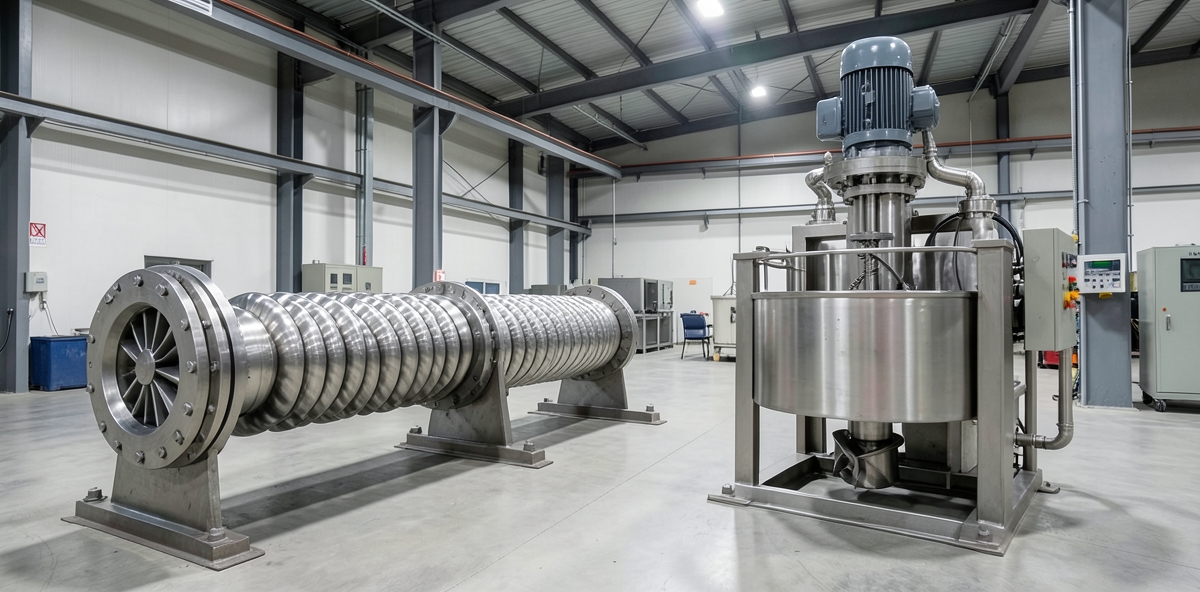
Static vs Dynamic Mixer
2024-05-18 · 9 min read · Selection Framework

Static Mixer vs Dynamic Mixer: Which Is Right for Your Process?

The fundamental engineering difference (no moving parts versus motor-driven agitator), energy consumption comparison (typical 0.5 kW for a 50 m³/h static mixer versus 11-22 kW for an equivalent dynamic mixer), maintenance requirements, mixing efficiency, capital and operating cost, and the decision framework for choosing between them. Covers the cases where dynamic mixing is genuinely necessary (high-shear, variable viscosity, batch reactors) and the cases where static is the clearly correct choice (continuous, low maintenance, hazardous or sterile environments).

Have a topic you'd like us to cover? We publish new technical content monthly. Suggest a topic →

15+
Years Experience
500+
Projects Delivered
6
Industries Served
5
Mixer Models
24h
Response Time