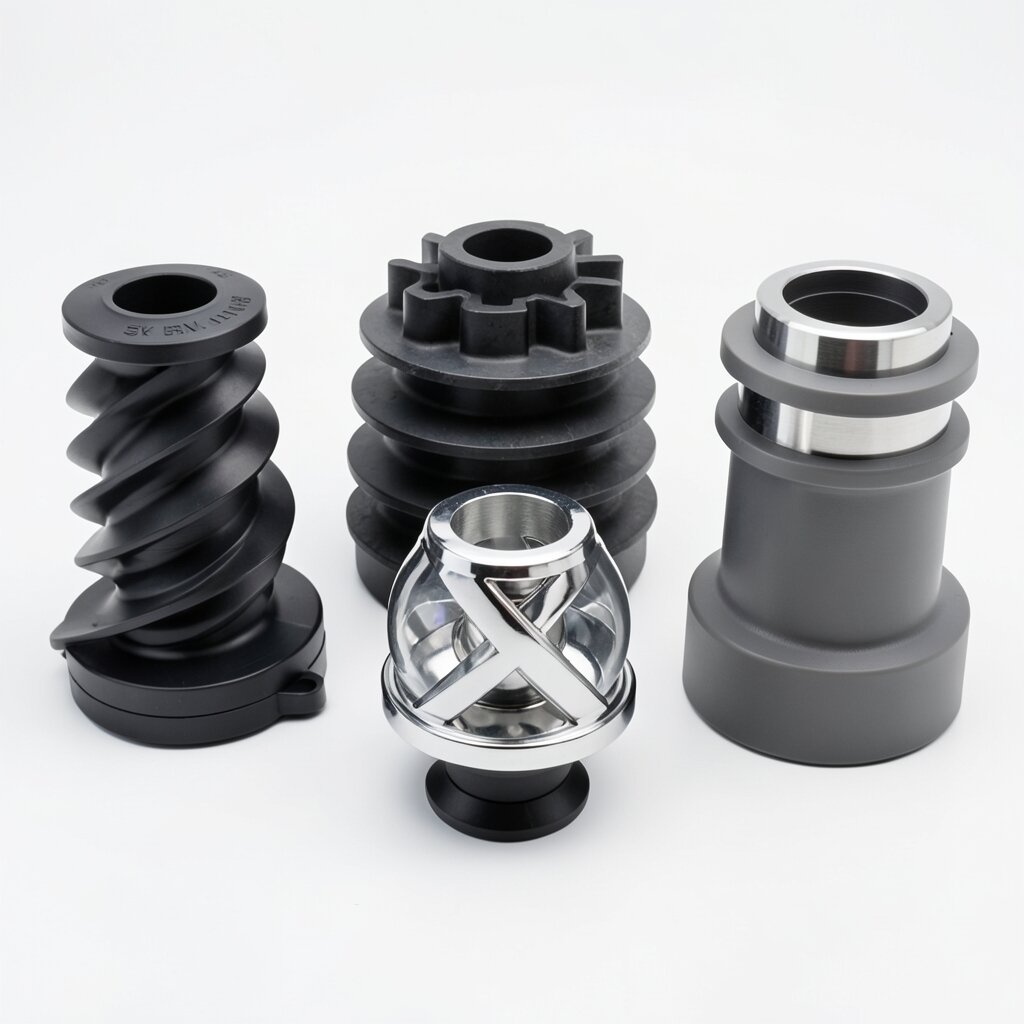
Transparent Static Mixer
Visual In-Line Mixing Element
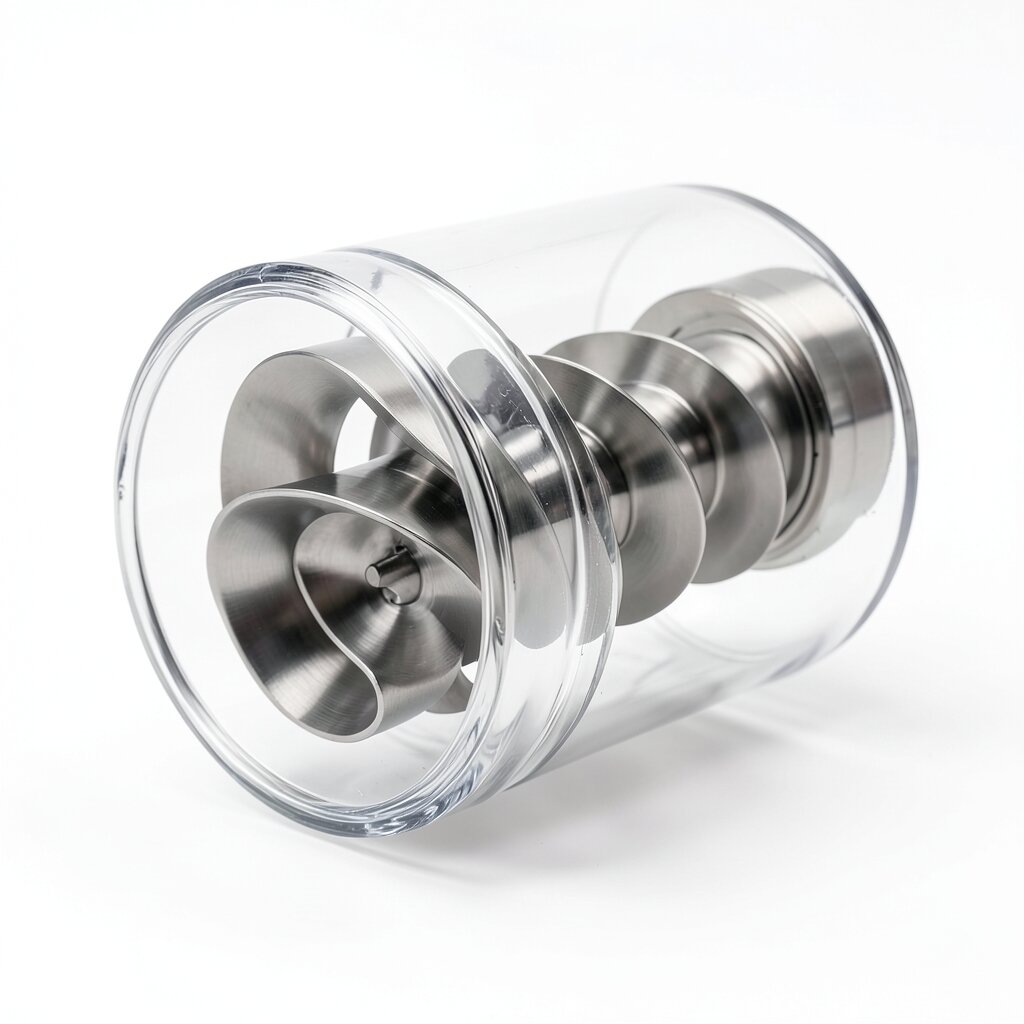
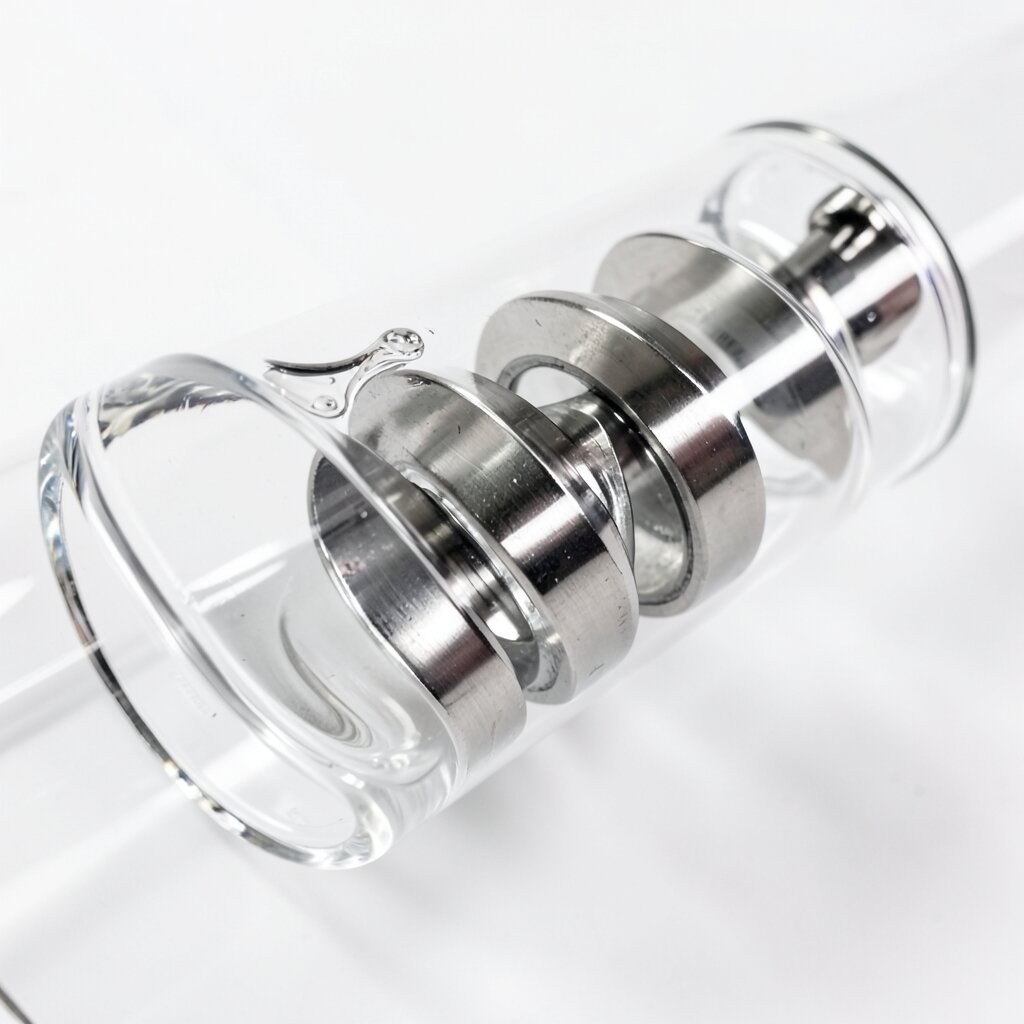
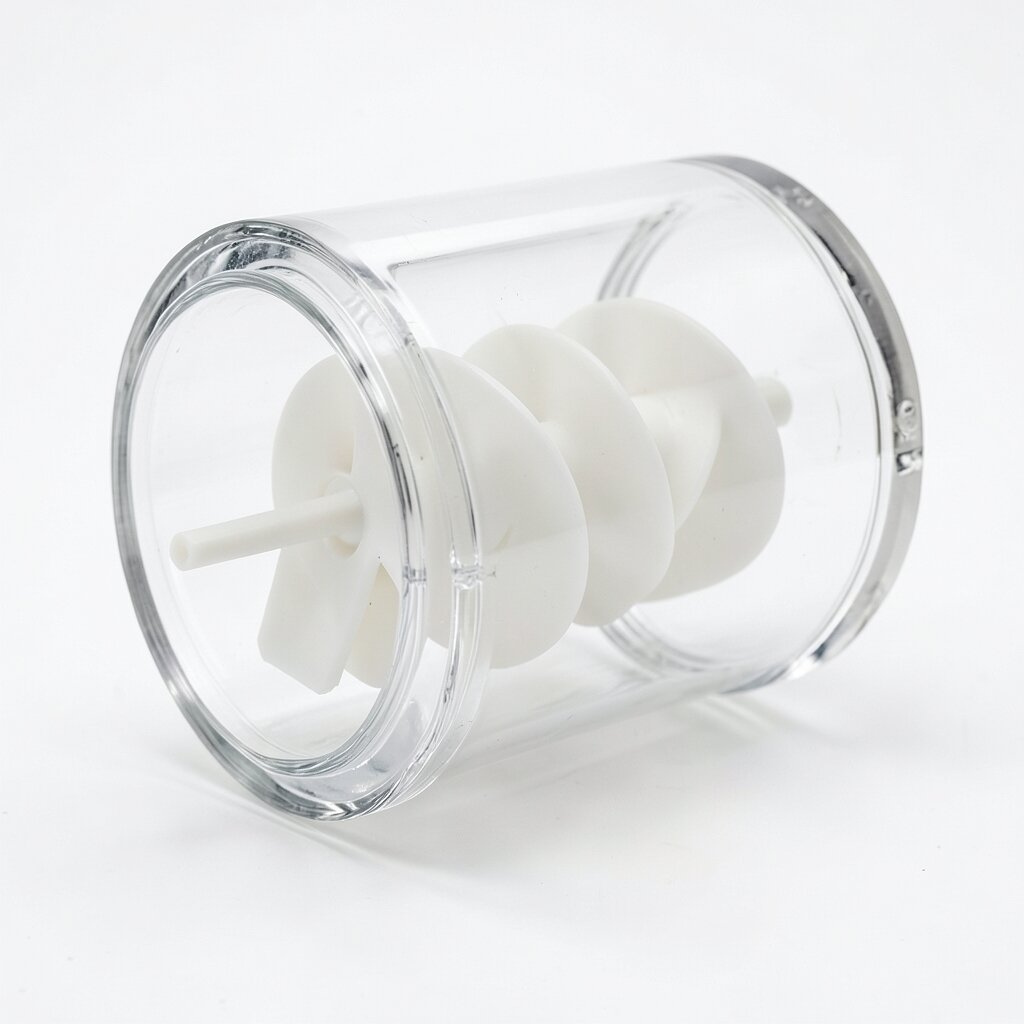
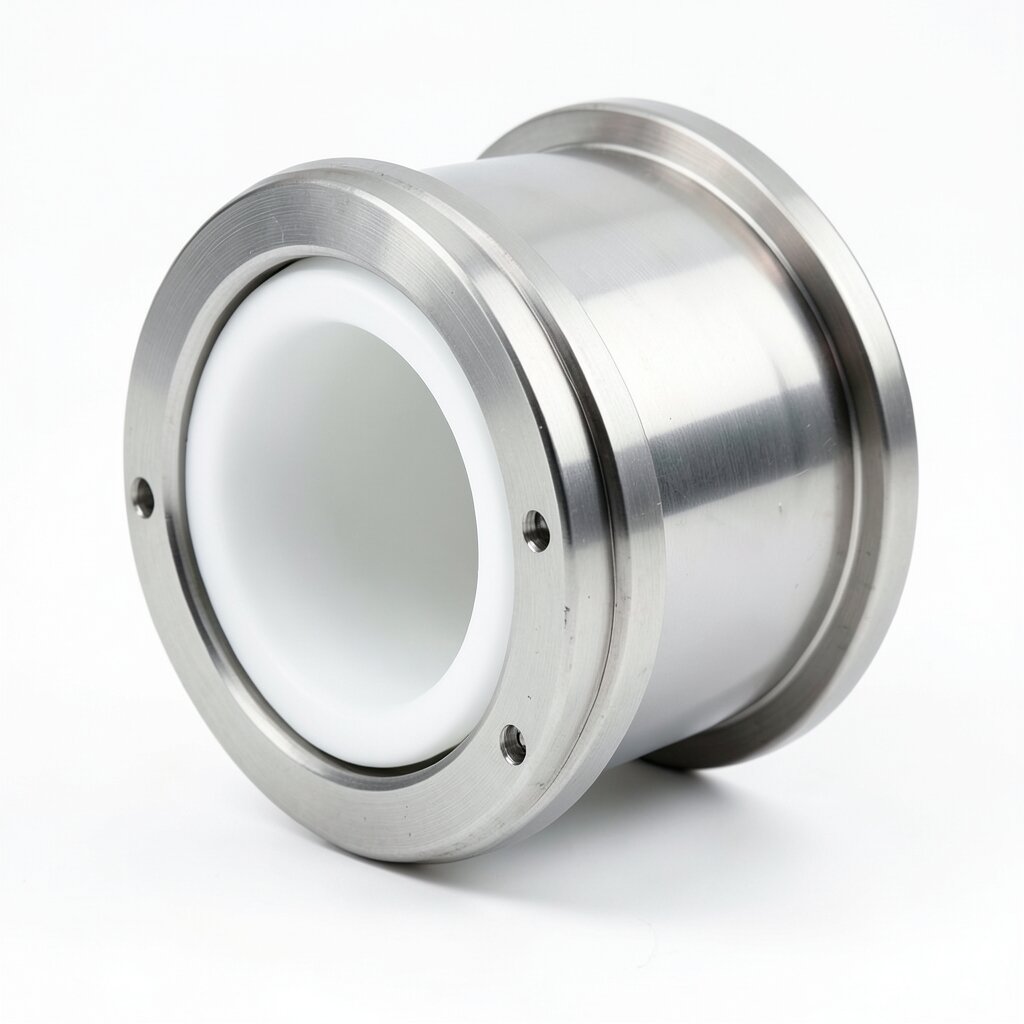
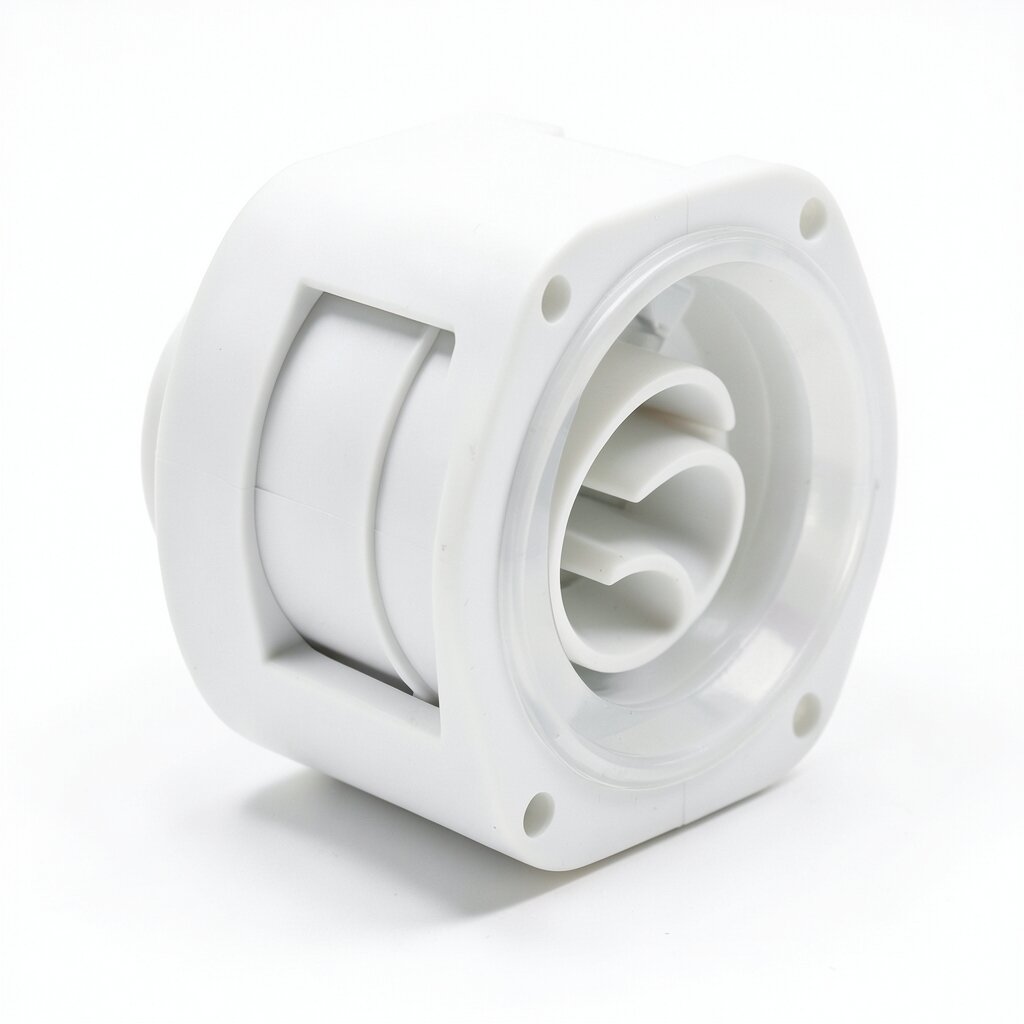
Clear-housing in-line mixing element for direct visual observation of flow, mixing progression, and residence-time distribution. Designed for laboratory R&D, pilot-plant studies, and chemical-engineering teaching laboratories.
Product Overview
The ywmixing transparent static mixer is a sight-glass-style in-line mixing element built from a transparent polymer tube with internal mixing elements of polypropylene (PP), polyvinylidene fluoride (PVDF), or PTFE. The transparent body lets the engineer observe the actual fluid path through the mixer in real time — a capability that no metallic or opaque plastic static mixer can offer. Where standard stainless mixers force the user to infer mixing performance from downstream measurements, the transparent unit lets the operator watch the radial mixing front develop plate by plate, see color blend, and identify dead zones, channeling, or incomplete dispersion immediately.
The mixer is built around an 180° left-hand / right-hand helical element set — the same internal geometry used in our SK-type mixer — which is why it is often used as a teaching aid in chemical-engineering departments. Mixing performance is identical to the opaque SK unit of the same DN, but the operator can now correlate the visible color front with the calculated coefficient of variation. This makes the transparent mixer a valuable diagnostic tool during process development, where a single visual test can confirm whether a planned L/D ratio will deliver the σX target for a new chemistry.
Three housing polymers are available — cast PMMA (acrylic), polycarbonate (PC), and polysulfone (PSU) — each with a different balance of optical clarity, impact strength, and chemical resistance. Selection depends on the service temperature, the chemistry, and the optical requirements. All three materials exceed 90% light transmission across the visible spectrum, so the operator can see the flow clearly under normal laboratory lighting or with a backlight placed behind the mixer for high-speed video recording.
Material Properties
The transparent housing polymer is the defining selection parameter. Cast PMMA (acrylic) is the default for general-purpose laboratory service. Its light transmission is 92% (highest of the three), its density is 1.18 g/cm³, and its tensile strength is 70 MPa. It is rated for continuous service from -10°C to +60°C, with a Vicat softening point of 105°C. The principal limitation is chemical resistance: PMMA is attacked by acetone, MEK, esters, aromatic and chlorinated hydrocarbons, and concentrated mineral acids above 30%. For water-based chemistries and dilute organics, however, PMMA is fully adequate and the most cost-effective option.
Polycarbonate (PC) offers roughly 250× the impact strength of PMMA (notched Izod 600-850 J/m versus 20 J/m) and a higher service temperature ceiling of 80°C continuous, 100°C short-term. Light transmission is 88-90%, slightly lower than PMMA but still excellent for visual work. Chemical resistance is similar to PMMA against polar solvents; PC is also attacked by ketones, esters, and chlorinated solvents. The principal advantage of PC is mechanical — it tolerates the rough handling of a student laboratory and the thermal-shock events of intermittent hot/cold flushing.
Polysulfone (PSU) is the chemically resistant option. PSU resists dilute mineral acids (HCl up to 10%, H₂SO₄ up to 20%, HNO₃ up to 10%), most bases, surfactants, and hot water/steam up to 100°C continuous (150°C short-term). It is amber-tinted, so light transmission drops to about 70-75% — still adequate for visual observation, and a useful filter for UV-protective work. PSU is attacked by polar organic solvents (DMF, DMSO, ketones, chlorinated solvents), so it is not a universal substitute for PMMA in organic-chemistry labs.
The internal mixing elements are molded from PP (default) or PVDF (for higher-temperature or more aggressive service). PP is rated to 90°C continuous, has good resistance to acids, alkalis, and salts, and is FDA-compliant for food contact. PVDF extends the service envelope to 140°C and adds resistance to halogens, strong acids (including 50% H₂SO₄ and 35% HCl), and most organic solvents except ketones and strong bases. Element count is 4 to 8, same as the opaque SK mixer, with element twist angle selectable at 180° or 270°.
Construction Design
The transparent mixer body is manufactured in two configurations depending on diameter. DN15-DN50 units are one-piece extruded tubes with end caps bonded or compression-fitted. The internal element is inserted as a single cartridge, so disassembly for cleaning is a matter of removing the end caps. DN65-DN200 units are flanged assemblies: a transparent central section (typically 200-400 mm long depending on element count) is bolted between two flanged end fittings. The end fittings are either PVDF for chemical service or 316L stainless for mechanical strength, and they carry the pressure load while the transparent section remains in pure hoop stress.
The flanged design allows the transparent section to be replaced in under ten minutes if it is scratched or chemically attacked — a major cost advantage compared to one-piece designs, which must be scrapped as a whole. End connections are available in flange (ANSI 150, DIN PN10, JIS 10K), NPT or BSP thread (DN15-DN50 only), and Tri-Clamp (DN15-DN100) for sanitary service. The Tri-Clamp option is the most common for pharmaceutical and food R&D work because it allows the entire mixer to be autoclaved at 121°C with the rest of the skid.
End caps are equipped with O-ring grooves; the standard elastomer is EPDM (water, dilute bases), with FKM and FFKM (Kalrez) available for solvent and high-temperature service. The O-ring is the only consumable in the mixer and is specified for 50,000 cycle operation at the rated temperature. Each mixer ships with a test certificate documenting hydrostatic test (1.5× design pressure held for 30 minutes) and a clarity inspection report.
Technical Specifications
| Parameter | Value |
|---|---|
| Housing Material Options | Cast PMMA (acrylic), Polycarbonate (PC), Polysulfone (PSU) |
| Internal Element Material | PP (standard) or PVDF (chemical / high-temp upgrade) |
| Light Transmission | 92% (PMMA) / 88-90% (PC) / 70-75% (PSU) |
| Internal Structure | 180° / 270° left-right helical twist elements (4-8 elements) |
| Mixing Precision | Coefficient of variation σX ≤ 3-5% (Re > 10,000) |
| Operating Temperature | -10°C to +60°C (PMMA) / -20°C to +80°C (PC) / -40°C to +100°C (PSU) |
| Design Pressure | 6 bar at 23°C (PMMA, PC) / 6 bar at 100°C (PSU) |
| Test Pressure | 9 bar (1.5× design) held 30 minutes |
| Connection Types | Flange (ANSI 150, DIN PN10, JIS 10K), NPT/BSP thread, Tri-Clamp |
| Pipe Diameter Range | DN15 to DN200 (custom up to DN300) |
| Flow Rate Range | 0.05 to 80 m³/h (model and pipe-size dependent) |
| Viscosity Range | ≤ 1,000 cP (water-like to light oil) |
| End-Cap Material | PVDF or 316L stainless (DN65+ flanged assemblies) |
| O-Ring Material | EPDM (standard), FKM, FFKM (Kalrez) |
Frequently Asked Questions
Three transparent polymers are available: cast PMMA (acrylic) for general use up to 60°C and 4 bar; polycarbonate (PC) for higher impact resistance up to 80°C; and polysulfone (PSU) for chemical resistance up to 100°C. All three offer >90% light transmission for clear process observation.
Standard transparent mixers are rated for 6 bar at 23°C, with a 4:1 design safety factor. For higher pressures, a transparent acrylic section can be flanged to metallic end fittings, which then carry the mechanical load while the acrylic section remains in compression only.
Limited compatibility. PMMA and PC are attacked by ketones, esters, aromatic hydrocarbons, and concentrated acids. PSU is resistant to dilute acids and mineral salts but is also attacked by polar organic solvents. For aggressive chemistry, use the PTFE-lined or PTFE-housing variant instead.
Standard sizes cover DN15 to DN200. For DN15-DN50 we supply a one-piece extruded tube; DN65-DN200 are flanged assemblies with a transparent central section and flanged metallic or PVDF end connectors. Custom sizes up to DN300 are available on request.
Related Products