Transparent SK Type Mixer
Clear Housing SK Helical Teaching Mixer
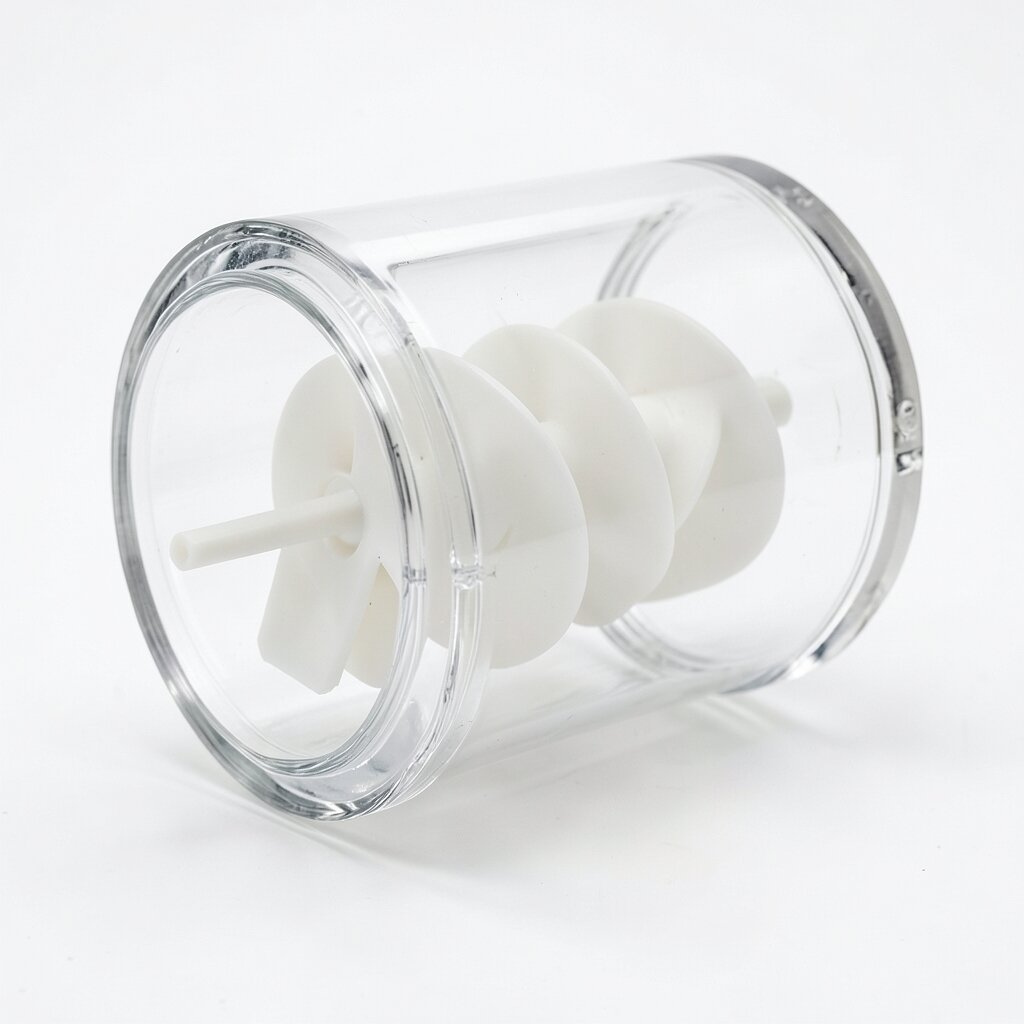
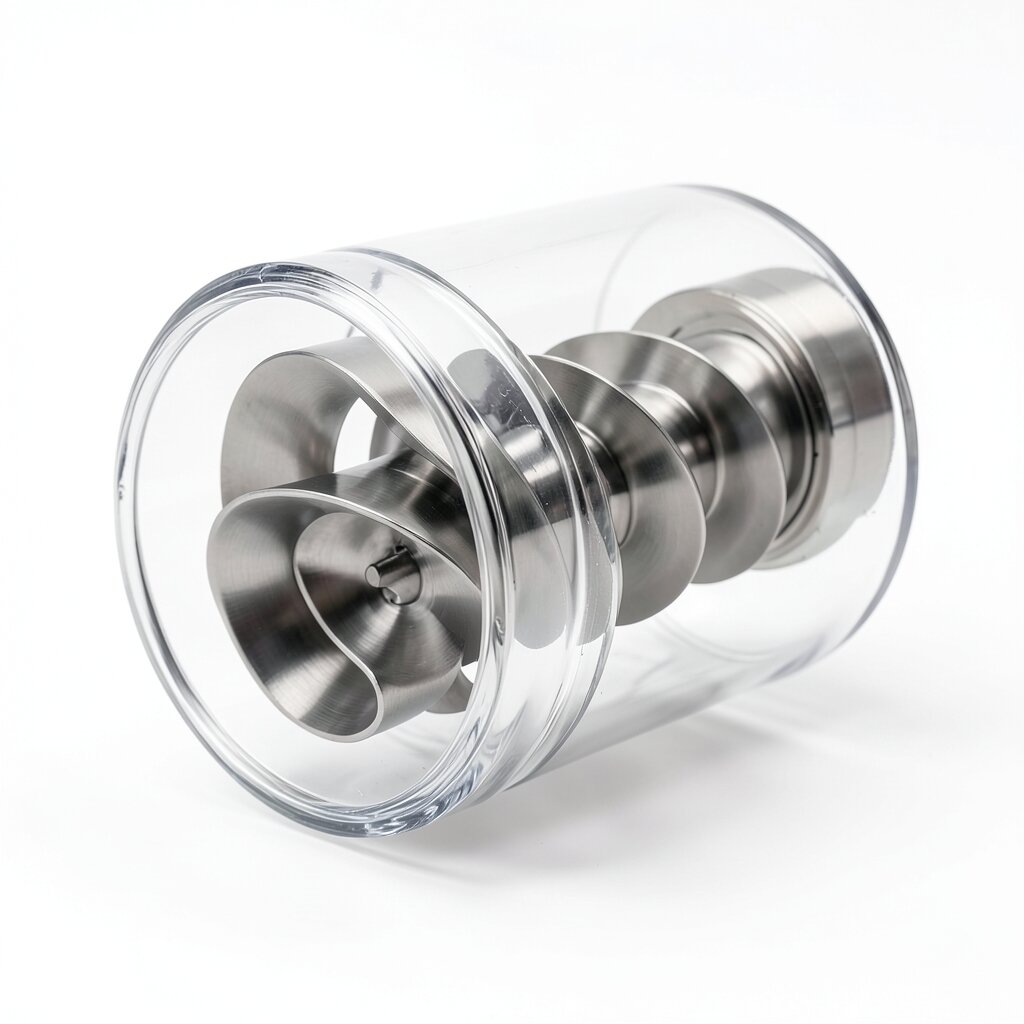
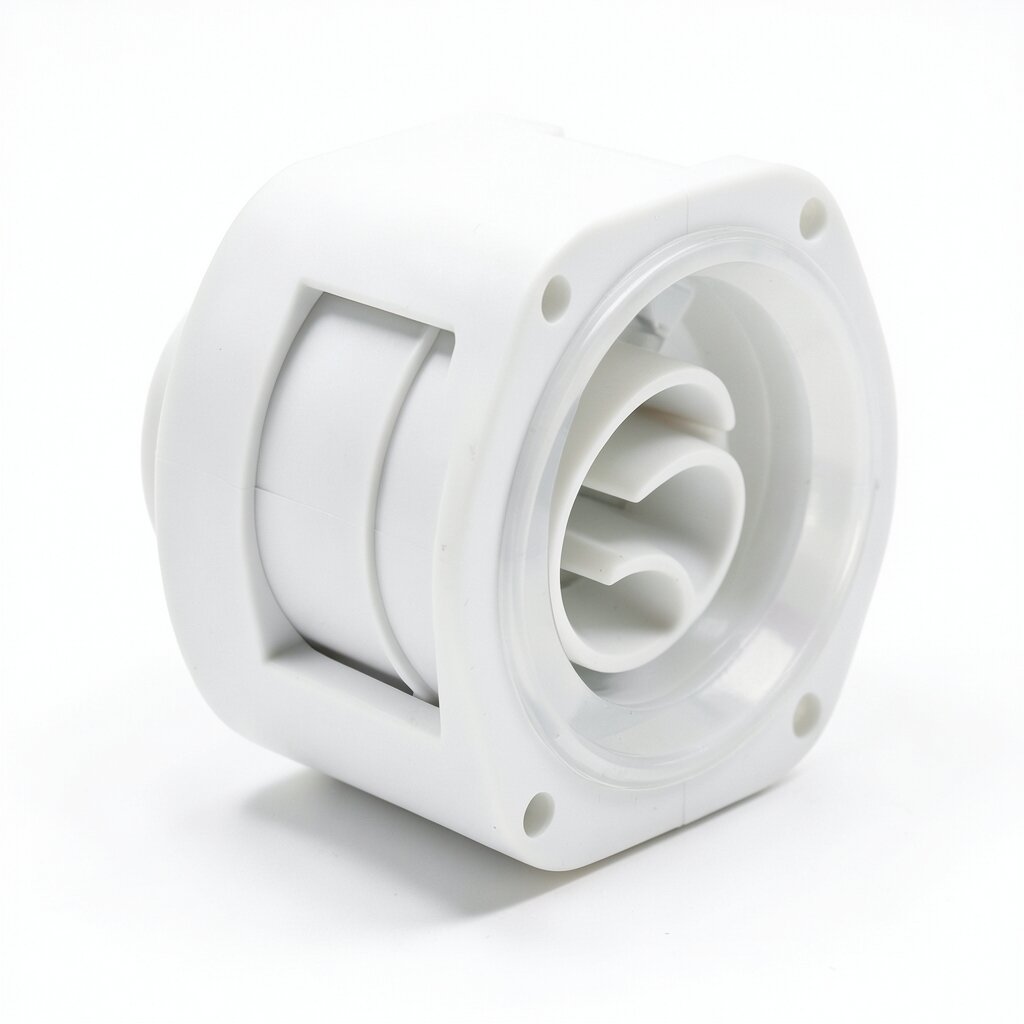
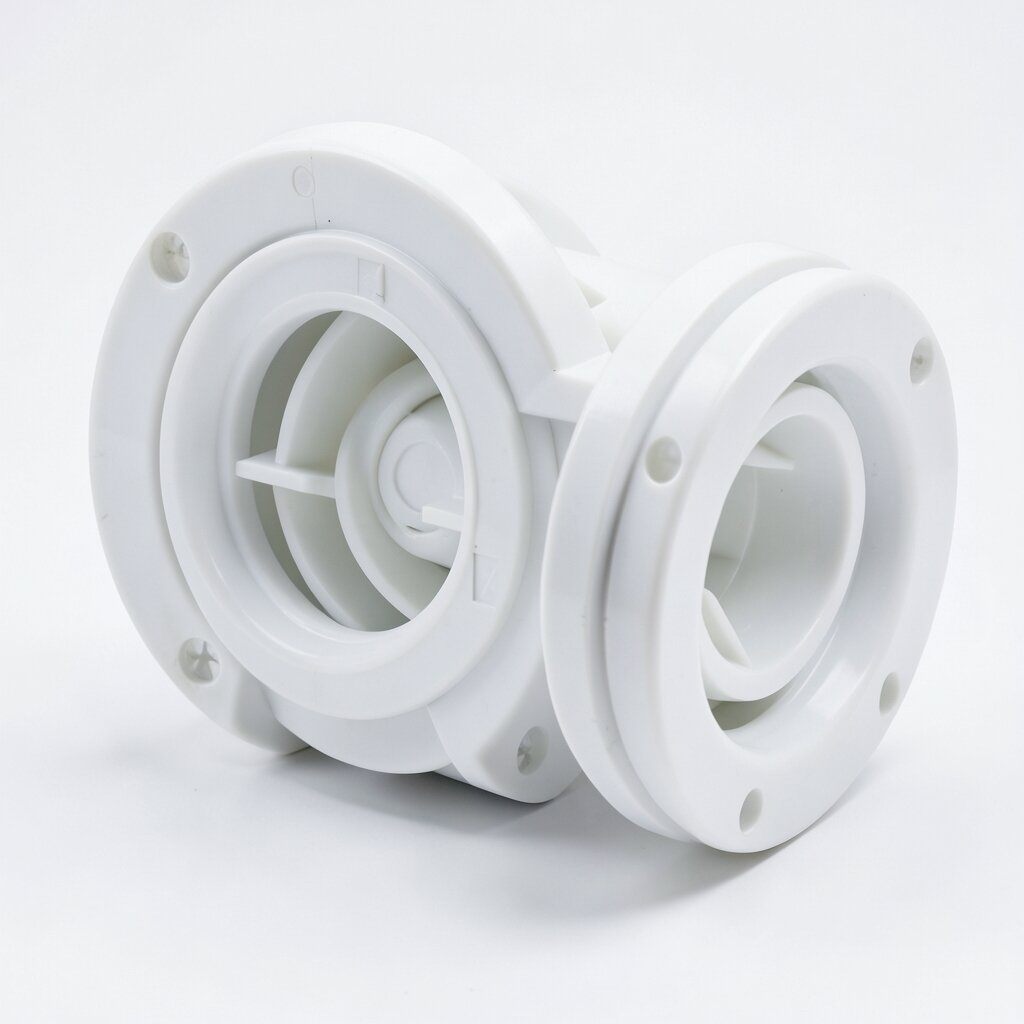
Clear-housing SK-type static mixer with PMMA, PC, or PSU tube and PP or PVDF helical elements — purpose-built for chemical-engineering teaching laboratories, R&D pilot rigs, and visual flow-demonstration service.
Product Overview
The ywmixing transparent SK type mixer is a sight-glass version of our standard SK helical-element mixer. The housing is a transparent polymer tube (PMMA, PC, or PSU) and the internal elements are 180° or 270° left-right twisted rods of PP or PVDF. The mixer is designed specifically for teaching, R&D, and process-development applications where the operator needs to see the actual mixing front as it develops through the housing — a capability that no opaque mixer (metallic or polymer) can offer.
The transparent SK is the workhorse of chemical-engineering teaching laboratories worldwide. It is used in undergraduate unit-operations courses to demonstrate residence-time distribution, in graduate reaction-engineering courses to study reactor inlet conditions, and in research labs to validate computational fluid dynamics (CFD) models of static mixers. The clear housing lets students see the color front develop element by element, which is the most intuitive way to teach the concept of mixing progression and the relationship between L/D ratio and coefficient of variation.
The mixer is supplied as a complete assembly with the transparent housing, the internal elements, and the end connections. Standard end connections include flanged (ANSI 150, DIN PN10, JIS 10K), threaded (NPT or BSP, DN15-DN50 only), and Tri-Clamp (ISO 2852, DIN 32676). For teaching applications, the mixer is typically supplied with a mounting frame that holds the mixer vertically or horizontally and integrates a tracer-injection port and a downstream sampling port.
Three housing polymers are available — cast PMMA (acrylic) for general-purpose laboratory service, polycarbonate (PC) for higher impact resistance and higher temperature, and polysulfone (PSU) for chemical resistance. All three materials exceed 90% light transmission (PSU is amber-tinted, so light transmission is 70-75%) so the operator can see the flow clearly under normal laboratory lighting. Internal elements are PP (default) or PVDF (for higher-temperature or more aggressive service).
Material Properties
The housing polymer is the defining selection parameter. Cast PMMA (acrylic) is the default for general-purpose teaching and R&D service. Its light transmission is 92% (highest of the three), its density is 1.18 g/cm³, and its tensile strength is 70 MPa. It is rated for continuous service from -10°C to +60°C, with a Vicat softening point of 105°C. PMMA is the lowest-cost option and is widely used in undergraduate teaching labs. The principal limitation is chemical resistance: PMMA is attacked by acetone, MEK, esters, aromatic and chlorinated hydrocarbons, and concentrated mineral acids above 30%.
Polycarbonate (PC) offers roughly 250× the impact strength of PMMA and a higher service temperature ceiling of 80°C continuous, 100°C short-term. Light transmission is 88-90%, slightly lower than PMMA but still excellent for visual work. PC is the standard selection for graduate research labs and industrial R&D where the mixer will see more demanding service (hot water, dilute cleaning solutions, occasional bumps). Chemical resistance is similar to PMMA against polar solvents; PC is also attacked by ketones, esters, and chlorinated solvents.
Polysulfone (PSU) is the chemically resistant option. PSU resists dilute mineral acids (HCl up to 10%, H₂SO₄ up to 20%, HNO₃ up to 10%), most bases, surfactants, and hot water/steam up to 100°C continuous (150°C short-term). It is amber-tinted, so light transmission drops to about 70-75% — still adequate for visual observation. PSU is the standard selection for pharmaceutical API process development where the mixer must tolerate the cleaning solutions used between batches. PSU is also USP Class VI compliant, which is required for pharmaceutical and biomedical applications.
The internal mixing elements are molded from PP (default) or PVDF (for higher-temperature or more aggressive service). PP is rated to 90°C continuous, has good resistance to acids, alkalis, and salts, and is FDA-compliant for food contact. PVDF extends the service envelope to 140°C and adds resistance to halogens, strong acids, and most organic solvents except ketones and strong bases. Element count is 4 to 8, with element twist angle selectable at 180° (default) or 270° (for higher-viscosity media or tighter coefficient of variation).
The end-cap material is matched to the housing polymer: PMMA end caps for PMMA housing, PSU end caps for PSU housing. For higher-pressure service (above 4 bar), the end caps are upgraded to PVDF or 316L stainless to carry the mechanical load while the transparent section remains in hoop stress only. The transparent section is mechanically clamped between the two end caps and can be replaced in under 10 minutes if it is scratched or chemically attacked.
Construction Design
The transparent SK is built around a one-piece or flanged transparent housing. For DN15-DN50, the housing is a single extruded tube with bonded end caps; for DN65-DN100, the housing is a flanged assembly with a transparent central section bolted between two flanged end fittings. The end fittings are typically PVDF for chemical service or 316L stainless for higher-pressure service, and they carry the pressure load while the transparent section remains in pure hoop stress.
The internal element set is the standard SK helical geometry: 4-8 elements of 180° (default) or 270° (option) twist, alternating left-right. Element rod diameter is typically 0.10-0.15 × DN, and the L/D ratio of the housing is 6-10 depending on the target σX. Elements are mechanically fastened to the housing at each end by element holders that are bonded (PMMA, PSU) or welded (PP, PVDF elements) to the housing wall.
End connections are available in three styles. Flanged (ANSI 150, DIN PN10, JIS 10K) is the most common for laboratory service. Flanges are polymer (PP, PVDF) or 316L stainless with PTFE-encapsulated O-rings. Threaded (NPT or BSP) is available for DN15-DN50 in PP or PVDF for instrument-air and low-pressure water service. Tri-clamp (ISO 2852, DIN 32676) is the standard for pharmaceutical and food-service installations, with sanitary ferrules machined from PP or PVDF.
The O-ring groove is machined into each end cap, and the standard elastomer is EPDM (water, dilute bases), with FKM and FFKM (Kalrez) available for solvent and high-temperature service. The O-ring is the only consumable in the mixer and is specified for 50,000 cycle operation at the rated temperature. Each mixer ships with a test certificate documenting hydrostatic test (1.5× design pressure held for 30 minutes) and a clarity inspection report.
For teaching applications, the mixer is typically supplied with an optional mounting frame. The frame is a powder-coated steel structure that holds the mixer vertically or horizontally, integrates a tracer-injection port upstream and a conductivity probe port downstream, and provides a backlight mounting point for high-speed video recording of the mixing front. The frame is optional and can be supplied as a separate item.
Technical Specifications
| Parameter | Value |
|---|---|
| Housing Material Options | Cast PMMA (acrylic), Polycarbonate (PC), Polysulfone (PSU) |
| Internal Element Material | PP (standard) or PVDF (chemical / high-temp upgrade) |
| Light Transmission | 92% (PMMA) / 88-90% (PC) / 70-75% (PSU) |
| Internal Structure | SK helical elements — 180° / 270° left-right twist (4-8 elements) |
| Mixing Precision | Coefficient of variation σX ≤ 3-5% (Re > 10,000) |
| Operating Temperature | -10°C to +60°C (PMMA) / -20°C to +80°C (PC) / -40°C to +100°C (PSU) |
| Design Pressure | 6 bar at 23°C (PMMA, PC) / 6 bar at 100°C (PSU) |
| Test Pressure | 9 bar (1.5× design) held 30 minutes |
| Connection Types | Flange (ANSI 150, DIN PN10, JIS 10K), NPT/BSP thread, Tri-Clamp |
| Pipe Diameter Range | DN15 to DN100 |
| Flow Rate Range | 0.05 to 30 m³/h |
| Viscosity Range | ≤ 1,000 cP |
| End-Cap Material | PMMA, PSU (matched to housing), PVDF or 316L stainless (high-pressure upgrade) |
| O-Ring Material | EPDM (standard), FKM, FFKM (Kalrez) |
| USP Class VI | Available for PSU housing + PVDF elements |
Frequently Asked Questions
Both products use the same clear-housing construction with PMMA, PC, or PSU tube and PP or PVDF internal elements. The transparent SK is built specifically for the SK helical-element geometry with 180° or 270° left-right twist elements — the same geometry as our standard SK-type mixer. The standard transparent mixer can be supplied with any element geometry (helical, cross-bar, plate). For most teaching and R&D applications, the transparent SK is the standard selection.
The transparent SK is rated for media up to 1,000 cP kinematic viscosity. Above this threshold, the helical elements create excessive pressure drop and the visual observation of the mixing front becomes difficult (the front is no longer a sharp color boundary). For higher-viscosity service, use the standard SK-type with stainless or polymer housing.
Yes. PSU housing with PVDF elements is the standard selection for pharmaceutical API process development. The PSU material is USP Class VI compliant and tolerates the dilute acid and base cleaning solutions used between batches. Tri-clamp end connections are available for sanitary service. The visual observation of the mixing front allows the formulator to optimize the L/D ratio for the new chemistry in minutes.
Standard sizes cover DN15 to DN100. Above DN100 the wall thickness required for pressure containment makes the transparent section impractical, and the visual observation is less informative (the operator can no longer see the full cross-section clearly). For larger diameters, the standard SK-type with stainless or polymer housing is the appropriate selection. The transparent SK is most common in DN15-DN50 for teaching and R&D applications.
Related Products