Standard Sanitary SS Mixer
General-Purpose Pharma/Food Mixer
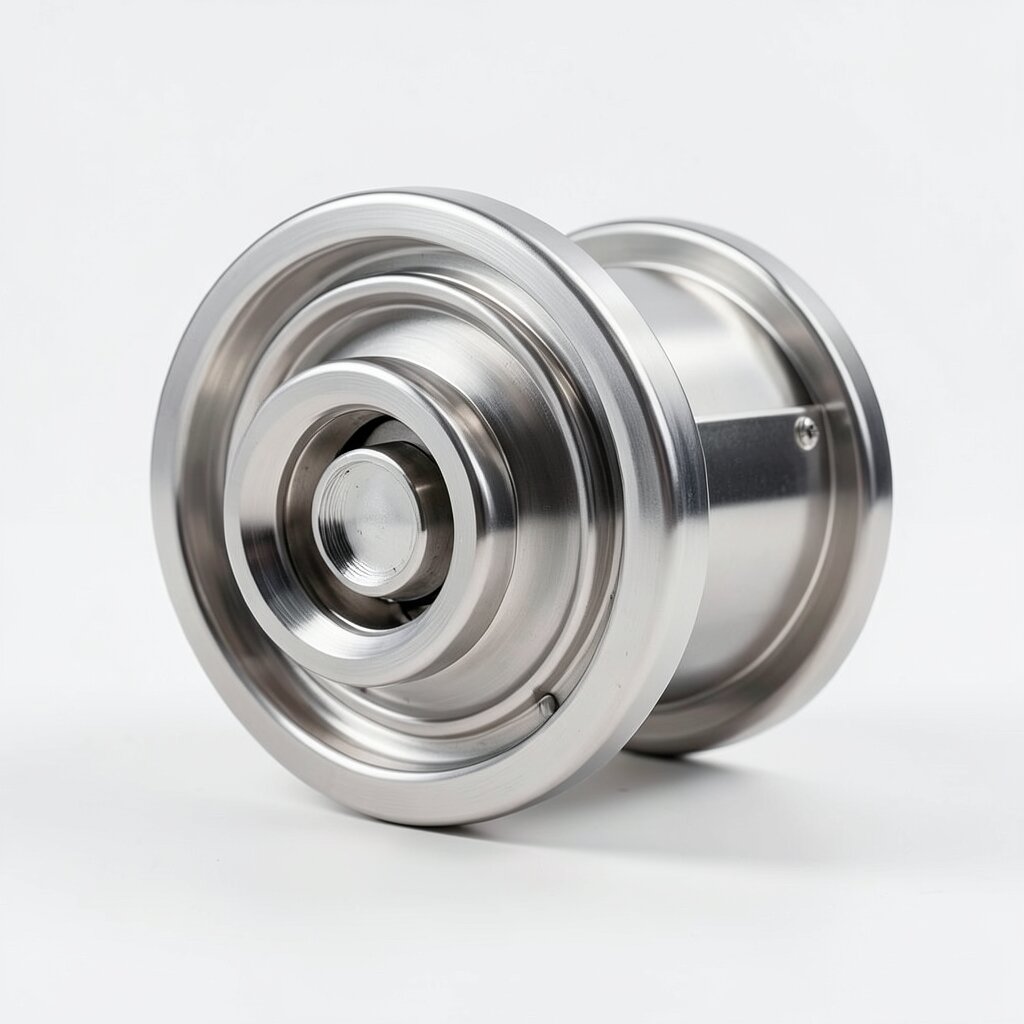
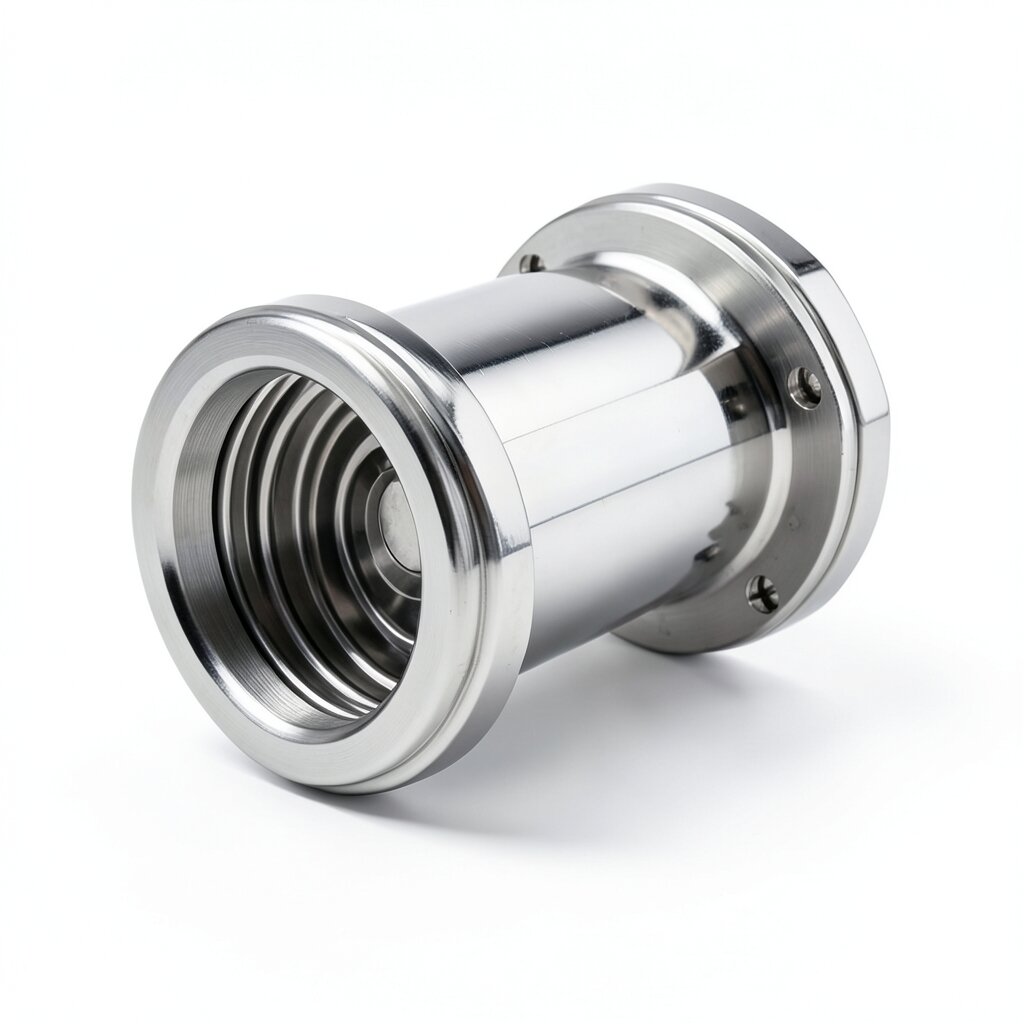
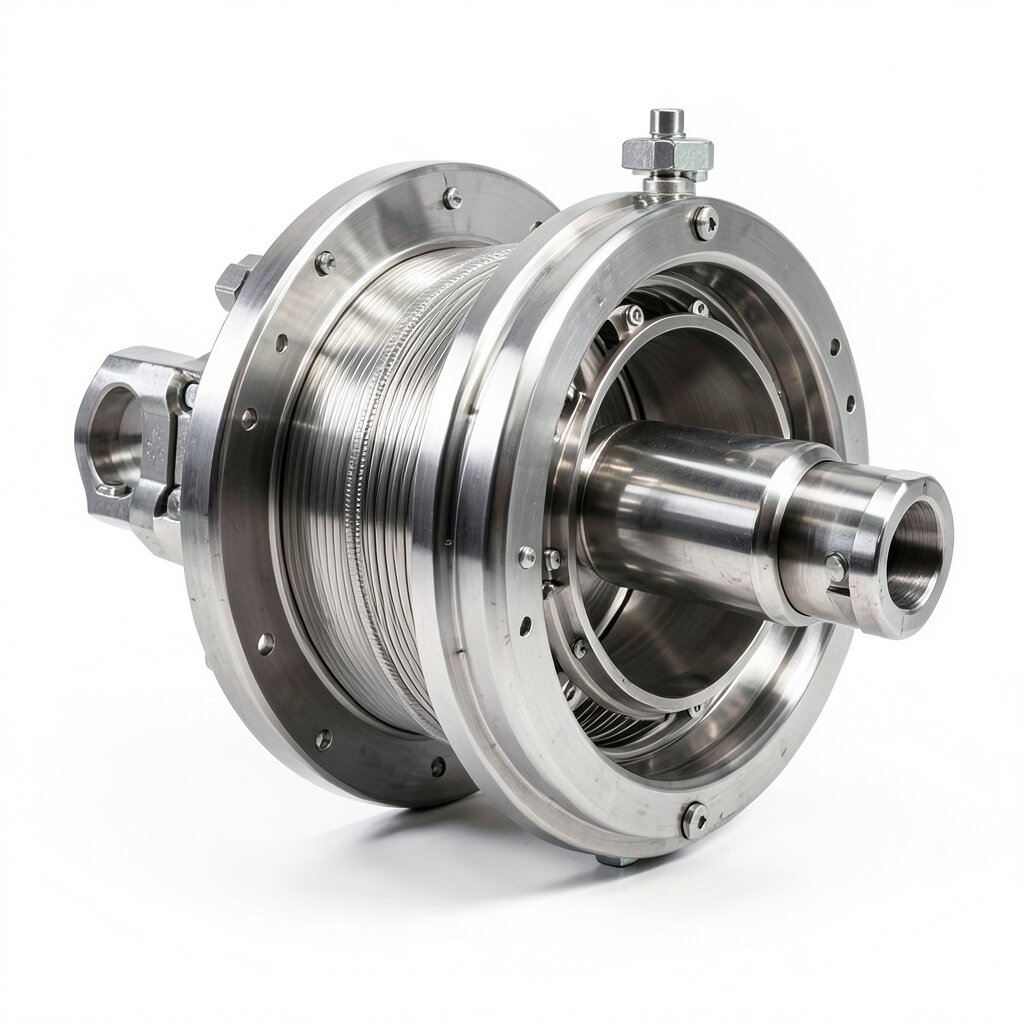
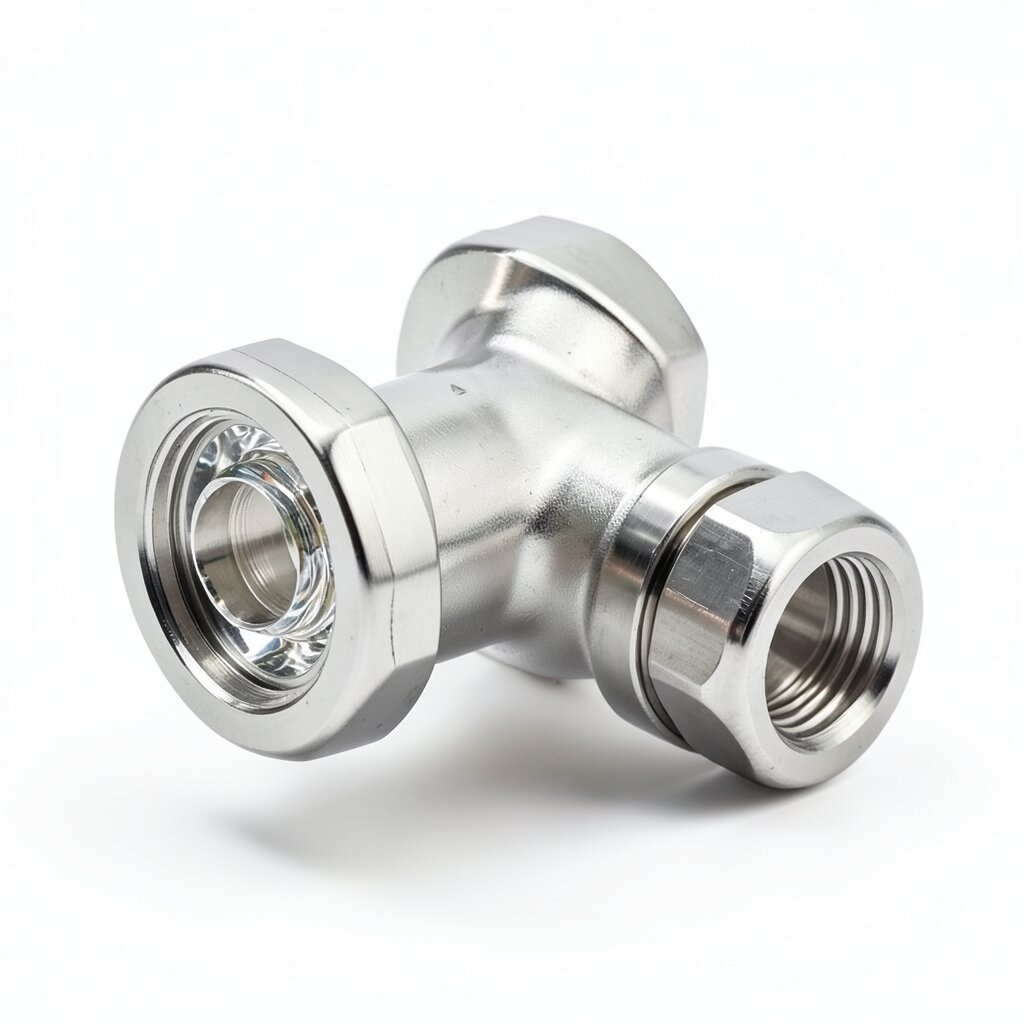
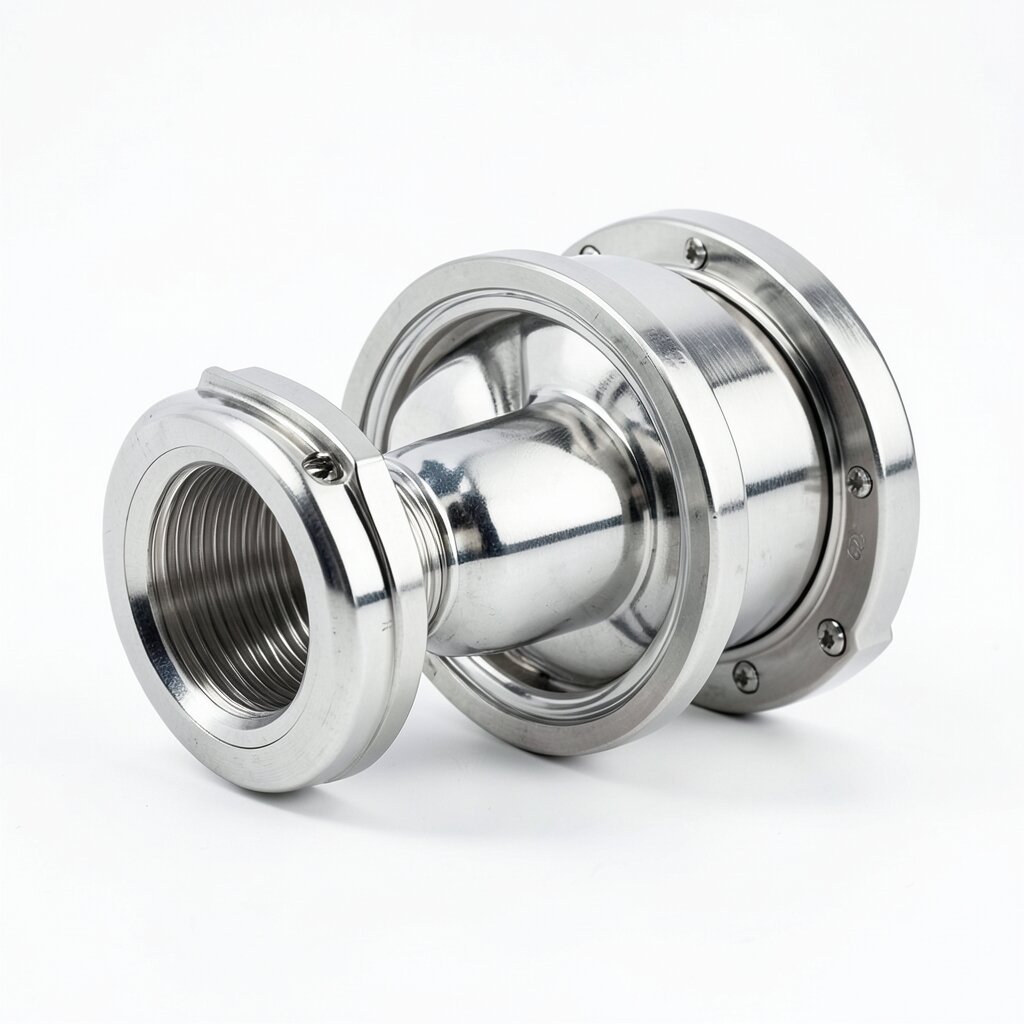
General-purpose sanitary inline mixer for DN25-DN150 service — the workhorse of pharmaceutical, biotech, dairy, and food processing lines where validated CIP/SIP cleaning and 3-A / EHEDG hygienic compliance are required.
Product Overview
The standard sanitary SS mixer is the most widely deployed sanitary mixer in the ywmixing range. It is built in DN25 to DN150 main-line sizes, with the same polished SS316L housing and tri-clamp ferrule ends as the other sanitary variants, but with a wider element count range (3-8 elements) and support for both SV plate and SK helical geometries. The standard version is the workhorse of pharmaceutical, biotech, dairy, and food processing lines, and is the variant we recommend when the application is "general-purpose sanitary blending in a validated CIP/SIP loop."
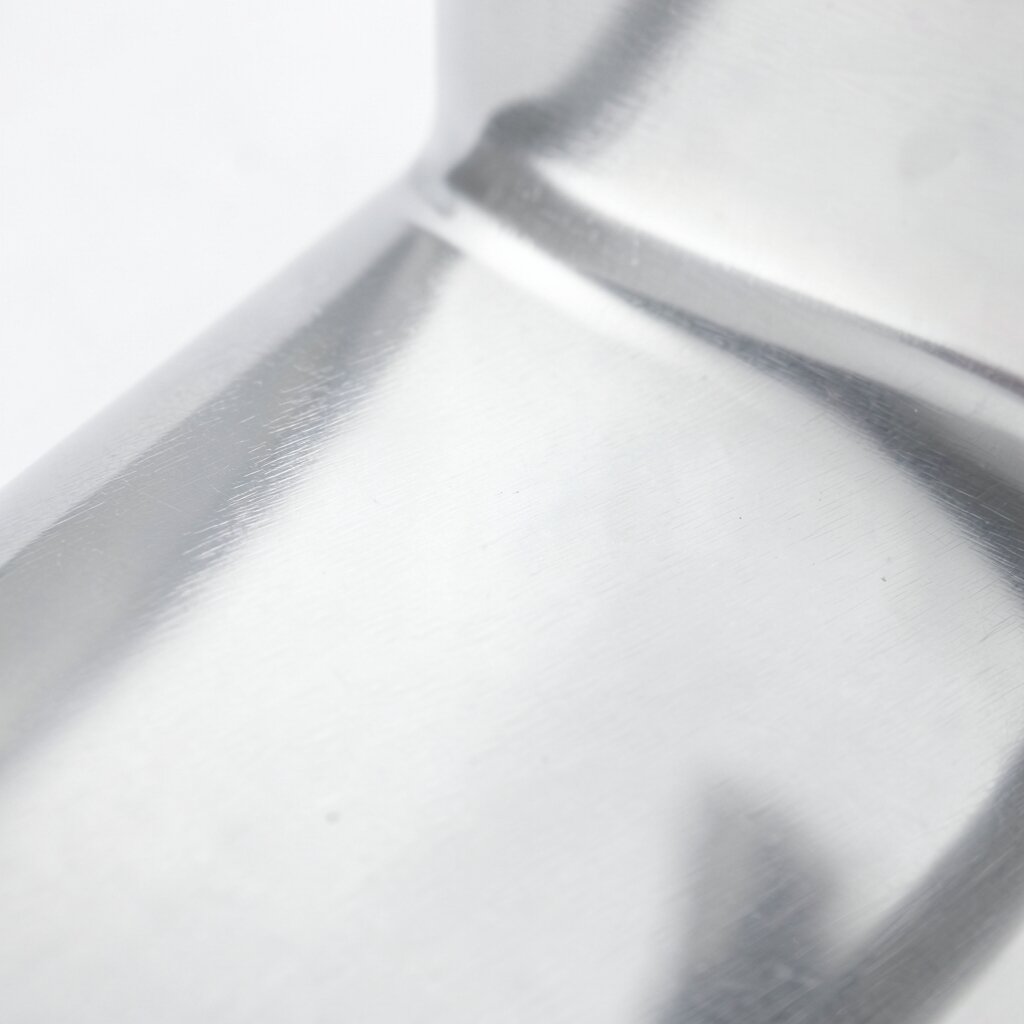
The unit is rated for the standard PN16 (10 bar) sanitary pressure class and the standard EPDM gasket temperature envelope of -10°C to +130°C. The polished surface is Ra ≤ 0.8 μm mechanical as standard, with electropolish to Ra ≤ 0.4 μm available for bioprocess and gene-therapy service. The element pack is removable for cleaning and inspection, and the housing remains in the line. The mixer supports CIP at 1.5-2.5 m/s and SIP at 121-130°C, with the validation report supplied per EHEDG and 3-A requirements.
The standard sanitary mixer is the variant most commonly specified in the OEM skid packages for pharmaceutical and food processing equipment. It is the default mixer in the buffer make-up skid, the WFI distribution loop, the CIP return loop, the ingredient blending line, and the media preparation system. The DN50-DN100 sizes account for approximately 60% of the sanitary mixers we ship, and the DN25-DN150 range accounts for approximately 90%.
Design Features
The standard sanitary housing is a single SS316L forging for DN25-DN100 sizes, and a fabricated SS316L spool for DN125-DN150. The internal bore is polished to Ra ≤ 0.8 μm as standard, with no sharp corners at the ferrule-to-bore transition. The bore is straight and unobstructed except for the element pack, which is supported by machined shoulders at each end of the housing. The element pack is retained by an internal tri-clamp ring at the upstream end and a retaining shoulder at the downstream end.
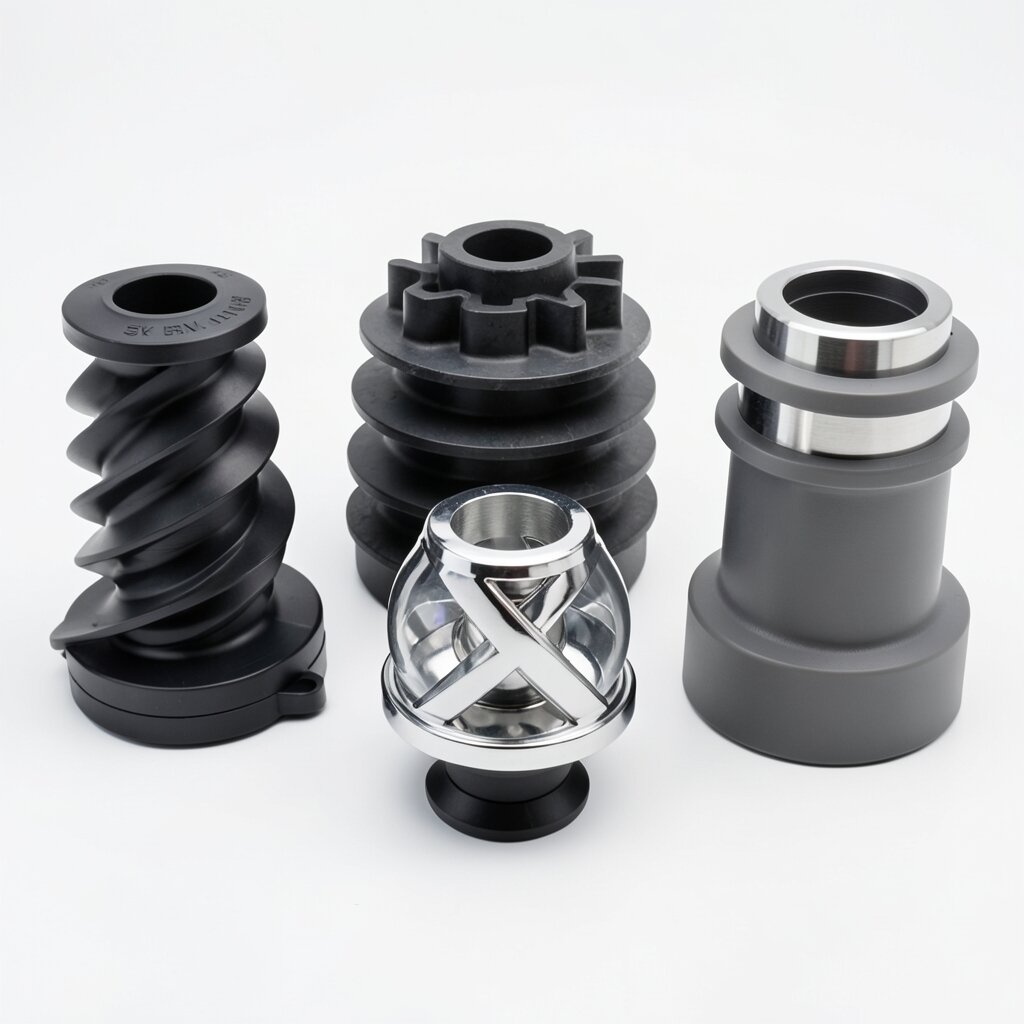
The element pack is a stand-alone assembly that slides into the housing on a precision spigot. For SV plate technology, the plates are stacked with the corrugations rotated 90° to each other, captured between two end caps, and held in compression by a small disc-spring. For SK helical technology, the elements are twisted from flat bar and welded end-to-end to form a continuous helix, with the upstream end pinned to a shoulder. Either design produces a robust, cleanable element pack that can be removed in seconds.
The housing is fully drainable: the bore is straight, the element pack is centered, and there is a 1-2° slope toward the outlet in the standard installation orientation. When the line is drained, gravity pulls all residual fluid to the outlet, and the polished surface does not retain a film. The drainability is documented in the validation report per EHEDG Doc 2 and 3-A 18-03.
All wetted materials comply with FDA 21 CFR and USP Class VI. The SS316L housing is supplied with a 3.1 MTR and a ferrite content report. The EPDM gaskets are USP Class VI tested and supplied with a lot-traceable certificate. The element pack is supplied with a 3.1 MTR for the SS316L material and a surface-finish report. The mixer is passivated per ASTM A967 and delivered in a Class 100 cleanroom double-bag.
Technical Specifications
| Parameter | Value |
|---|---|
| Connection Standard | Tri-clamp per ISO 2852 / DIN 32676 / ASME BPE / BS 4825-3 |
| Pipe Diameter Range | DN25 (1") to DN150 (6") |
| Pressure Rating | PN16 (10 bar at 25°C) for SS316L standard |
| Flow Rate Range | 0.5 m³/h (DN25 low) to 200 m³/h (DN150 high) |
| Temperature Range | -10°C to +130°C (EPDM) / -20°C to +200°C (PTFE) |
| Housing Material | SS316L (≤ 0.030% C, ASTM A479) — forged or fabricated |
| Mixing Element | SV plate (DN25-100) or SK helical (DN80-150) — SS316L |
| Element Count | 3 to 8 elements (DN-dependent) |
| Surface Finish (Wetted) | Ra ≤ 0.8 μm mechanical (default) / Ra ≤ 0.4 μm electropolish |
| Gasket | EPDM USP Class VI (default), FKM, PTFE, Silicone |
| Certifications | ASME BPE, 3-A 18-03, EHEDG Doc 8, FDA, USP Class VI |
| Packaging | Class 100 cleanroom double-bag |
Frequently Asked Questions
The standard sanitary mixer covers the full DN25-DN150 range, while the straight-through is limited to DN15-DN100. The standard version also has a wider element count range (3-8 elements) and supports both SV plate and SK helical geometries, while the straight-through is optimized for SV plate in the smaller sizes. For most applications, either version can be used; the standard is the better choice for higher flow rates and for SK helical service.
Standard sanitary mixers handle flow rates from 0.5 m³/h (DN25 at low velocity) up to 200 m³/h (DN150 at 3 m/s). Typical operating flow rates are 5-100 m³/h depending on the DN. The mixer is designed for CIP at 1.5-2.5 m/s and SIP at 121-130°C, and the pressure drop is below 0.5 bar at the maximum flow rate.
Yes. The element pack is a stand-alone assembly that slides into the housing on a precision spigot. To replace the element, the operator releases the two tri-clamps at the line connections, slides the mixer out of the line, removes the element-retaining clamps inside the housing, and lifts out the element pack. The new element pack is inserted and the mixer is reassembled. The procedure takes under 10 minutes with no special tools.
Every standard sanitary mixer is supplied with a 3.1 MTR (material test report) for the SS316L housing, a ferrite content report, a surface-finish report, a passivation certificate per ASTM A967, a USP Class VI certificate for the EPDM gaskets, and an ASME BPE compliance statement. 3-A 18-03 and EHEDG Doc 8 certificates are supplied on request. FDA 21 CFR and EU 1935/2004 compliance statements are included for food and dairy service.
Related Products