Sanitary Straight-Through Mixer
CIP Inline Mixer
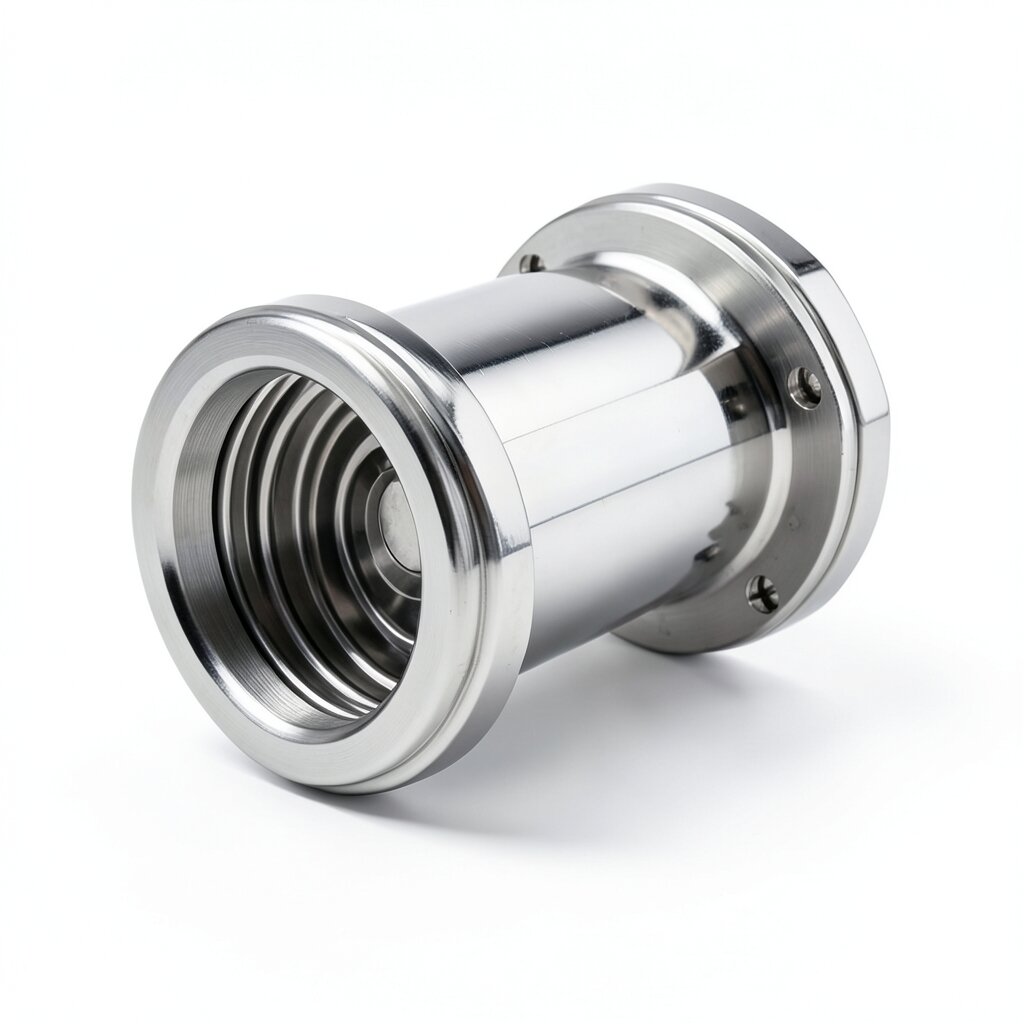
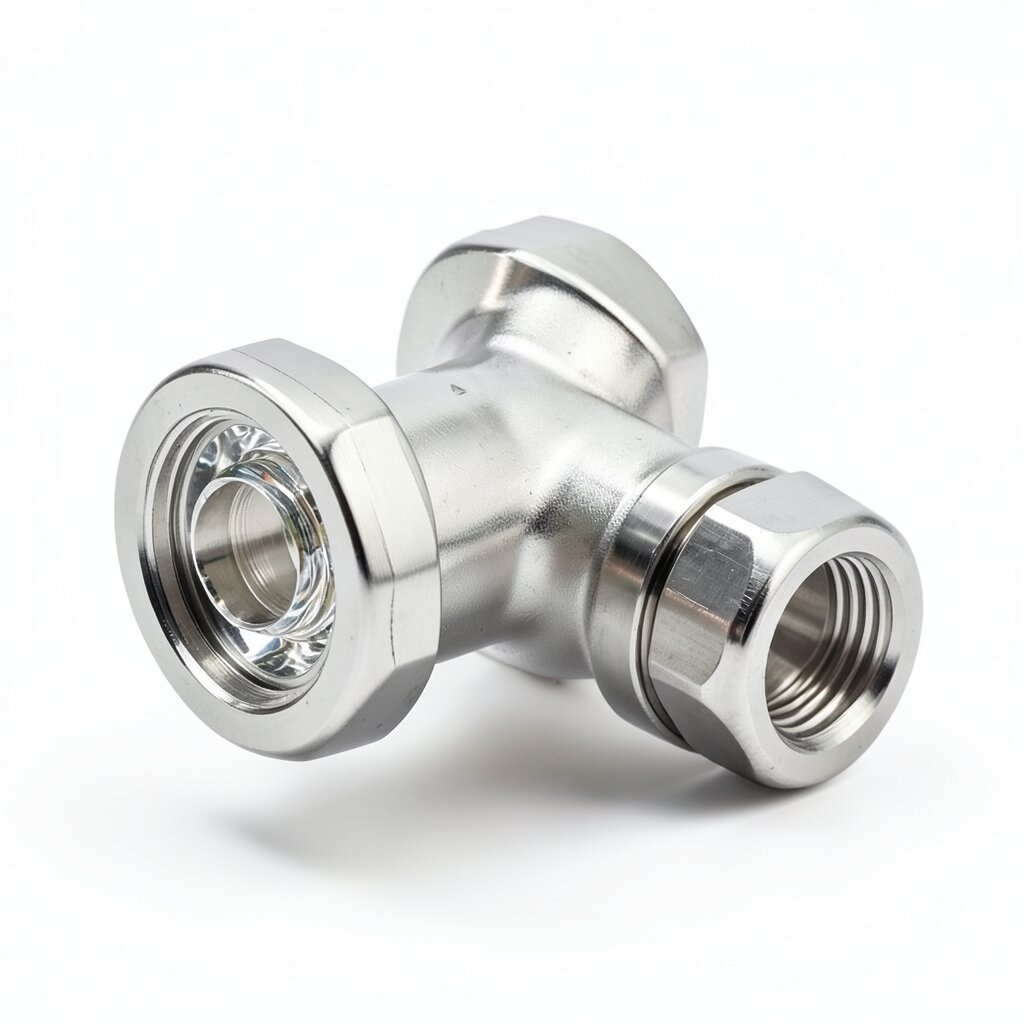
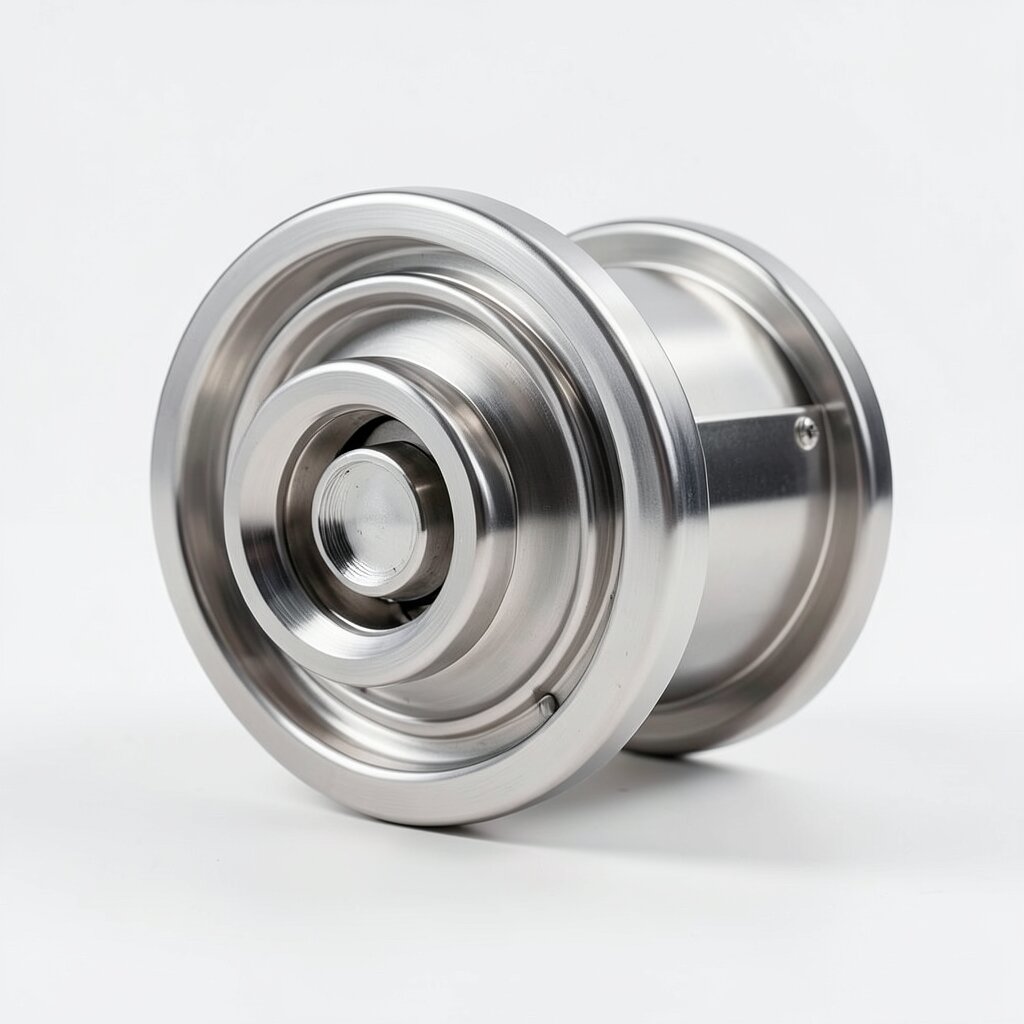
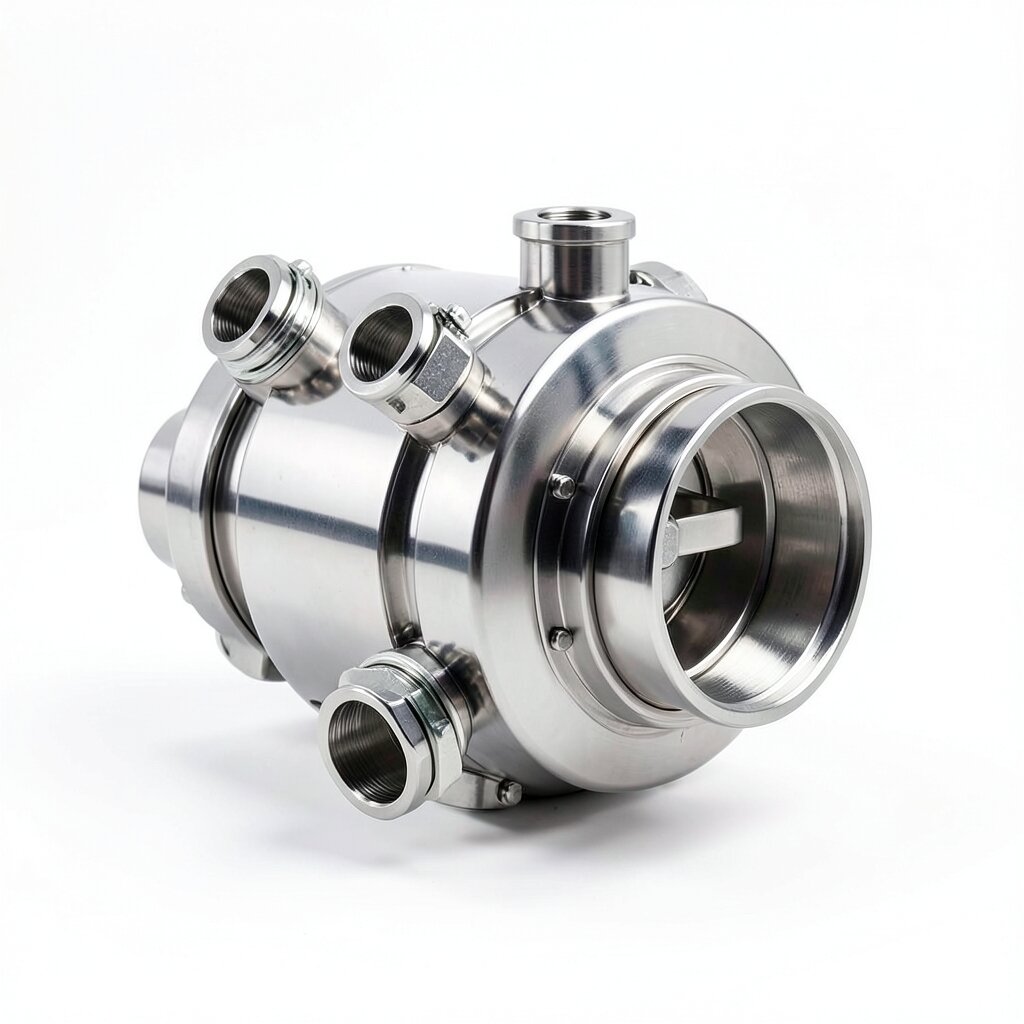
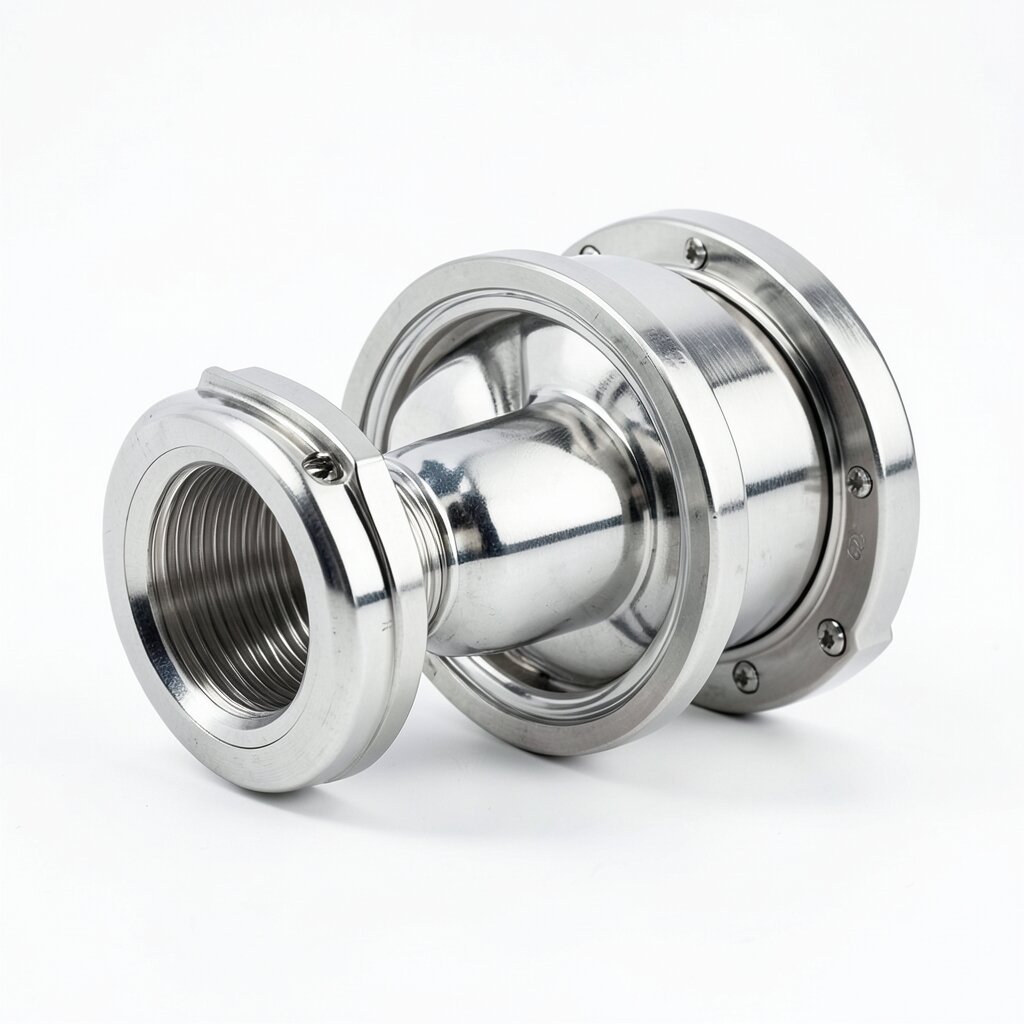
Full-bore sanitary inline mixer with no dead legs and a fully drainable internal geometry — the workhorse of validated CIP and SIP loops in pharmaceutical, biotech, dairy, and beverage processing.
Product Overview
The sanitary straight-through mixer is the simplest and most universal sanitary mixer in the ywmixing range. It is built as a polished SS316L housing with a full-bore internal element pack, terminated at each end with a tri-clamp ferrule. There is no side port, no tee branch, no header — the flow enters one end, passes through the mixing elements, and exits the other end, with the entire internal surface polished to a hygienic finish. This is the mixer specified wherever the process needs in-line blending in a fully drainable, fully cleanable configuration.
The straight-through geometry is the sanitary version's answer to the EHEDG and 3-A drainability requirements. There are no internal cavities where residual product could pool, and the internal element pack is designed with a 1-2° slope toward the outlet so gravity drains all fluid when the line is emptied. The polished surface (Ra ≤ 0.8 μm mechanical, Ra ≤ 0.4 μm electropolish) supports the CIP and SIP regimes that are standard in pharma and food processing: 80-95°C caustic + 80°C acid, followed by 121-130°C steam.
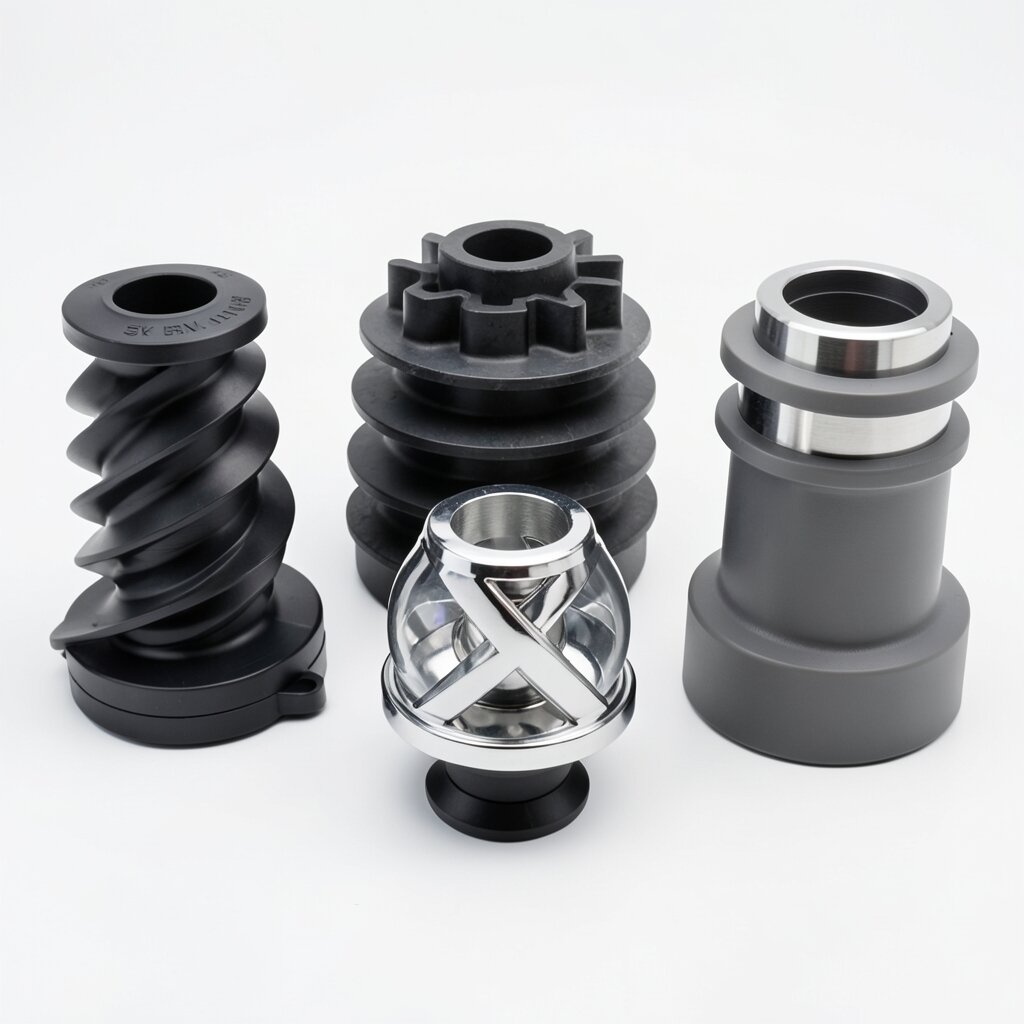
The unit is available in DN15 to DN100 sizes, with the element pack optimized for the typical sanitary flow rates (0.5-30 m³/h). The mixing elements are SS316L corrugated plates (SV technology) for fine blending, or SS316L helical elements (SK technology) for buffer/media preparation. The element pack is removable for inspection, cleaning, and replacement; the housing remains in the line. The element pack can be supplied gamma-irradiated for gene-therapy and aseptic service.
Design Features
The straight-through housing is a single SS316L forging or a fabricated spool with two tri-clamp ferrule ends. The internal bore is polished to Ra ≤ 0.8 μm as standard, with no sharp corners at the ferrule-to-bore transition. The bore is straight and unobstructed except for the element pack, which is supported by machined shoulders at each end of the housing. The element pack is retained by an internal tri-clamp ring at the upstream end and a retaining shoulder at the downstream end.
The element pack is a stand-alone assembly that slides into the housing on a precision spigot. For SV plate technology, the plates are stacked with the corrugations rotated 90° to each other, captured between two end caps, and held in compression by a small disc-spring. For SK helical technology, the elements are twisted from flat bar and welded end-to-end to form a continuous helix, with the upstream end pinned to a shoulder. Either design produces a robust, cleanable element pack that can be removed in seconds.
The housing is fully drainable: the bore is straight, the element pack is centered, and there is a 1-2° slope toward the outlet in the standard installation orientation. When the line is drained, gravity pulls all residual fluid to the outlet, and the polished surface does not retain a film. The drainability is documented in the validation report per EHEDG Doc 2 and 3-A 18-03.
All wetted materials comply with FDA 21 CFR and USP Class VI. The SS316L housing is supplied with a 3.1 MTR and a ferrite content report. The EPDM gaskets are USP Class VI tested and supplied with a lot-traceable certificate. The element pack is supplied with a 3.1 MTR for the SS316L material and a surface-finish report. The mixer is passivated per ASTM A967 and delivered in a Class 100 cleanroom double-bag.
Technical Specifications
| Parameter | Value |
|---|---|
| Connection Standard | Tri-clamp per ISO 2852, DIN 32676, ASME BPE, BS 4825-3 |
| Pipe Diameter Range | DN15 (1/2") to DN100 (4") |
| Pressure Rating | PN16 (10 bar at 25°C) for SS316L standard |
| Temperature Range | -10°C to +130°C (EPDM) / -20°C to +200°C (PTFE) |
| Housing Material | SS316L (≤ 0.030% C, ASTM A479) — forged or bar |
| Mixing Element | SV plate (default) or SK helical — SS316L |
| Surface Finish (Wetted) | Ra ≤ 0.8 μm mechanical (default) / Ra ≤ 0.4 μm electropolish |
| Gasket | EPDM USP Class VI (default), FKM, PTFE, Silicone |
| Certifications | ASME BPE, 3-A 18-03, EHEDG Doc 8, FDA, USP Class VI |
| Pressure Drop | 0.05-0.30 bar at 1-2 m/s (DN50) |
| Cleanability | CIP at 80-95°C, SIP at 121-130°C, 30 min |
| Packaging | Class 100 cleanroom double-bag, gamma-irradiated on request |
Frequently Asked Questions
The internal element pack is designed with a 1-2° slope toward the outlet, and the housing has no internal cavities or horizontal surfaces where fluid could pool. When the line is drained for CIP, gravity pulls all residual fluid to the outlet, leaving no hold-up volume. This is verified by the EHEDG drainability test Doc 2.
Yes. The mixer is rated for SIP (steam-in-place) at 121-130°C for 30 minutes, and the polished surface (Ra ≤ 0.8 μm default, Ra ≤ 0.4 μm electropolish) supports validated sterilization. The element pack is removable for autoclave sterilization, and the unit can be supplied gamma-irradiated (25-40 kGy) for gene-therapy applications.
The pressure drop is 0.05-0.30 bar at 1-2 m/s for a DN50 unit, scaling with the square of the velocity. At CIP flow (typically 1.5-2.0 m/s), the pressure drop is below 0.3 bar, which is well within the capacity of the CIP supply pump. The pressure drop is documented per CIP cycle in the validation report.
Yes. The element pack is retained by a tri-clamp at each end of the housing. The operator releases the two tri-clamps at the line connections, slides the mixer out of the line, and removes the element-retaining clamps inside the housing. The element pack lifts out as a single piece and can be hand-washed, autoclaved, or replaced. No special tools are required.
Related Products