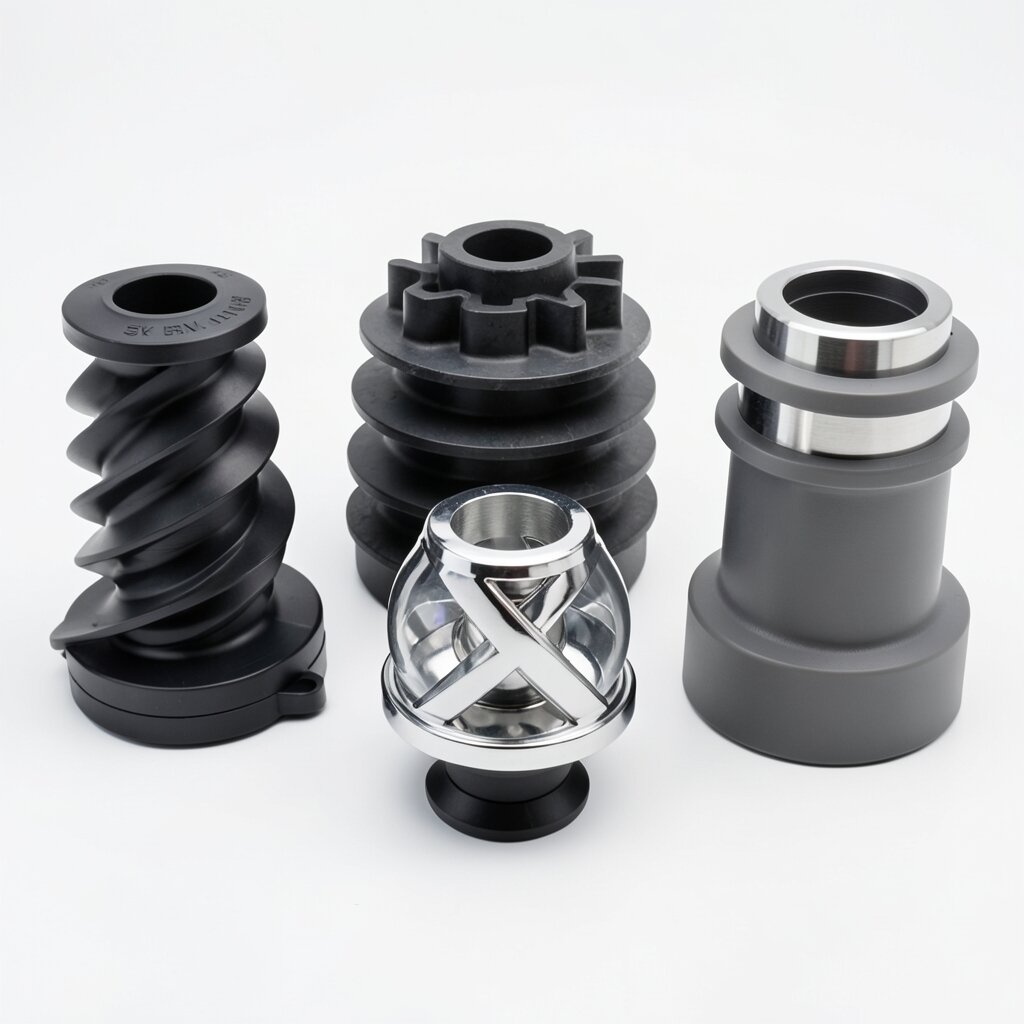
Large Sanitary SS Mixer
DN100-DN300 High-Flow Sanitary Mixer
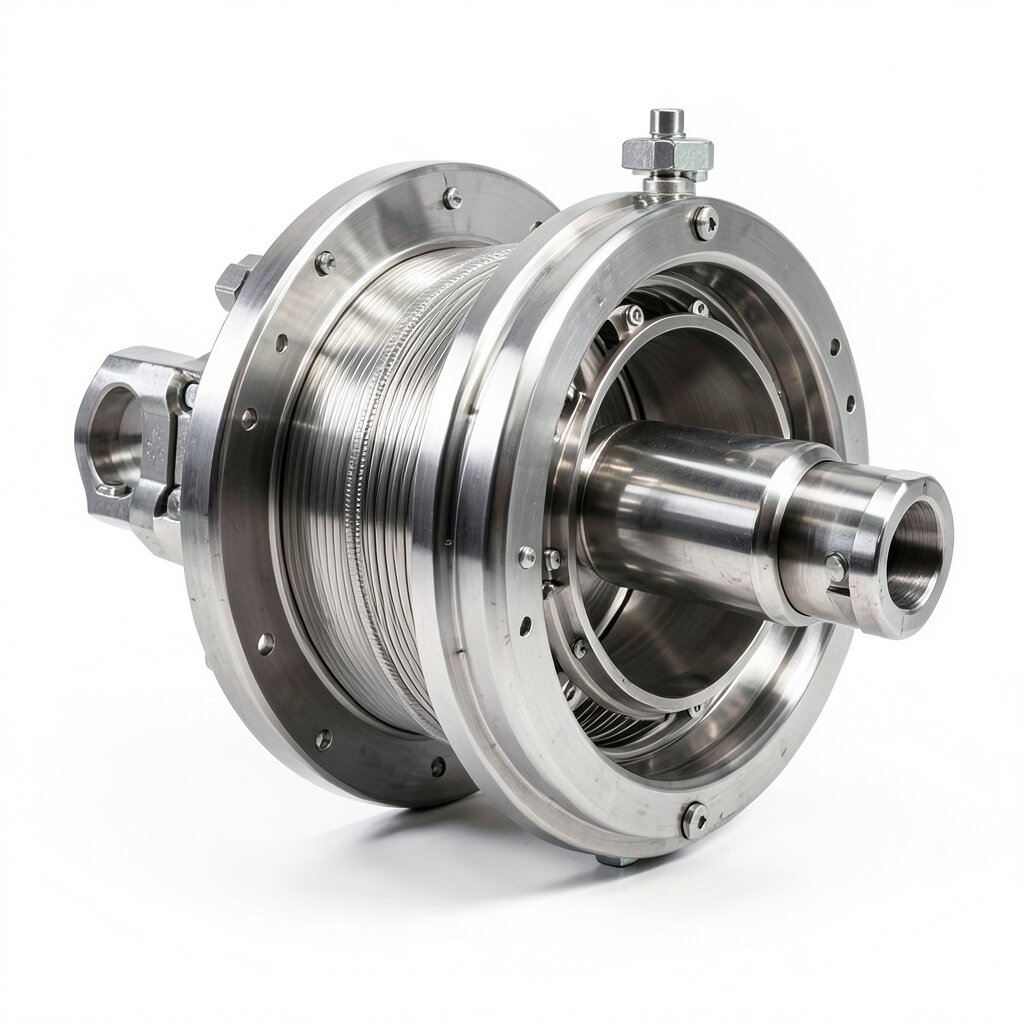
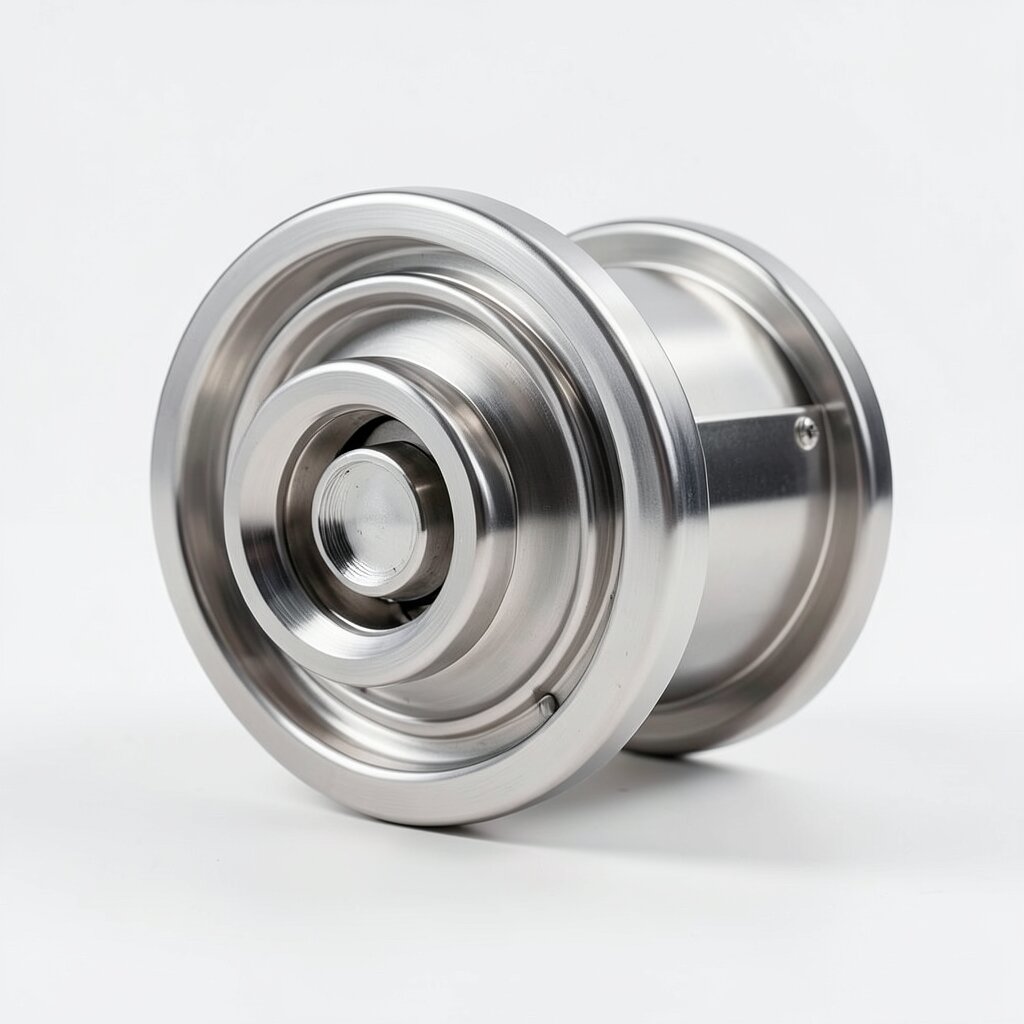
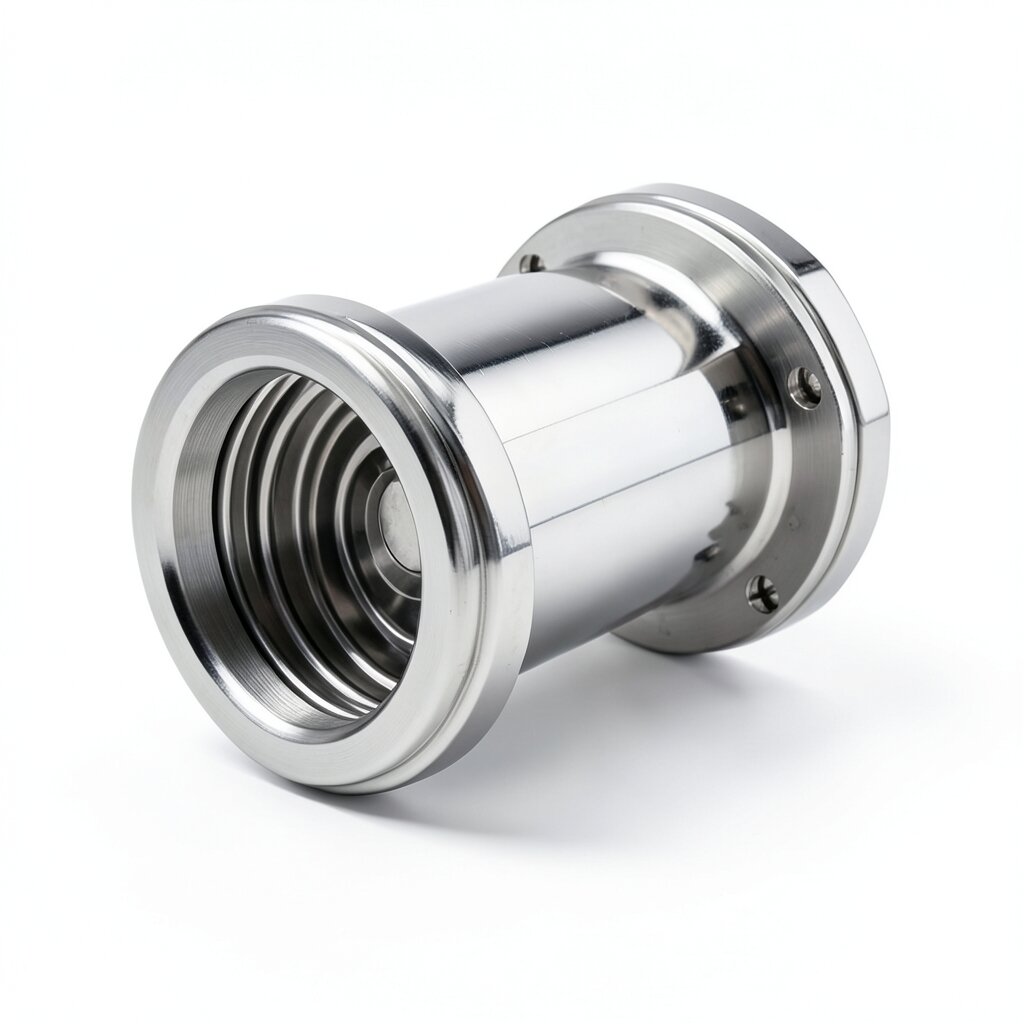
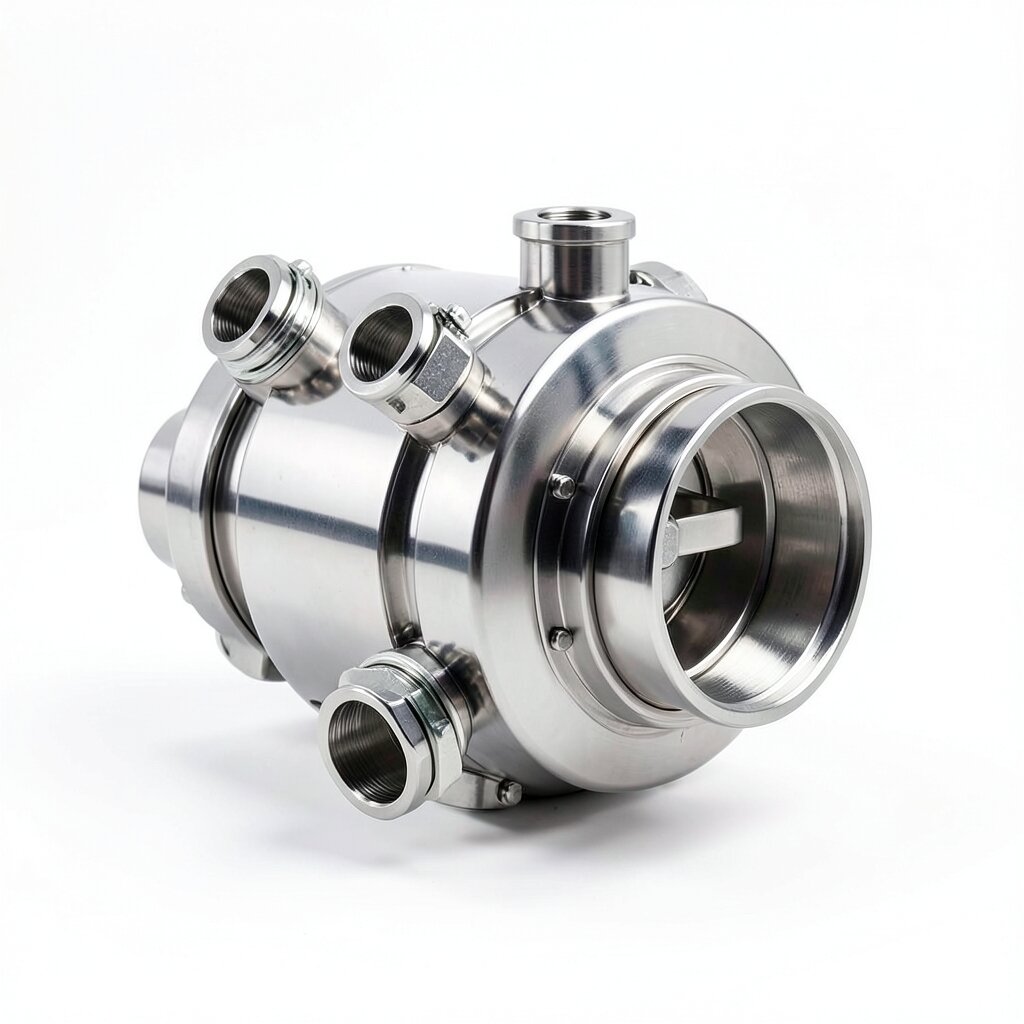
High-flow sanitary inline mixer for DN100-DN300 main lines — the structural variant for brewery, dairy, beverage, and pharmaceutical CIP/SIP loops where the flow rate exceeds the capacity of standard sanitary mixers.
Product Overview
The large sanitary SS mixer is the high-flow member of the sanitary mixer family. It is built in DN100, DN125, DN150, DN200, DN250, and DN300 main-line sizes, with the same polished SS316L housing and tri-clamp ferrule ends as the standard sanitary mixer, but with a much larger internal volume to handle flow rates up to 500 m³/h. The mixing element is the SK helical geometry, which is open, drainable, and CIP-friendly at the larger pipe diameters — the SV corrugated plate geometry becomes impractical above DN100 because the elements are too large to clean in a standard CIP cycle.
The large sanitary mixer is the natural choice for brewery, dairy, beverage, and pharmaceutical CIP/SIP loops where the flow rate exceeds 50 m³/h. A typical brewery CIP loop operates at 100-200 m³/h and uses DN150-DN200 mixers at the chemical injection points. A typical dairy processing line operates at 50-150 m³/h and uses DN100-DN150 mixers for the standard ingredient blending points. A typical pharmaceutical buffer make-up skid operates at 20-50 m³/h and uses DN80-DN100 mixers — the boundary case between the standard and the large sanitary versions.
The unit is rated for the standard PN16 (10 bar) sanitary pressure class and the standard EPDM gasket temperature envelope of -10°C to +130°C. The polished surface is Ra ≤ 0.8 μm mechanical as standard, with electropolish to Ra ≤ 0.4 μm available for bioprocess service. The element pack is removable for cleaning and inspection, and the housing remains in the line. CIP at 1.5-2.0 m/s and SIP at 121-130°C are both supported, with the validation report supplied per EHEDG and 3-A requirements.
Design Features
The large sanitary housing is a fabricated SS316L shell with two tri-clamp ferrule ends. For DN100-DN150, the housing can be a single forging, but for DN200 and above, fabrication from rolled SS316L plate is more economical. The longitudinal and circumferential welds are full-penetration TIG, ground, and re-polished to the same Ra finish as the unwelded bore. The housing is designed for a 1.5× safety margin on burst per ASME B31.3, with a full MTR and ferrite report.
The mixing element is the SK helical geometry, with elements twisted from SS316L flat bar and welded end-to-end to form a continuous helix. The helix is supported at the upstream end by a welded shoulder and is free to slide at the downstream end to accommodate thermal expansion. The number of elements is 4-6 for DN100, increasing to 6-8 for DN300. The element pack is removable as a single assembly, supported on a precision spigot inside the housing.
Inside the housing, the element pack is positioned with a 1-2° slope toward the outlet to ensure drainability. The polished surface (Ra ≤ 0.8 μm) is verified by a surface-finish report per ASME BPE. The housing is passivated per ASTM A967 (citric acid or nitric acid), with a final rinse of WFI for pharmaceutical service. The mixer is then double-bagged in a Class 100 cleanroom and shipped in a sealed poly bag inside a cardboard carton.
For high-pressure service above PN16, the housing is reinforced with a thicker wall and the tri-clamp ferrules are upgraded to higher-pressure ratings. For PN25 service, the ferrules are per the high-pressure tri-clamp tables, and the clamp is a heavy-duty bolt-clamp rather than the standard pinch-clamp. For PN40 service, the mixer is built with butt-weld ends rather than tri-clamp — see the high-pressure tri-clamp mixer variant for the PN25-PN40 range.
Technical Specifications
| Parameter | Value |
|---|---|
| Connection Standard | Tri-clamp per ISO 2852 / DIN 32676 / ASME BPE / BS 4825-3 |
| Pipe Diameter Range | DN100 (4") to DN300 (12") — custom to DN600 |
| Pressure Rating | PN16 (10 bar at 25°C) — PN25 / PN40 on request |
| Flow Rate Range | DN100: 50-150 m³/h / DN150: 100-250 m³/h / DN300: 250-500 m³/h |
| Temperature Range | -10°C to +130°C (EPDM) / -20°C to +200°C (PTFE) |
| Housing Material | SS316L (≤ 0.030% C, ASTM A479) — fabricated plate |
| Mixing Element | SK helical (default) — 4-8 elements depending on DN |
| Surface Finish (Wetted) | Ra ≤ 0.8 μm mechanical (default) / Ra ≤ 0.4 μm electropolish |
| Gasket | EPDM USP Class VI (default), FKM, PTFE, Silicone |
| CIP Velocity | 1.5-2.5 m/s (pressure drop < 0.5 bar at max CIP) |
| Certifications | ASME BPE, 3-A 18-03, EHEDG Doc 8, FDA, USP Class VI |
| Packaging | Class 100 cleanroom double-bag for bioprocess service |
Frequently Asked Questions
The large sanitary SS mixer handles flow rates up to 500 m³/h in the DN300 size, scaling with the cross-sectional area. Typical flow rates are 50-150 m³/h for DN100, 100-250 m³/h for DN150, 150-350 m³/h for DN200, and 250-500 m³/h for DN300. Above these flow rates, the residence time becomes too short for effective mixing.
Large sanitary mixers use the SK helical geometry as the default, because the larger pipe diameter makes the SV corrugated plate elements too large to clean in a standard CIP cycle. The SK helical elements are open, drainable, and CIP-friendly, with the same mixing precision as the smaller SV versions (1-2 mm dispersion for low-viscosity service).
Yes. The mixer is designed for CIP flow rates up to 2.5 m/s, with a pressure drop below 0.5 bar at the maximum CIP flow. The helical element geometry is fully drainable and CIP-cleanable at the standard 1.5-2.0 m/s CIP velocity. The polished surface (Ra ≤ 0.8 μm) supports the standard caustic-acid CIP cycle.
The standard large sanitary mixer is built in DN100, DN125, DN150, DN200, DN250, and DN300 sizes. Above DN300, the housing weight and the tri-clamp ferrule size become impractical, and the customer typically moves to a flanged industrial mixer for the larger pipe. Custom DN400-DN600 sanitary mixers are built to order for very-high-flow applications.
Related Products