
Supercritical Fluid Foaming Equipment
CO₂/N₂ Microcellular Foaming System
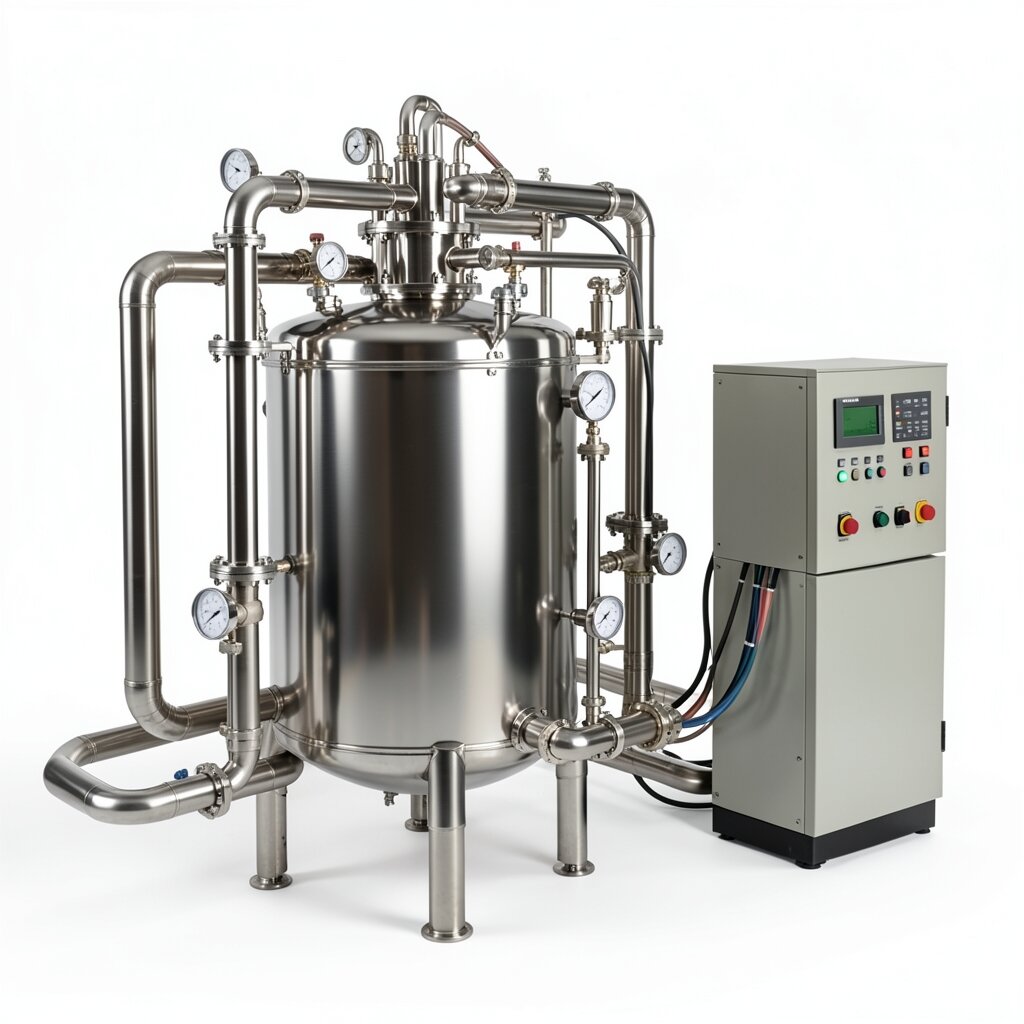
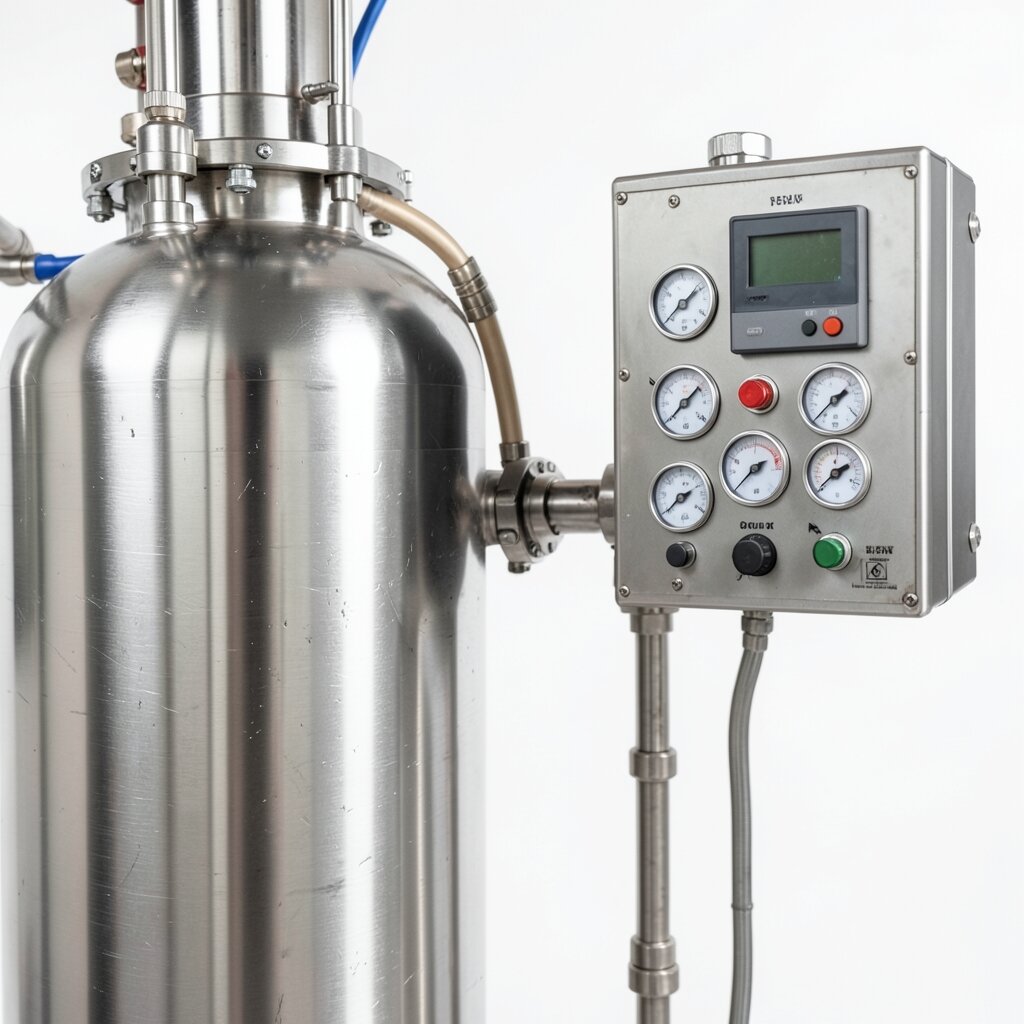
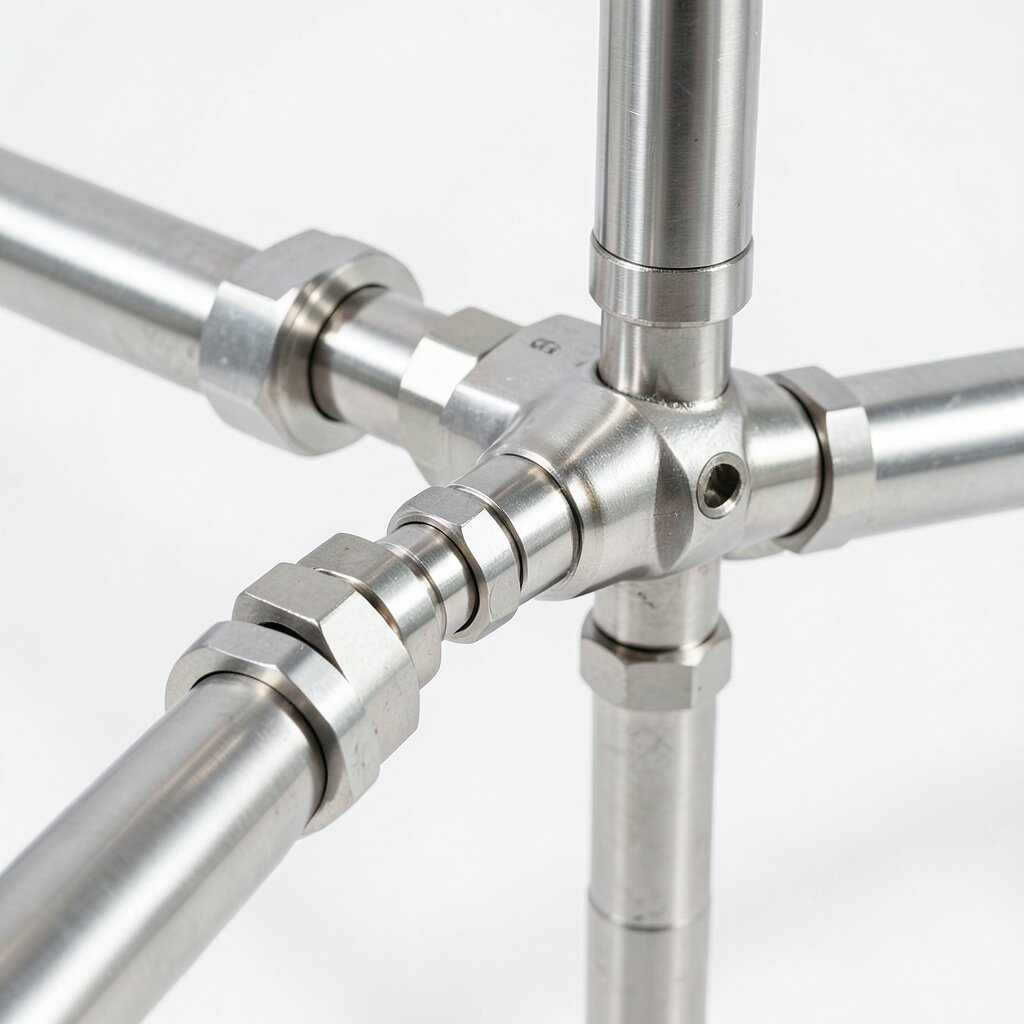
Complete SCF foaming systems for microcellular injection molding and extrusion — supercritical CO₂/N₂ dosing, dissolution, and precision pressure control for uniform cells below 50 μm.
Equipment Overview
The ywmixing supercritical fluid (SCF) foaming system converts standard injection molding machines and extruders into microcellular foaming platforms. The system pressurizes carbon dioxide or nitrogen to its supercritical state, meters it into the polymer melt at precisely controlled dosage, and relies on carefully engineered dissolution and pressure-drop stages to nucleate a uniform microcellular structure. Parts molded with SCF foaming weigh 10-40% less than solid parts at equal or better stiffness-to-weight ratio, exhibit sink-free surfaces on thick sections, and cycle faster because lower melt viscosity and reduced packing pressure shorten the hold phase. The complete skid includes the high-pressure pump, mass-flow metering, supercritical conditioning, injection nozzle with SCF dosing, and a PLC control cabinet with recipe management — ready to couple to your machine's barrel.
Supercritical Fluid Principles
A supercritical fluid exists above its critical temperature and pressure, where it behaves neither as a liquid nor a gas but as a dense fluid with gas-like diffusivity and liquid-like density. For CO₂ the critical point is 31.1°C and 7.38 MPa; for nitrogen, -146.9°C and 3.4 MPa. In the supercritical state, CO₂ and N₂ dissolve into polymer melts at concentrations of 3-10% by weight, acting as a plasticizer that lowers melt viscosity by 30-60% while remaining fully dissolved — no bubbles form until the pressure drops. The foaming step happens at the moment of pressure release: as melt enters the mold cavity (injection) or exits the die (extrusion), the sudden pressure drop pushes the dissolved gas out of solution, nucleating billions of cells. Cell size and density are governed by the pressure-drop rate, the gas concentration, and the homogeneity of the gas-melt solution — which is exactly what the ywmixing system controls.
System Architecture
The skid-mounted system comprises five modules. The gas supply module takes food-grade CO₂ or industrial N₂ from cylinders or a bulk tank, filters it to 0.1 μm, and delivers it to the pump at stable inlet pressure. The high-pressure metering pump raises the gas to injection pressure — up to 50 MPa for CO₂, 40 MPa for N₂ — using a plunger pump with a mass-flow controller that holds dosing accuracy at ±0.5% of setpoint. The conditioning module heats the pressurized gas to supercritical temperature and holds it there with a heated accumulator. The dosing nozzle injects the SCF into the melt at a precisely located point on the barrel (typically 60-80% along the screw length) where the melt is fully molten. Finally, the inline dissolution section — a static mixer element pack in the nozzle or a special screw section — homogenizes the two-phase system so the gas is dissolved uniformly before the mold. The control cabinet runs closed-loop recipes with per-part SCF dose, pressure ramps, and temperature profiles stored and recallable.
Technical Specifications
| Parameter | Value |
|---|---|
| Foaming Gases | CO₂ (supercritical ≥ 31.1°C / 7.38 MPa) or N₂ (≥ -146.9°C / 3.4 MPa) |
| Metering Pressure | 5-50 MPa (CO₂); 5-40 MPa (N₂) |
| Dosing Accuracy | ±0.5% of setpoint (mass-flow controlled) |
| Gas Dosage Range | 0.5-10% by weight of polymer |
| Cell Size | Uniform, typically 10-50 μm average |
| Weight Reduction | 10-40% vs solid parts (application dependent) |
| Melt Viscosity Reduction | 30-60% (SCF plasticization effect) |
| Compatible Machines | Injection molding 90-2,000 tonne; extruders 45-150 mm |
| Wetted Materials | SS316L, hardened alloy steel, PTFE seals |
| Control | PLC + HMI, recipe management, closed-loop dosing |
| Utilities | 380 V 3-phase, 0.6 MPa instrument air, gas supply |
| Options | Inline dissolution static mixer, SCF screw section, gas recovery |
Frequently Asked Questions
Typical payback is 9-18 months depending on material and volume: resin savings of 10-40% dominate the economics, with secondary savings from shorter cycles and lower clamp tonnage. High-volume packaging and automotive programs pay back fastest.
Yes — the system is designed as an add-on skid. Requirements are a barrel port (usually machined on site), a spare PLC I/O for the dosing signal, and 380 V power. Machines with standard general-purpose screws can start with the dosing nozzle + inline mixer option.
CO₂ dissolves at higher concentrations (better weight reduction, finer cells) but requires higher injection pressure and slightly more cooling. N₂ is easier to meter, needs lower pressure, and suits high-temperature melts. The system supports both; the choice is made per application.
With correct dissolution (fully dissolved gas until the mold), surfaces are class-A and paintable. If the gas comes out of solution prematurely — usually from over-dosing or insufficient mixing — swirl marks appear; the ywmixing inline dissolution section is designed specifically to prevent this.