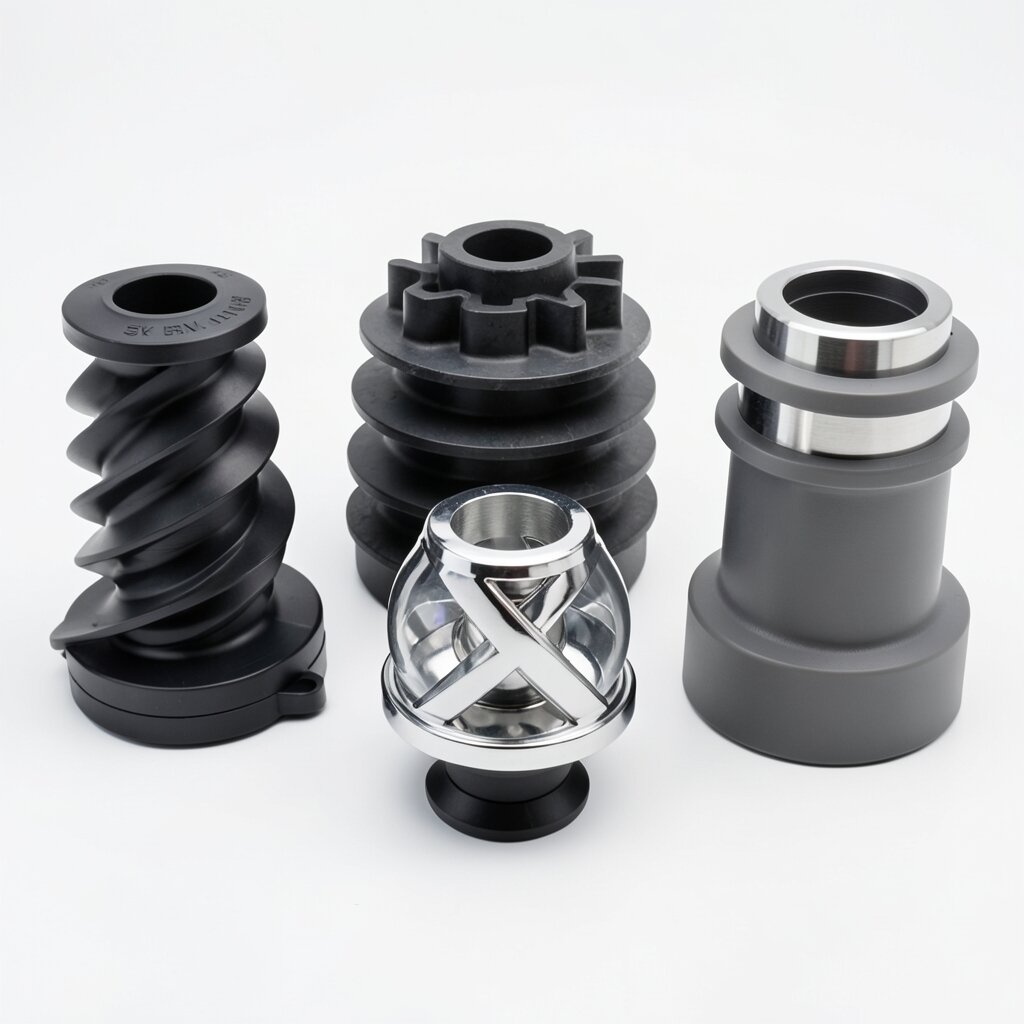
PVC Static Mixer
All-PVC Laboratory and Pilot-Plant Mixer
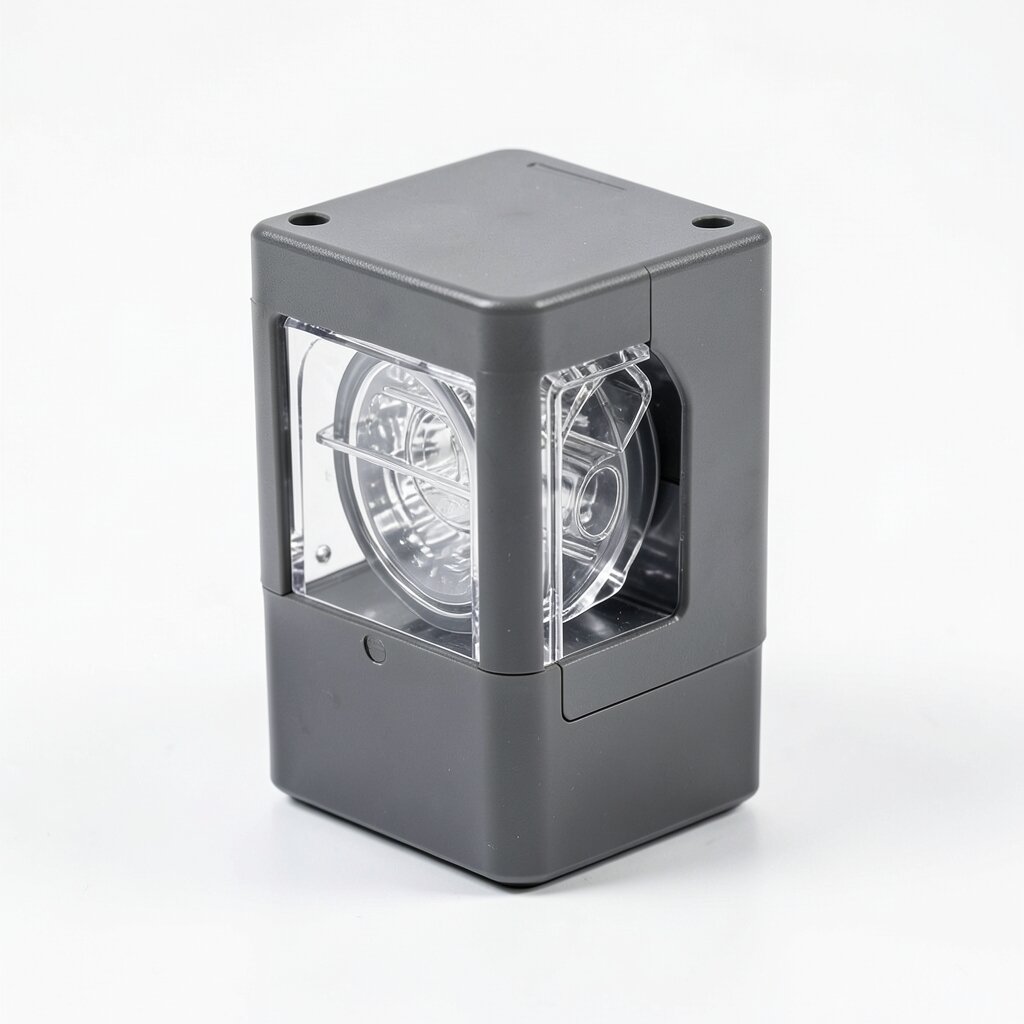
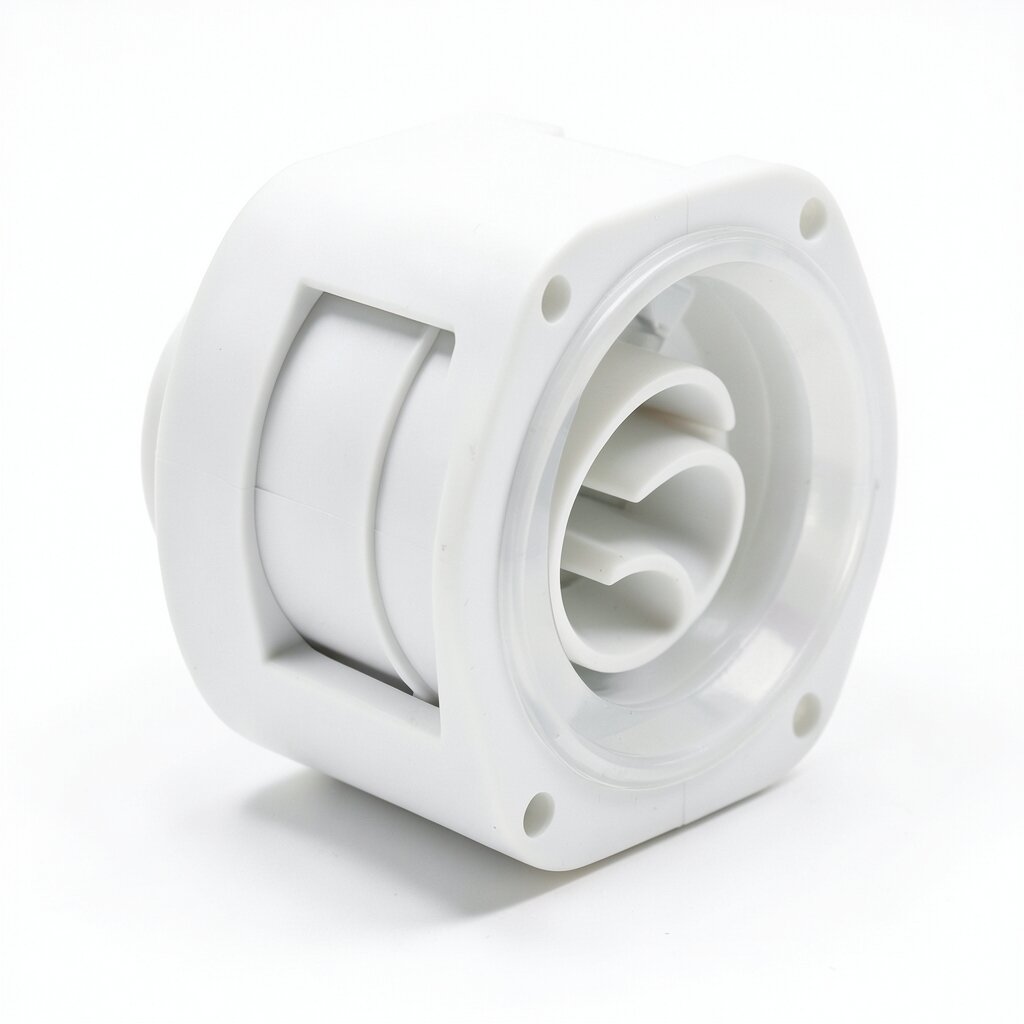
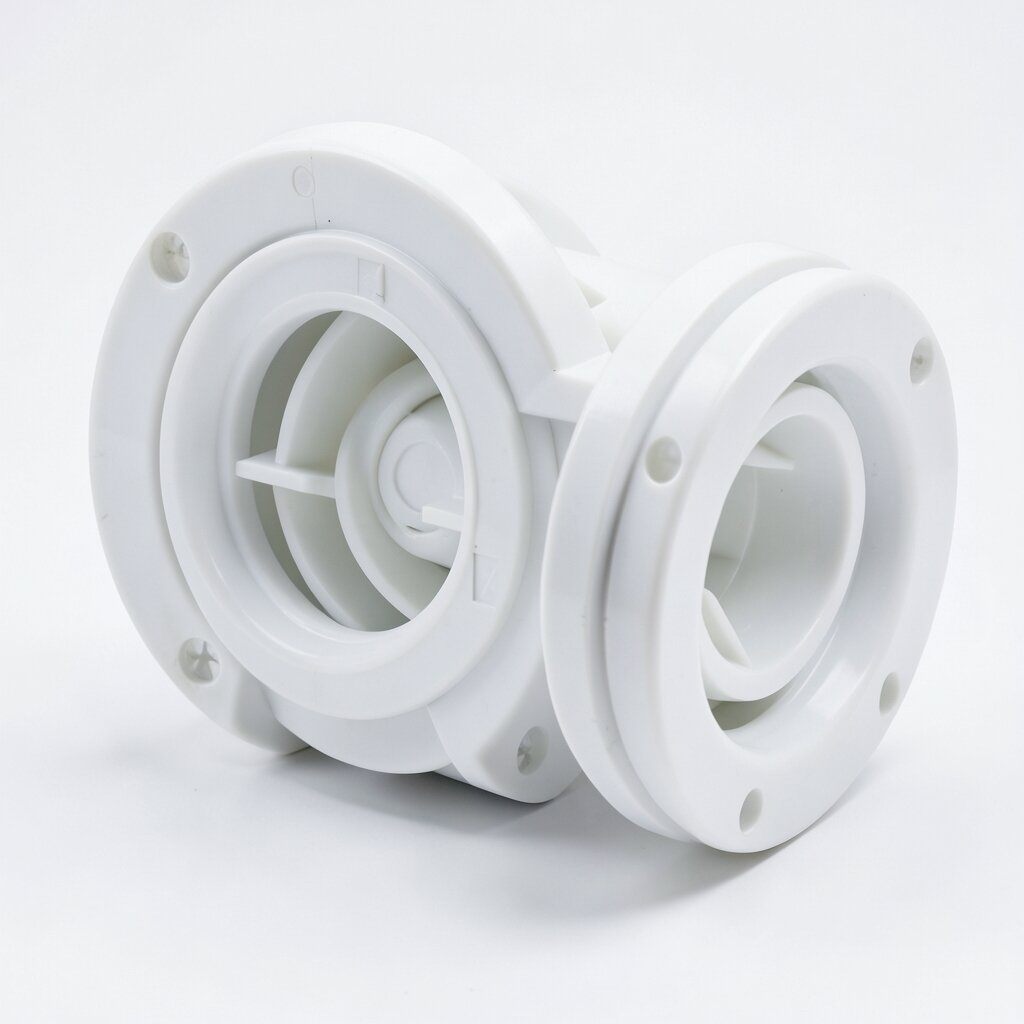
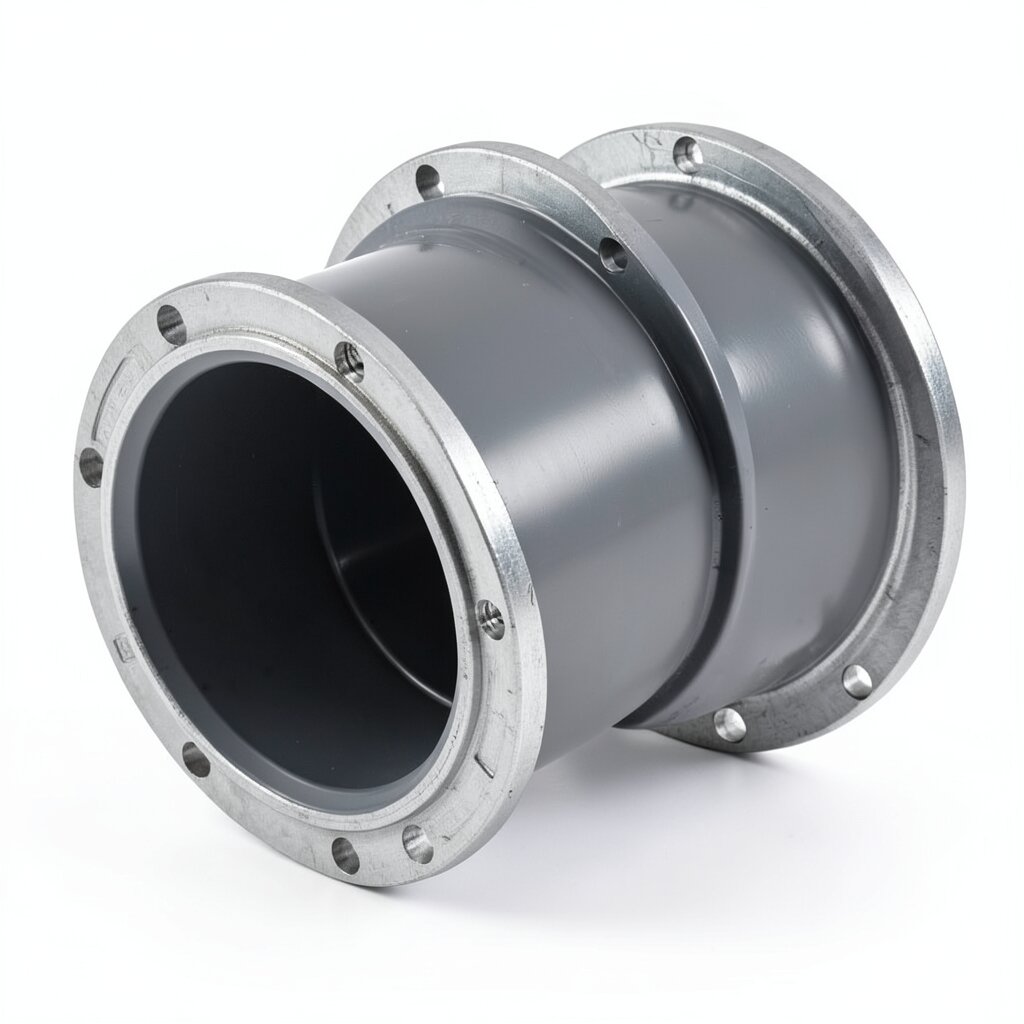
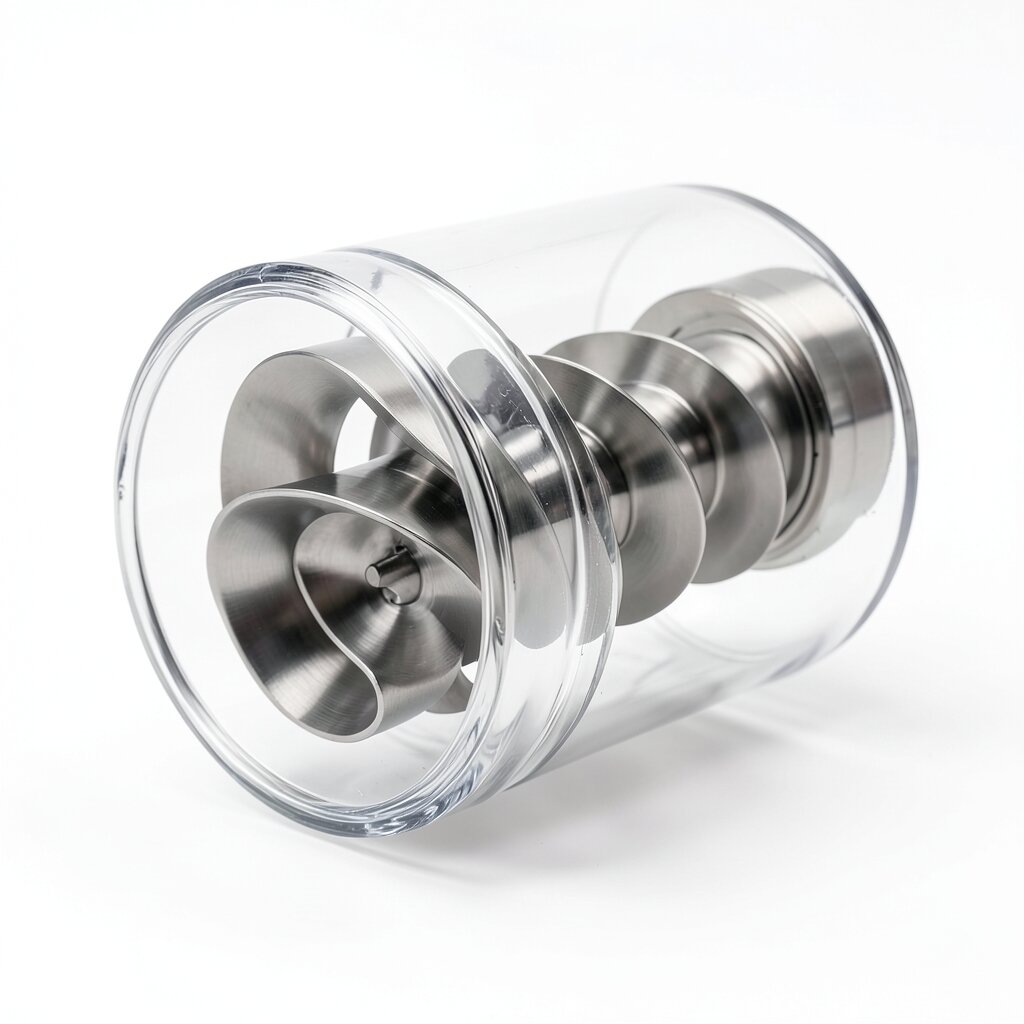
All-rigid-PVC in-line static mixer with solvent-welded housing and integral helical elements — the lowest-cost polymer mixer for laboratory, pilot-plant, and light-duty industrial service up to 60°C.
Product Overview
The ywmixing PVC static mixer is the lowest-cost member of the all-polymer mixer family. The housing, flanges, and internal elements are all manufactured from rigid unplasticized PVC (PVC-U), the same material used in Schedule 80 PVC pressure piping. There are no metallic wetted parts, no lined steel shell, and no exotic polymers. The result is a mixer that handles dilute mineral acids, alkalis, and salt solutions at a price point that is typically 30-50% below the equivalent PP version.
The mixer is designed for laboratory, pilot-plant, and light-duty industrial service. It is commonly installed on chemical dosing skids, in water-treatment pilot rigs, on educational teaching loops, and in any application where the chemistry is mild and the temperature is below 60°C. The light weight (a DN50 all-PVC mixer weighs about 1.5 kg) and the simple connection (flanged, threaded, or solvent-weld socket) make the mixer easy to install and to integrate into existing PVC piping systems.
The temperature limit is 60°C continuous, 70°C short-term. Above 60°C, the PVC begins to soften and the housing will distort under any sustained pressure. The pressure limit is PN6, lower than the steel-shell lined versions. For higher temperature, higher pressure, or larger diameter, the PVC-lined mixer (steel shell with PVC liner) is the appropriate upgrade. For higher temperature with dilute chemistry, the all-PP mixer is the right selection.
Material Properties
Rigid unplasticized PVC (PVC-U) is the mixer material. Its chemical resistance is well documented: it handles all dilute mineral acids (HCl up to 20%, H₂SO₄ up to 50%, HNO₃ up to 30%, H₃PO₄ any concentration), most organic acids (acetic, citric, lactic, formic) at ambient temperature, all alkalis (NaOH, KOH, NH₄OH, Ca(OH)₂), and all salt solutions (NaCl, CaCl₂, Na₂SO₄, ferric chloride, sodium hypochlorite below 12% available Cl₂). The temperature limit is the key constraint: PVC softens at 60-65°C and the housing will distort if pressure is applied above this temperature.
The mechanical properties of rigid PVC are the strongest of the three polymer options. Tensile strength is 50-60 MPa, density 1.40-1.45 g/cm³, and elastic modulus 3.0-3.5 GPa. These properties give the PVC mixer the highest pressure rating of the all-polymer family (PN6 for the all-PVC vs PN10 for PP and PVDF). The trade-off is the temperature ceiling: PVC cannot be used above 60°C continuous, while PP and PVDF tolerate 90°C and 140°C respectively.
PVC has well-known chemical limitations. It is NOT suitable for ketones (acetone, MEK, MIBK), esters (ethyl acetate, butyl acetate), aromatic hydrocarbons (benzene, toluene, xylene), chlorinated hydrocarbons (methylene chloride, chloroform, perchloroethylene), concentrated sulfuric acid above 70%, or any service above 60°C. For any of these services, the all-PP or all-PVDF mixer is the appropriate upgrade. PVC is also unsuitable for service with strong oxidizers at elevated concentrations (concentrated HNO₃ above 50%, concentrated H₂O₂ above 30%) because these chemicals attack the polymer.
The thermal expansion coefficient of PVC is high (70 × 10⁻⁶/°C, roughly 6× that of carbon steel) but is the lowest of the three polymer options. The expansion must be accommodated in the piping system design by including expansion loops or by selecting a piping layout that does not constrain the mixer. For long straight runs, expansion compensators (bellows or expansion loops) are recommended at intervals of approximately 6-10 m to absorb thermal growth.
Construction Design
The all-PVC mixer is built almost entirely from off-the-shelf PVC pressure-piping components. The housing is a length of Schedule 80 PVC pipe (sized to the mixer DN), with two socket fusion or flanged end caps. The internal element set consists of 4-8 PVC rods, twisted 180° left and right in alternating pairs, and mechanically fastened to the housing at each end by element holders that are solvent-welded to the housing wall.
All PVC components are joined by solvent welding. The solvent cement (typically a mixture of tetrahydrofuran, cyclohexanone, and PVC resin) softens and fuses the PVC surfaces into a single homogeneous mass. Solvent-welded joints are as strong as the parent PVC and are leak-tight at the rated pressure. The cure time depends on the ambient temperature and the cement grade, but 24 hours at 20°C is typically required before the joint is put into service.
End connections are available in three styles. Flanged (ANSI B16.5 Class 150, DIN PN10, JIS 10K) is the most common — flanges are PVC ring flanges with a 316L stainless backing ring to distribute the bolt load. Threaded (NPT or BSP) is available for DN15-DN50 in PVC for instrument-air and low-pressure water service. Socket fusion (for solvent welding directly to PVC pipe) is the third option and is used where the mixer is integrated into a PVC piping system without flanged transitions.
The element set is the same helical geometry as the lined versions — left-right twisted rods at 180° (default) or 270° (option for higher viscosity). Element rod diameter is typically 0.10-0.15 × DN, and the L/D ratio of the housing is 6-10. Element count is 4-8, selected based on the target σX, with 4 elements sufficient for simple mixing duty (σX ≤ 5-7%) and 6-8 elements required for tight-coefficient applications (σX ≤ 1-3%).
The mixer is supported by standard PVC piping supports; the light weight (1.5 kg for DN50) means that simple pipe hangers or straps are usually sufficient. For horizontal installations, supports are placed at 1-2 m intervals along the piping run, with at least one support within 300 mm of each mixer flange. For vertical installations, the mixer is supported by the pipe hangers above and below, and no additional support is required.
Technical Specifications
| Parameter | Value |
|---|---|
| Housing Material | Rigid unplasticized PVC (PVC-U) |
| Element Material | Rigid PVC (matched to housing) |
| Internal Structure | 180° / 270° left-right helical twist elements (4-8 elements) |
| Mixing Precision | σX ≤ 3-7% (Re > 10,000) |
| Operating Temperature | -10°C to +60°C continuous / +70°C short-term |
| Design Pressure | PN6 at 23°C (derated at higher temperature) |
| Vacuum Service | Not recommended (no vacuum rating) |
| Connection Types | PVC flange (ANSI 150, DIN PN10, JIS 10K), NPT/BSP thread, socket fusion |
| Pipe Diameter Range | DN15 to DN150 |
| Flow Rate Range | 0.05 to 100 m³/h |
| Viscosity Range | ≤ 500 cP |
| Gasket Material | EPDM (standard), FKM (option) |
| Joining Method | Solvent welding (PVC cement per ASTM D2564) |
| Approximate Weight (DN50) | ~1.5 kg |
Frequently Asked Questions
All-PVC mixers are rated for -10°C to +60°C continuous and +70°C short-term. The 60°C ceiling is set by the heat-distortion temperature of rigid PVC at 0.45 MPa (about 65°C). For service above 60°C, use the PP or PVDF all-plastic mixer, or the PP-lined / PTFE-lined mixers with a steel shell.
All-PVC mixers handle dilute mineral acids (HCl up to 20%, H₂SO₄ up to 50%, HNO₃ up to 30%), most bases, salt solutions, swimming-pool chlorine chemistry, and potable water. They are NOT suitable for ketones, esters, aromatic or chlorinated hydrocarbons, or any concentrated oxidizing acid.
PVC components are joined by solvent welding, which uses a solvent cement to fuse the PVC surfaces into a single homogeneous mass. Solvent-welded joints are as strong as the parent PVC and are leak-tight at the rated pressure. Threaded connections are not used in critical service because threads are stress concentrators.
Standard sizes cover DN15 to DN150. Above DN150 the wall thickness required for pressure containment becomes excessive and the mixer is no longer cost-competitive with the PVC-lined version (steel shell with PVC liner). All-PVC is most common in DN15-DN80 service for laboratory, pilot-plant, and skid-mounted installations.
Related Products