Static Mixers Engineered for Industrial Precision
ywmixing designs and manufactures inline static mixers for processes where mixing quality directly impacts product quality. Eight element geometries, custom materials from SS304 to Hastelloy, and a full range of mixing elements, sanitary mixers, and injection nozzles — with engineering support for every inquiry.
Static Mixer Models
Each model addresses a different combination of fluid viscosity, particulate content, and dispersion requirements. Selecting the correct element geometry is the single most important factor in achieving your mixing objective.
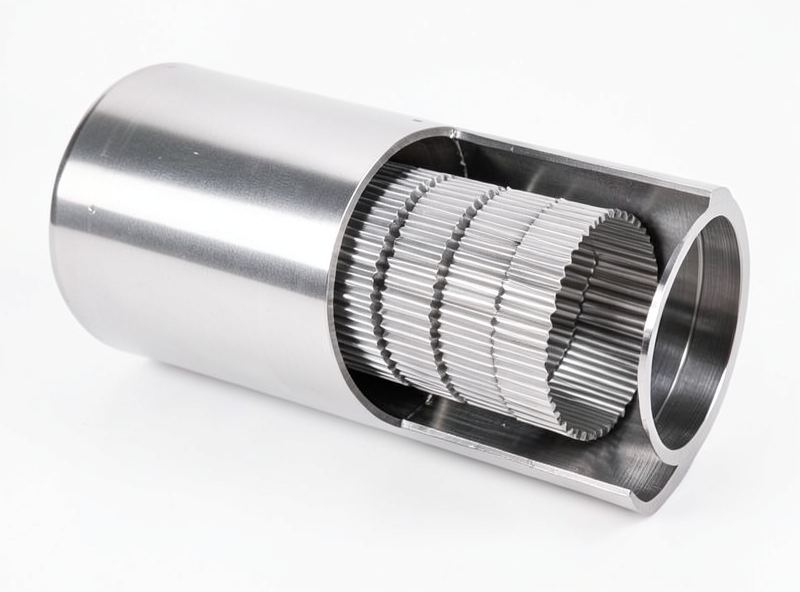
SV Type — Corrugated Plate
Highest dispersion precision (1-2μm) for clean, low-viscosity fluids. The industry benchmark for liquid-liquid emulsification and gas-gas blending.
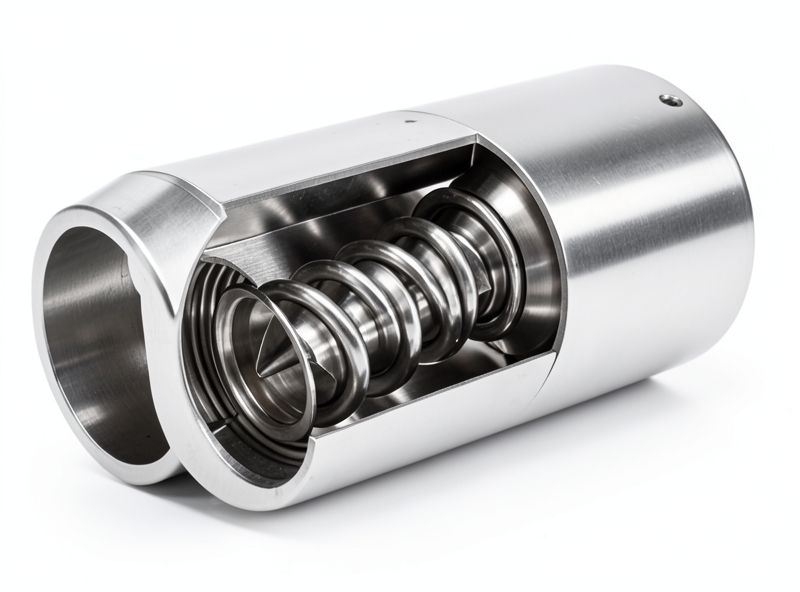
SK Type — Helical
Ultimate clog resistance for high-viscosity and particulate media. Handles fluids up to 1,000,000 cP without blockage.
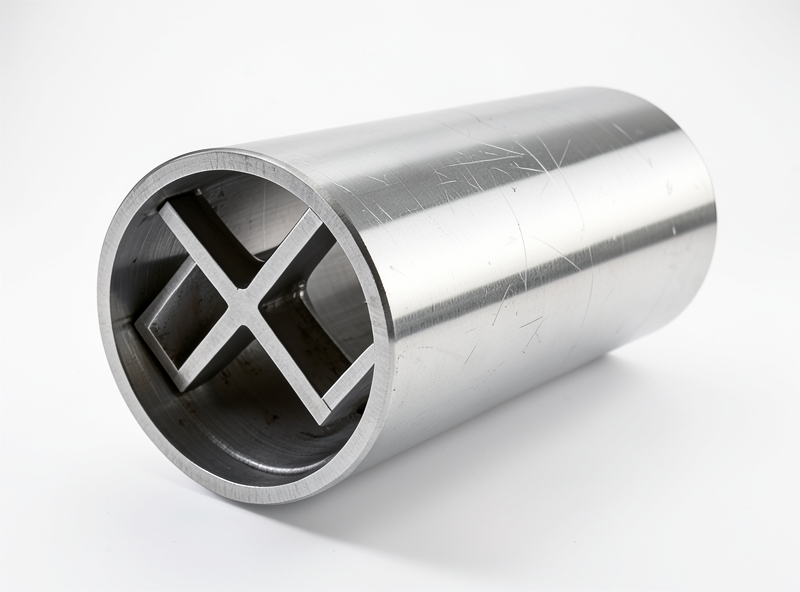
SX Type — Cross-Bar
Balanced performance for medium-high viscosity at high flow rates. The versatile choice between SK and SV.
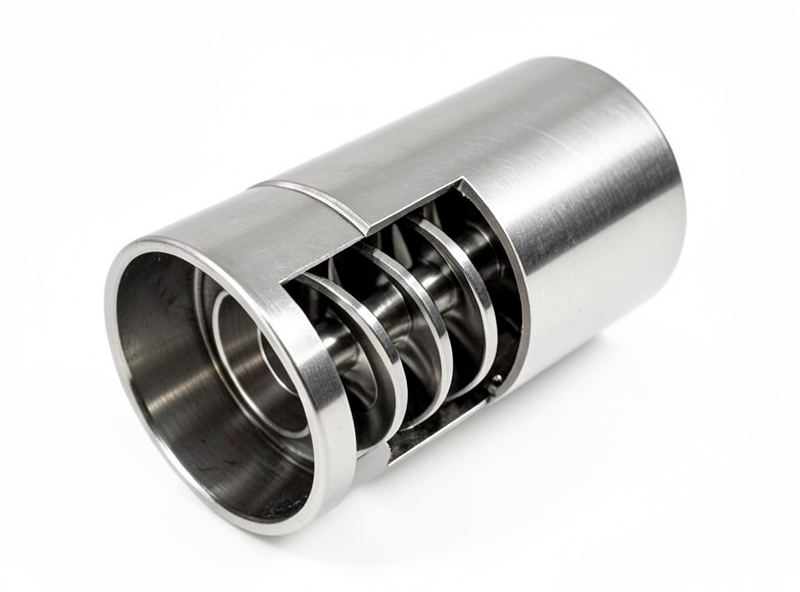
SH Type — Dual-Channel
Dual-channel precision for small-flow, high-viscosity clean media. Specialized for injection molding coloration and fiber spinning.
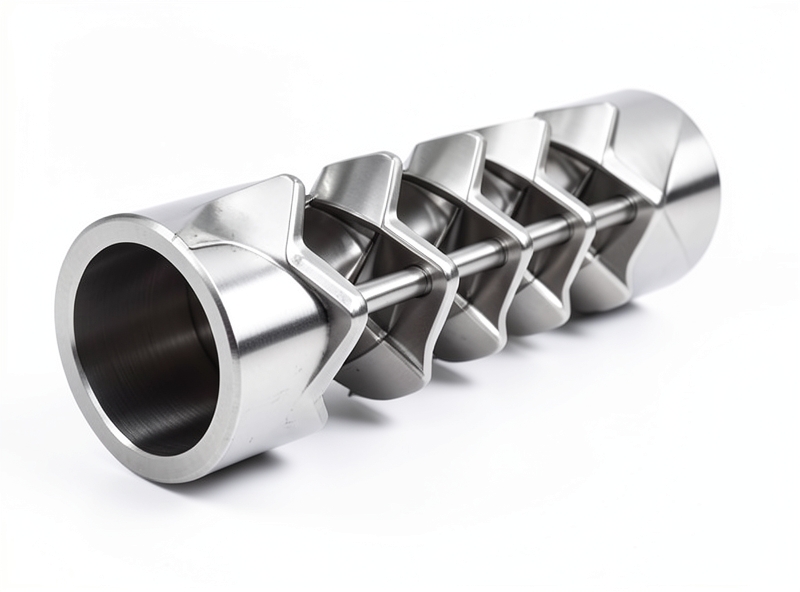
SL Type — Single-X
Dual-duty mixing and heat transfer for low-viscosity processes. Ideal when thermal management and mixing must occur simultaneously.
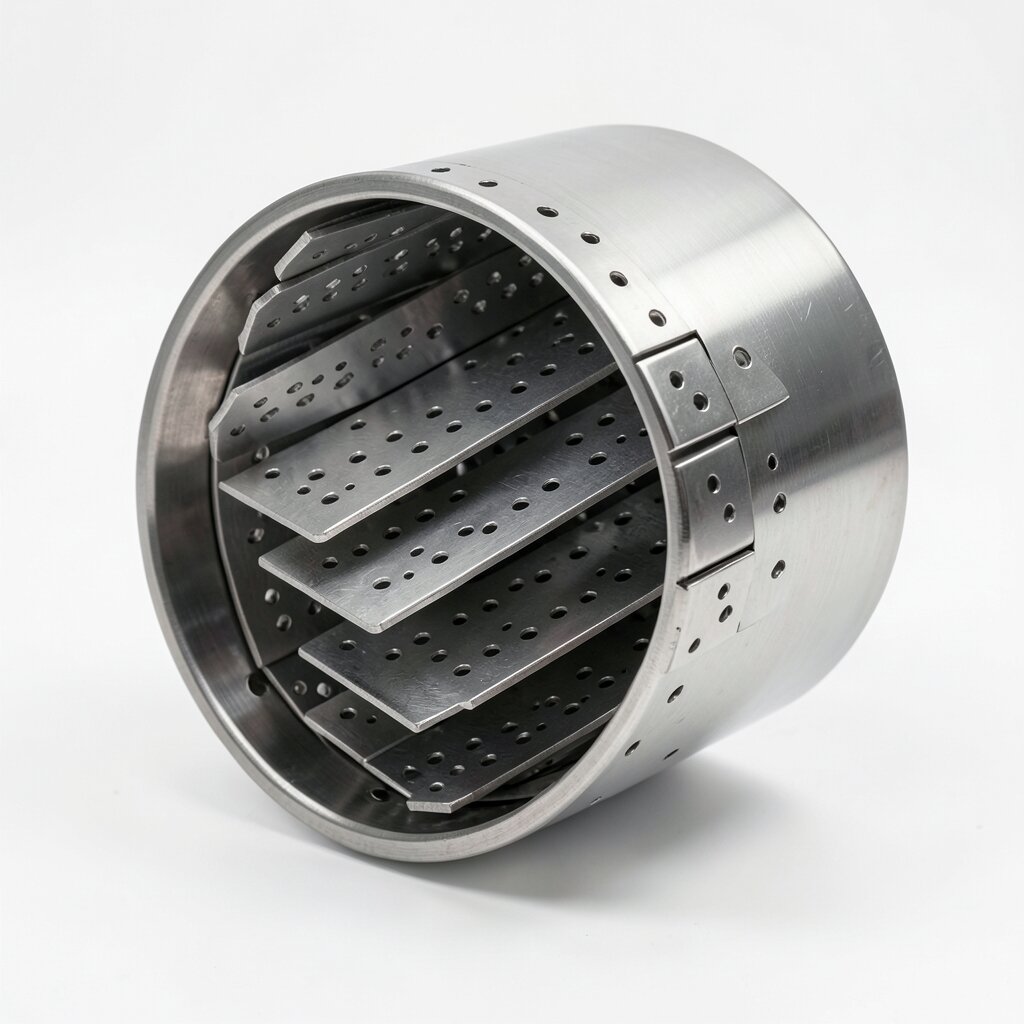
SD Type — Perforated Plate
Multi-hole plate elements for medium-viscosity general service. Wide operating window with predictable pressure drop and easy cleaning.
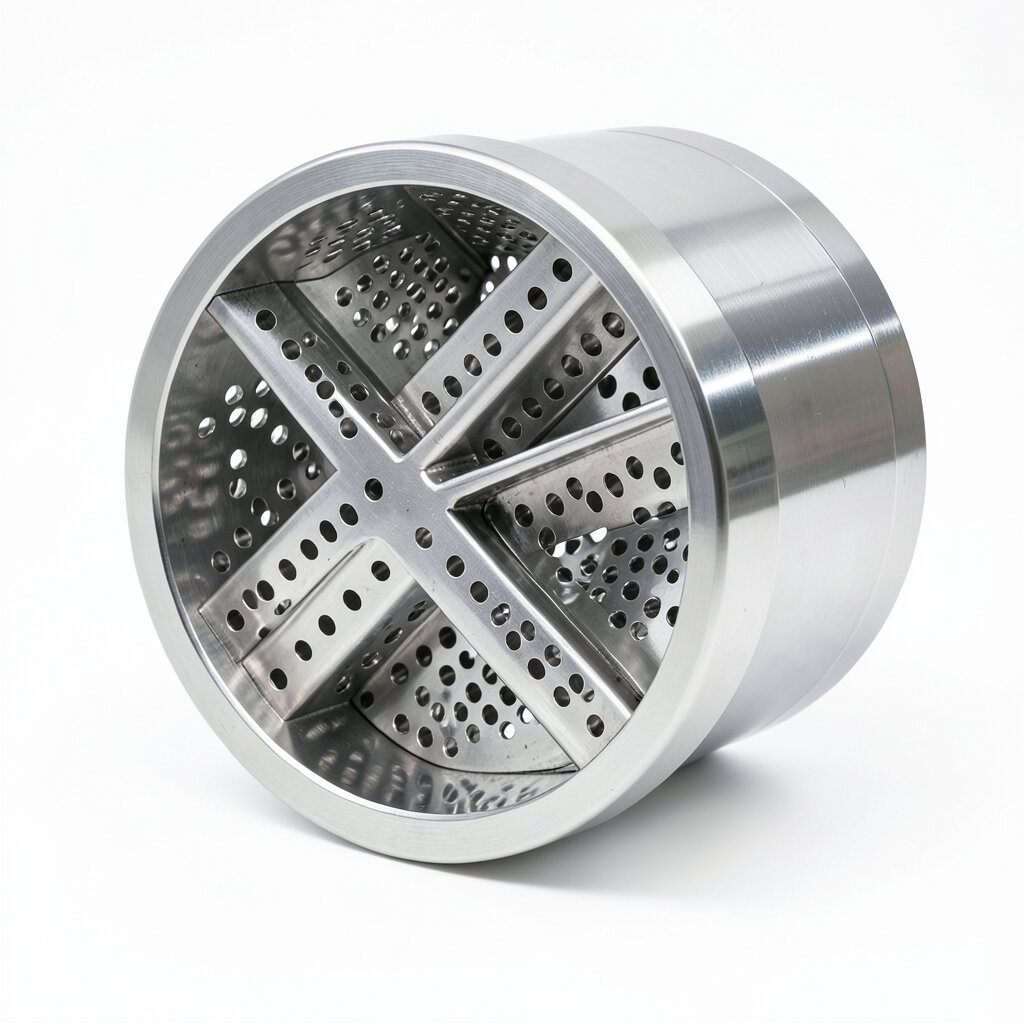
SDB Type — Dual-Perforated
Wide-channel dual plates for dirty and fiber-laden media. Anti-clogging geometry that keeps mixing efficiency in solids service.
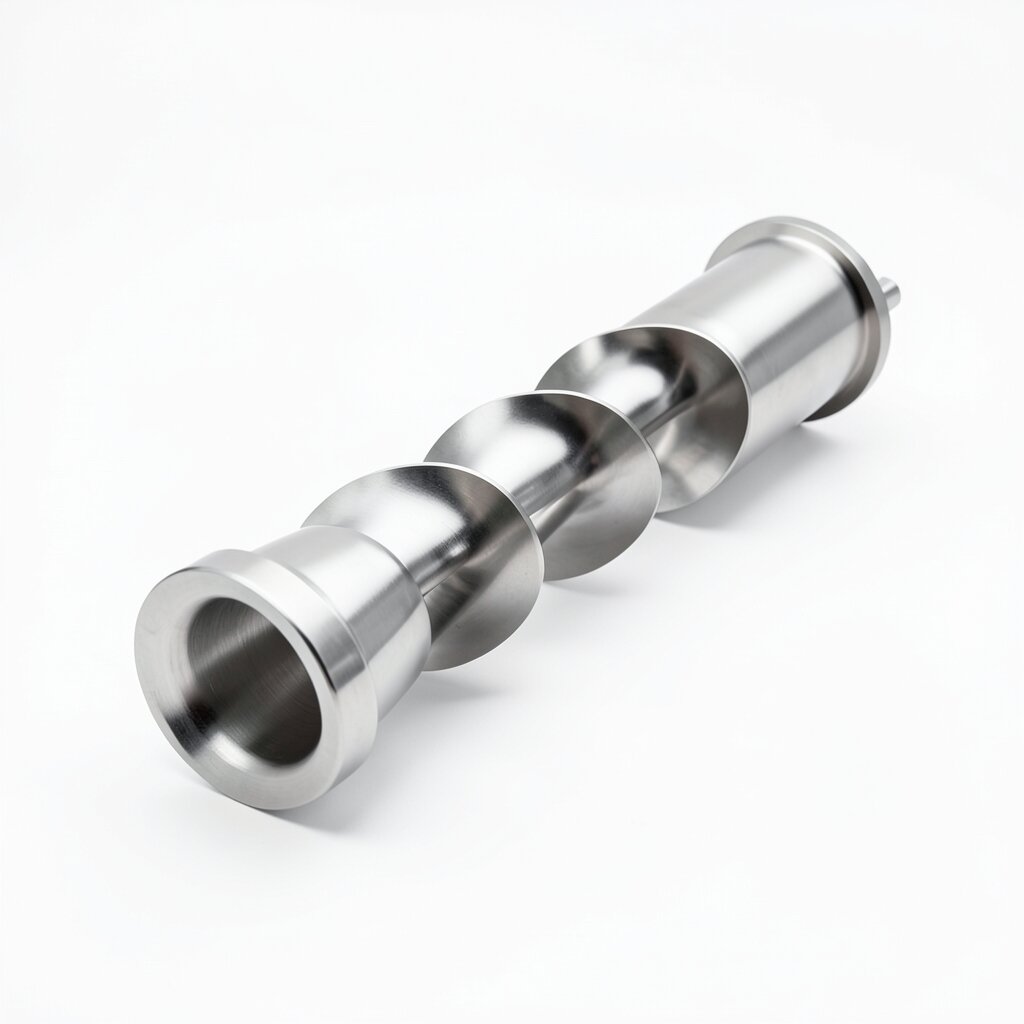
SLB Type — Long Helical
Extended helical elements for minimal pressure loss in gravity-fed and low-energy systems. Gentle blending at the lowest possible ΔP.
Not Sure Which Model?
Use our interactive selection guide to find the right mixer based on your process parameters.
Open Selection GuideWhy Static Mixers
Static mixers have no moving parts. They rely entirely on the fluid's own pressure energy and precisely engineered internal geometries to achieve mixing. This fundamental simplicity translates into four engineering advantages that directly affect your bottom line.
No Moving Parts
Zero wear, zero seal failures, zero motor maintenance. The mixing elements are permanently fixed inside the pipe housing. A static mixer installed in 2020 will perform identically in 2030, assuming compatible materials and proper cleaning.
Continuous Inline Mixing
Installed directly in the pipeline, a static mixer operates continuously without batch cycling. No tanks, no agitator shafts, no drain-down for cleaning between batches. Integration requires only two pipe connections and a support point.
Energy Efficient
The pressure drop across a static mixer (typically 0.01-0.1 MPa) represents the only energy cost. No electric motor, no gearbox, no shaft seal friction. For comparison, a dynamic mixer of equivalent capacity consumes 5-15× more energy.
Reproducible Quality
Every fluid parcel follows the same path through the same geometry. Mixing performance is determined by element design and flow rate—both constant in continuous operation. Batch-to-batch variation is eliminated by physics, not by operator skill.
Industries Served
Static mixers are used wherever two or more fluid streams must be combined uniformly. The specific requirements—viscosity range, hygiene standards, chemical compatibility, pressure rating—vary significantly by industry.
Chemical & Petrochemical
Oil and fuel blending, acid-base neutralization, solvent mixing, polymer reactions. Typical viscosities: 1-5,000 cP. Materials: SS316L, Hastelloy C-276 for aggressive media. View case studies →
Oil & Gas
Crude oil desalting, chemical dosing for corrosion inhibition, heavy fuel oil additive blending. High-viscosity applications (up to 10⁶ cP) require SK type with optional heating jackets. View case studies →
Pharmaceutical
API solution blending, buffer preparation, CIP/SIP compatible installations. GMP requirements mandate SS316L with Ra≤0.8μm internal polish, Tri-Clamp connections, and full material traceability. View case studies →
Food & Beverage
Dairy product texture smoothing (yogurt, cream), syrup blending, vitamin premix dosing into flour. Hygienic design with CIP compatibility, food-grade SS304 or SS316L, Ra≤0.8μm polish. View case studies →
Water Treatment
Coagulant dosing (PAC, ferric chloride), flocculant mixing (PAM), pH adjustment with acid or base, disinfectant dosing (chlorine, ozone). SV type is standard for clean water applications. View case studies →
Environmental
NOx and SOx gas treatment, exhaust gas mixing, industrial wastewater pH correction. Gas-gas mixing typically uses SV type for maximum dispersion efficiency at minimal pressure drop. View case studies →
Engineering-Driven Manufacturing
Every static mixer we produce starts with a process analysis. Before recommending a model, our engineers review your fluid properties (viscosity, density, solids content), operating conditions (flow rate, pressure, temperature), and performance targets (dispersion precision, allowable pressure drop, non-uniformity coefficient).
This analysis determines the element type, number of mixing elements, pipe diameter, and material specification. We then provide a pressure drop calculation and expected mixing performance before you commit to an order.
Custom capabilities include:
- Heating/cooling jackets for temperature-sensitive processes
- Removable mixing elements for inspection and cleaning
- Sanitary polish to Ra≤0.8μm for food and pharma applications
- Special connections: Tri-Clamp, JIC, NPT, ANSI flanges, DIN flanges
- Materials: SS304, SS316L, Carbon Steel, PVC, PP, Hastelloy C-276
- Sizing from DN15 to DN1000, pressure ratings up to 6.0 MPa
Quality Assurance Process
- Material certificate verification (EN 10204 3.1)
- Dimensional inspection of mixing elements (CMM)
- Weld inspection—penetrant testing for critical welds
- Hydrostatic pressure test at 1.5× design pressure
- Surface finish verification (Ra measurement) for hygienic units
- Documentation package: material certs, weld procedures, test reports
Need Help Choosing the Right Static Mixer?
Our engineers will analyze your process conditions and recommend the optimal model, element count, material, and connection type. Send us your parameters and receive a detailed recommendation within 24 hours.