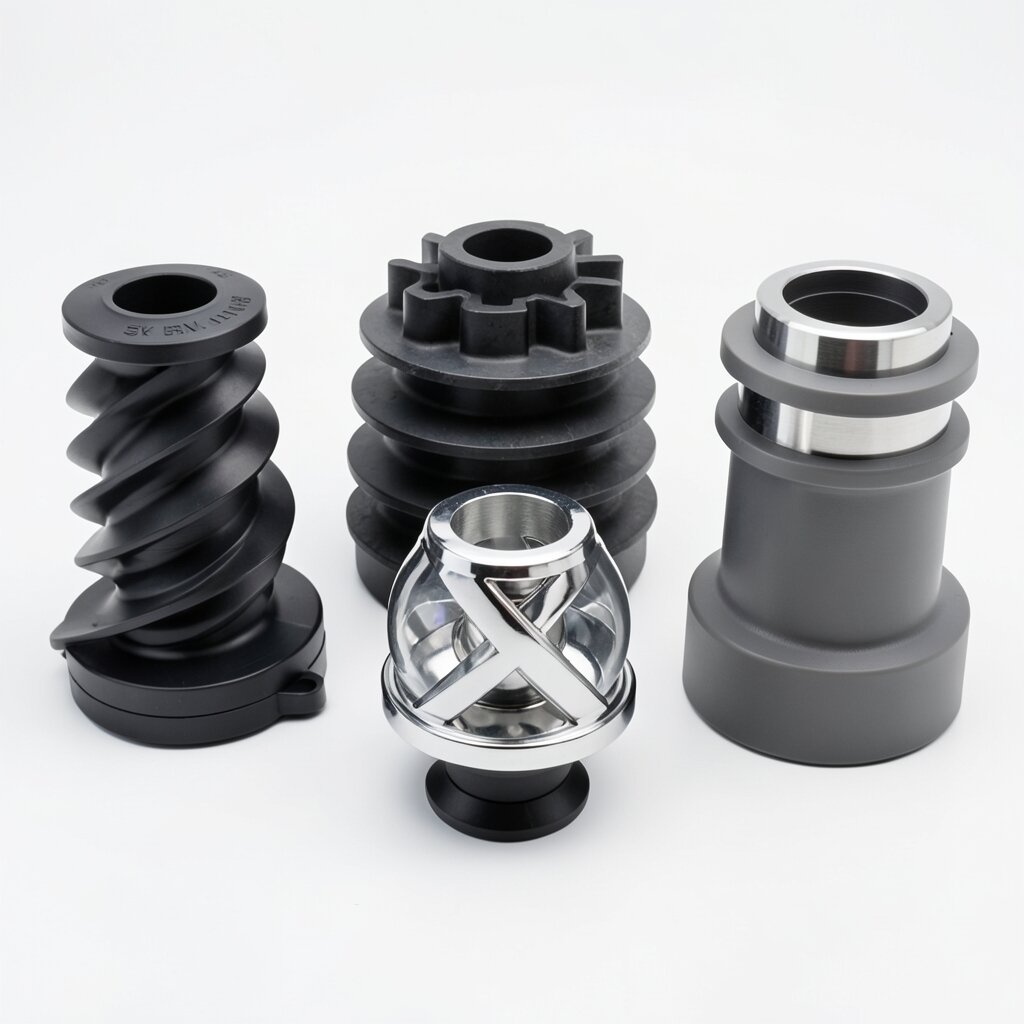
Y-Type Side-Inlet Static Mixer
Wye Side-Entry Mixer
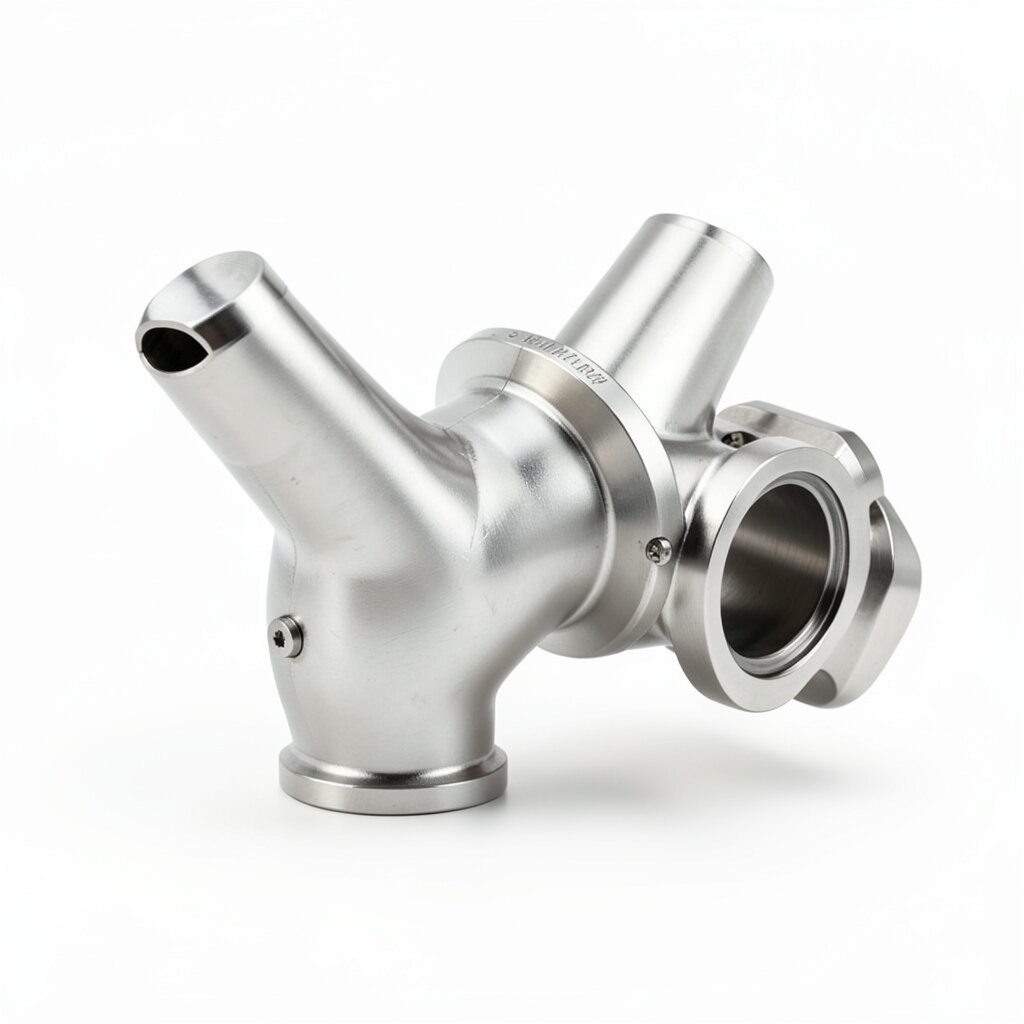
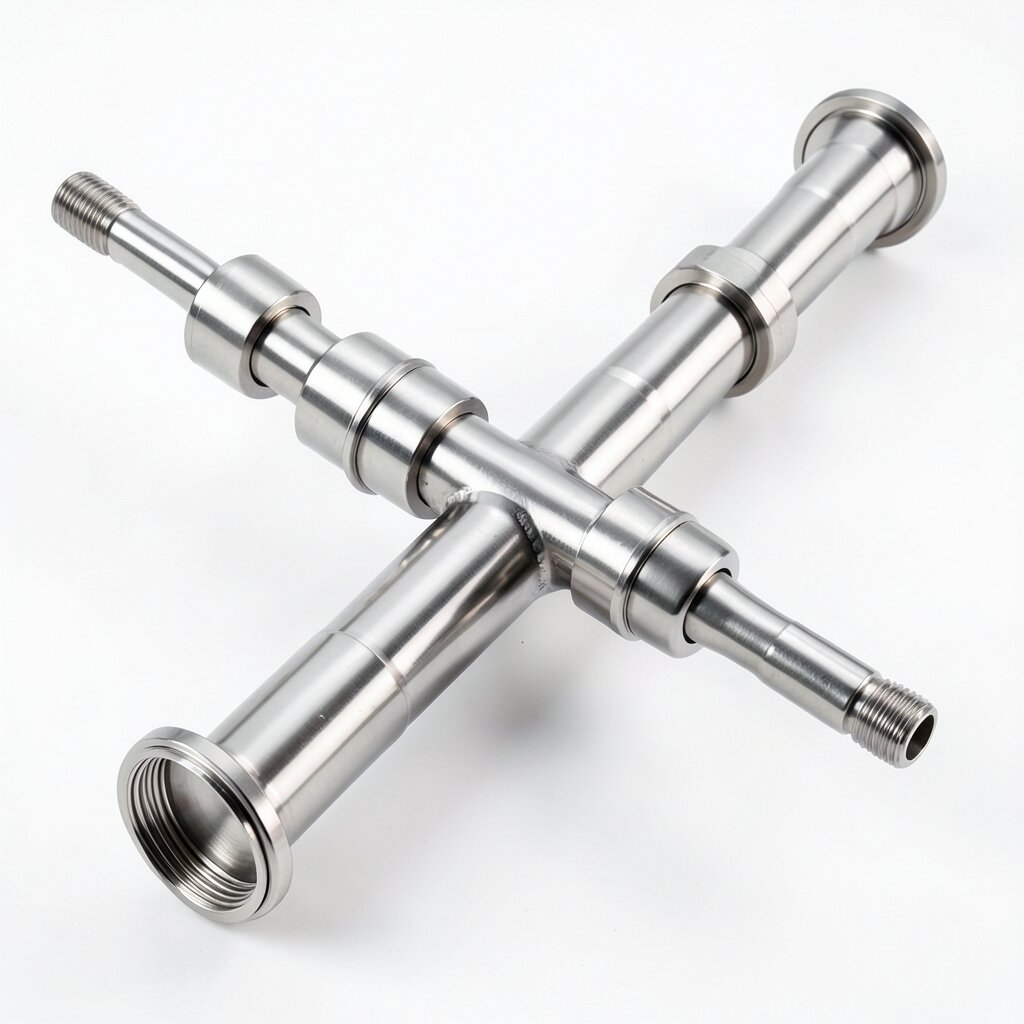
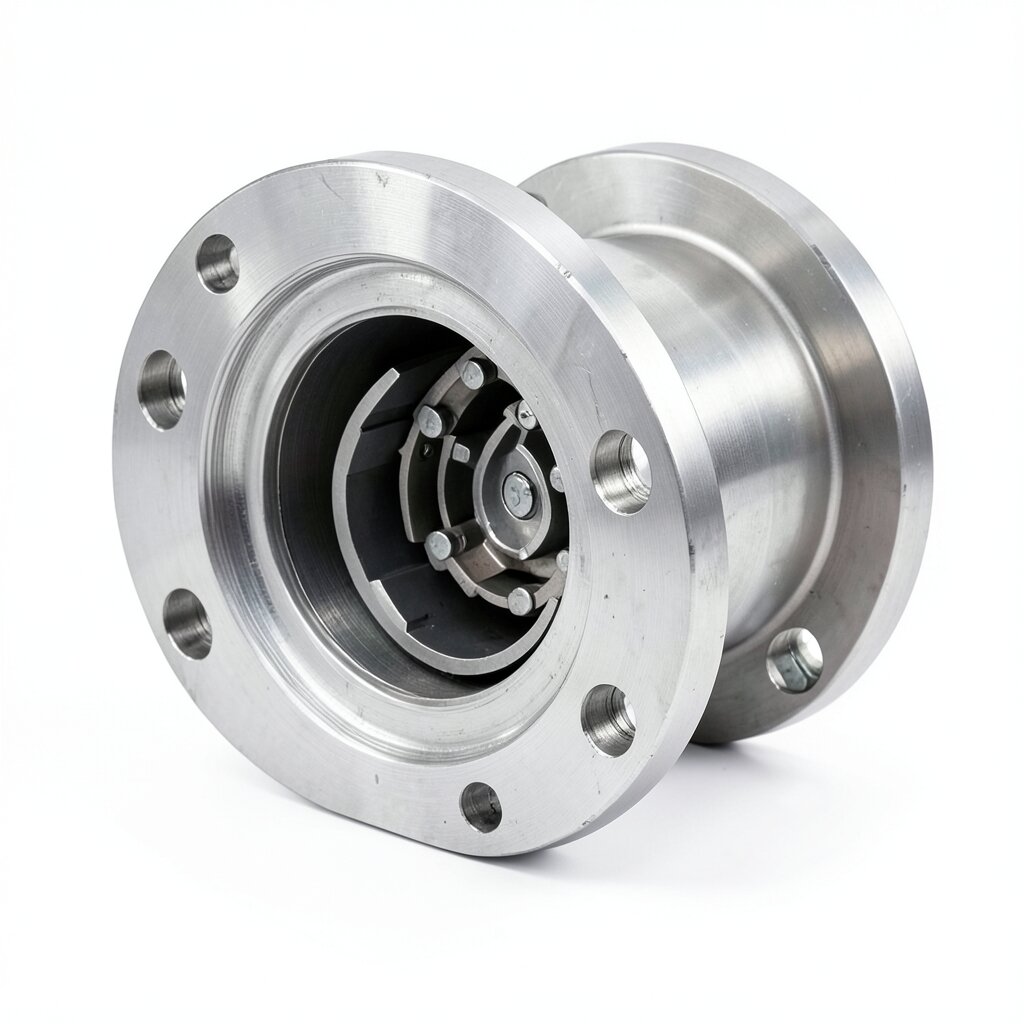
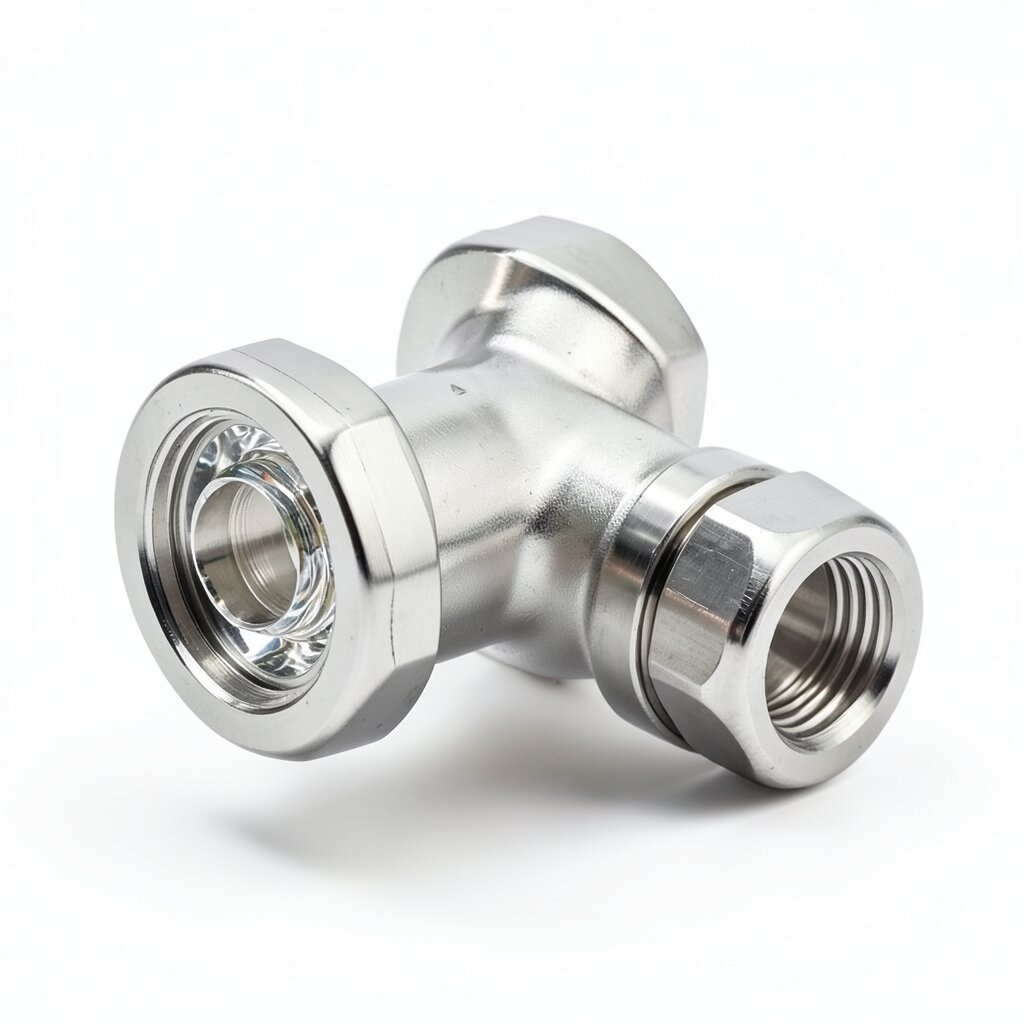
Inline mixer with an integrated Y-type side-entry port — the structural variant that combines the main-line flow element with a single chemical, steam, or gas injection point, eliminating the need for a separate injection quill.
Product Overview
The Y-type side-inlet static mixer is a structural variant in which a single side-entry port is welded to the housing at the upstream end. The side-port is angled to direct the injected stream into the first mixing element, where it is immediately split and folded into the main flow. This eliminates the need for a separate injection quill, a tee fitting, and a length of straight pipe between the tee and the mixer — the entire injection-and-mixing assembly is one unit, factory-built, and factory-tested.
The Y-type design is specified wherever a single secondary stream must be blended into a main stream. The most common applications are chemical dosing (pH-adjustment reagent, coagulant, scale inhibitor, biocide), steam injection (direct steam heating, steam blanketing), and gas injection (ozone, chlorine, ammonia). The integrated port ensures the injected stream is delivered at the right angle, the right velocity, and the right location relative to the first element — performance that a field-fabricated tee-and-pipe assembly cannot match.
The unit is available in flanged, welded, and tri-clamp main-line connections, with the side-port itself in flanged, threaded, or welded configuration depending on the customer's preference. Side-port diameters range from DN15 to DN150, and side-port angles are 30°, 45°, 60°, or 90° measured from the main flow axis. The selection of angle depends on the momentum ratio of the side stream to the main stream, with low-momentum liquids preferring 45° and high-momentum steam preferring 90°.
Design Features
The Y-type mixer housing is a flanged, welded, or tri-clamp pipe spool with a branch connection welded to the shell at the upstream end. The branch is fabricated from a forged or seamless pipe nipple, and the intersection is a full-penetration weld with a reinforcement pad per ASME B31.3. For high-pressure service above PN40, the branch is reinforced with a fabricated saddle or a welded branch-connection fitting rated for the design pressure.
The branch termination is selected for the customer's injection line. Flanged (ANSI B16.5, DIN, or JIS) is the most common because it allows the injection line to be isolated with a valve and the mixer to be flushed through the open port during maintenance. Threaded (NPT or BSP) is used for small-bore DN15-DN40 chemical injection. Welded is used for permanent HP/HT installations.
Inside the housing, the mixing element pack is positioned so the first element sits directly opposite the side-port. This ensures the injected stream is intercepted immediately by the element, with no dead zone where the chemical could pocket and degrade. The element pack is the same as the standard flanged/welded mixer of the same DN, so all five mixing geometries (SV, SK, SX, SH, SL) are available as Y-type.
The side-port angle is selected based on the application. 45° is the default for liquid chemical injection because it provides a good balance between momentum transfer and pressure drop. 90° is used for steam injection into a liquid main because the momentum ratio is high and the 90° entry maximizes the radial dispersion of the steam into the liquid. 30° is used for low-pressure gas injection into a high-velocity gas main, where a shallow angle prevents flow separation at the injection point.
Technical Specifications
| Parameter | Value |
|---|---|
| Main-Line Connection | Flanged, welded, or tri-clamp (per customer spec) |
| Side-Port Connection | Flanged (default), threaded (DN15-40), welded (HP/HT) |
| Side-Port Angle | 30° / 45° / 60° / 90° (45° default) |
| Main-Line Diameter | DN50 to DN1000 (custom larger on request) |
| Side-Port Diameter | DN15 to DN150 (typically 1/3 to 1/2 of main-line DN) |
| Pressure Rating | Up to PN40 (flanged) / PN100 (welded) / PN16 (tri-clamp) |
| Temperature Range | -50°C to +300°C (metallic) / -10°C to +130°C (tri-clamp) |
| Housing Material | SS316L, SS304, Carbon Steel, Hastelloy, PVC, PP |
| Mixing Element | SV / SK / SX / SH / SL — all available |
| Side-Port Velocity | 1.5-3.0 m/s (recommended) |
| Pressure Drop | 0.2-0.6 bar (main) + 0.1-0.3 bar (side-port) |
| Weld Reinforcement | Per ASME B31.3 branch-connection rules |
Frequently Asked Questions
Standard side-port angles are 30°, 45°, 60°, and 90° measured from the main flow axis. 45° is the most common for liquid chemical injection, 90° for steam and gas injection where momentum transfer dominates, and 30° for low-pressure gas injection into a high-momentum main stream.
Yes. The side-port is fitted with a flanged connection (or threaded for DN25 and below) so the operator can isolate the injection line and remove the side-port nozzle for cleaning. For welded units, the side-port is fitted with a flanged stub so the injection line can be unbolted and the mixer flushed through the open port.
The pressure drop of the Y-type mixer is approximately 0.2-0.6 bar at 2 m/s, similar to the equivalent straight-through mixer. The side-port adds a momentum loss at the injection point of 0.1-0.3 bar depending on the side-stream/main-stream flow ratio. The total pressure drop should be calculated for the worst-case main-stream flow and the maximum side-stream injection rate.
The recommended side-stream injection velocity is 1.5-3.0 m/s, which gives a momentum ratio (side/main) of 0.1-0.5 for typical chemical dosing and 1.0-3.0 for steam injection. Higher momentum ratios improve mixing but increase the side-port pressure drop; lower ratios reduce the mixing efficiency of the first element.
Related Products