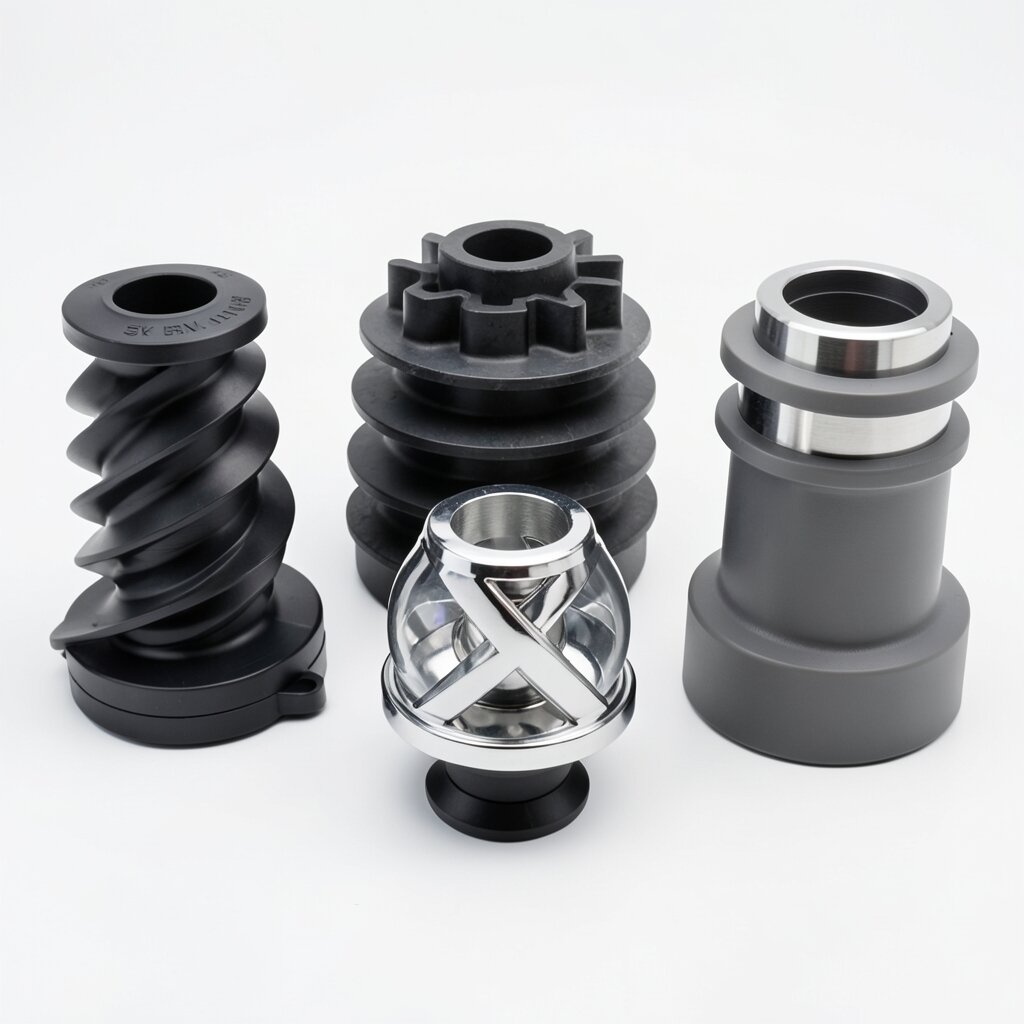
Tri-Clamp Static Mixer
Sanitary Clamp Inline Mixer
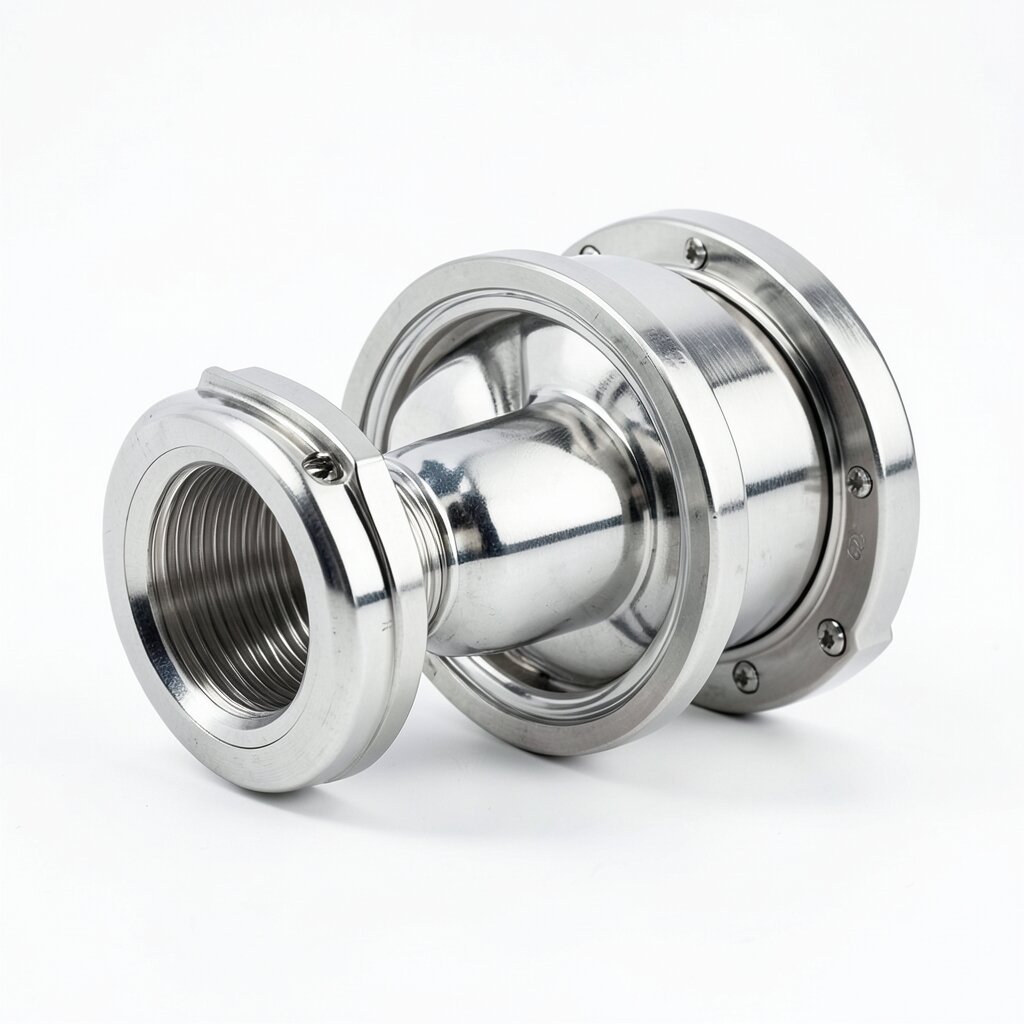
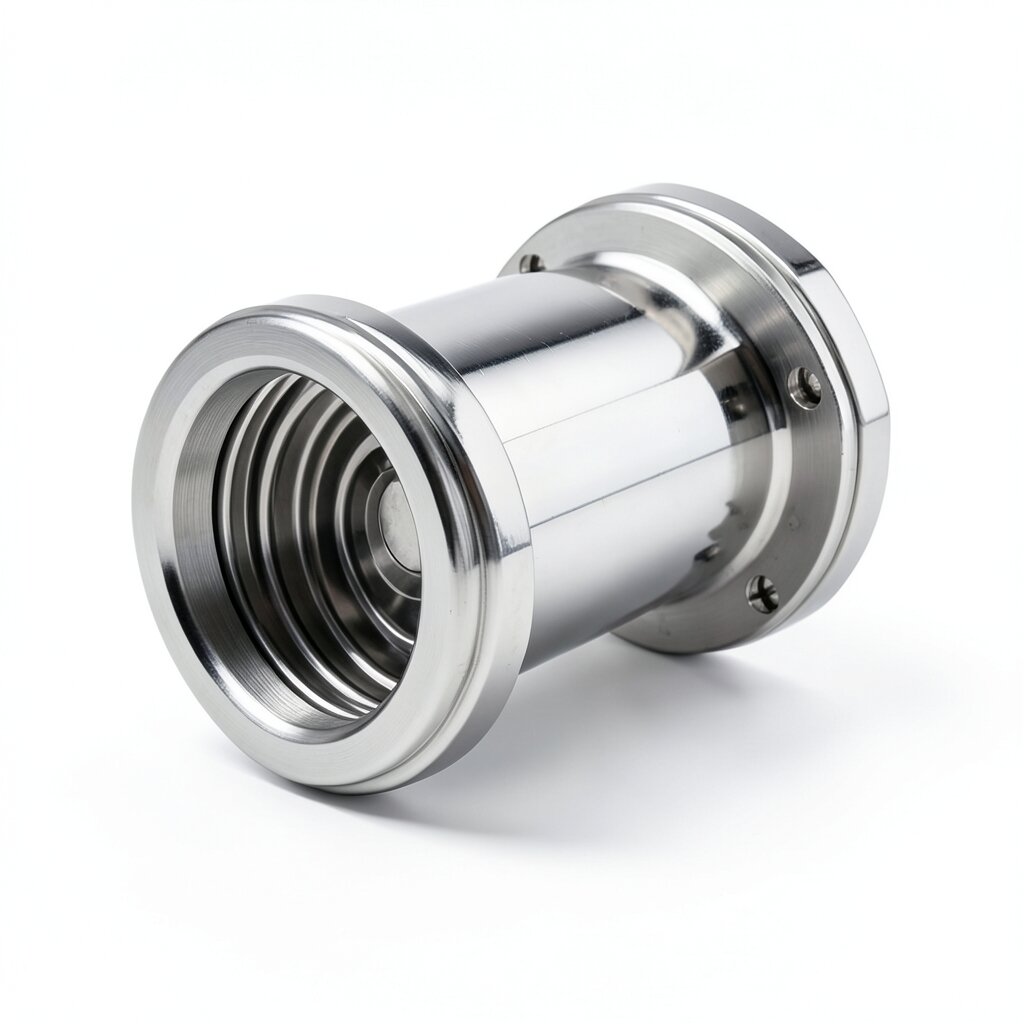
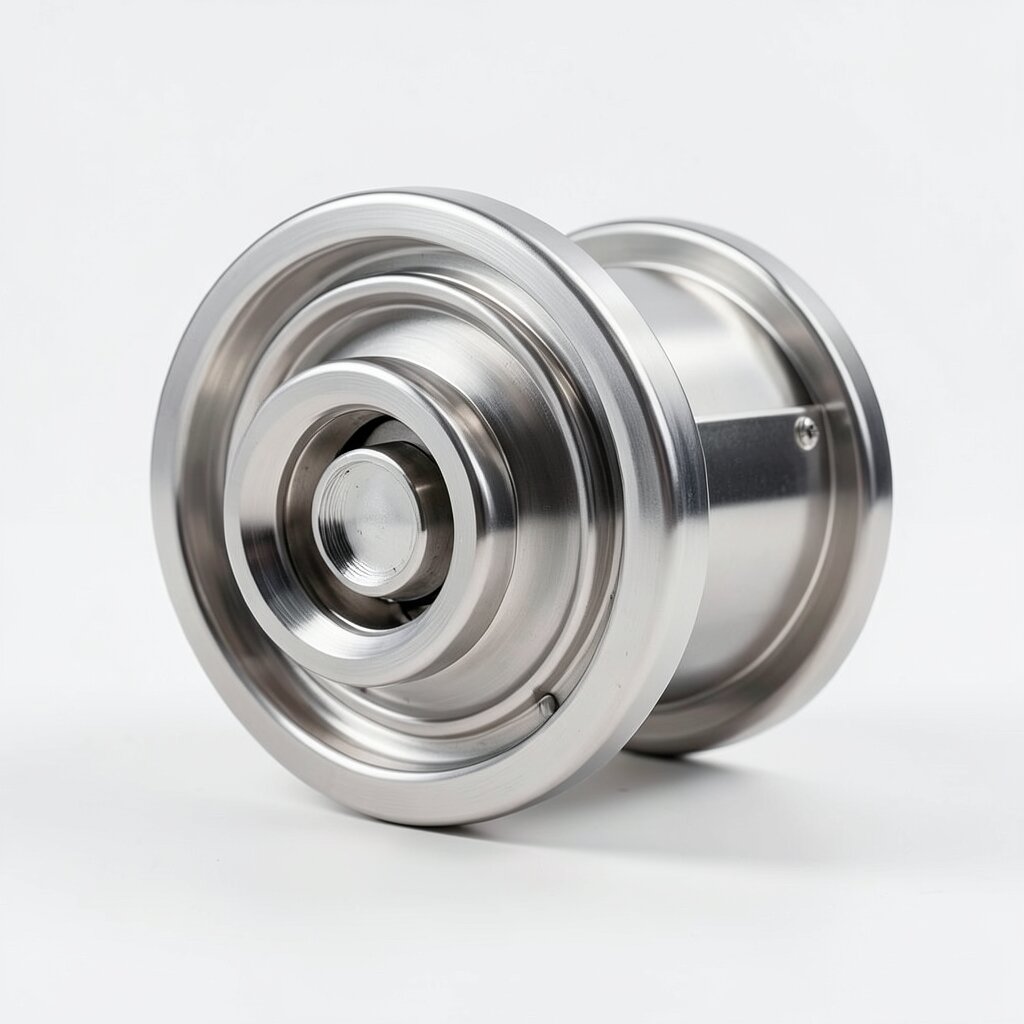
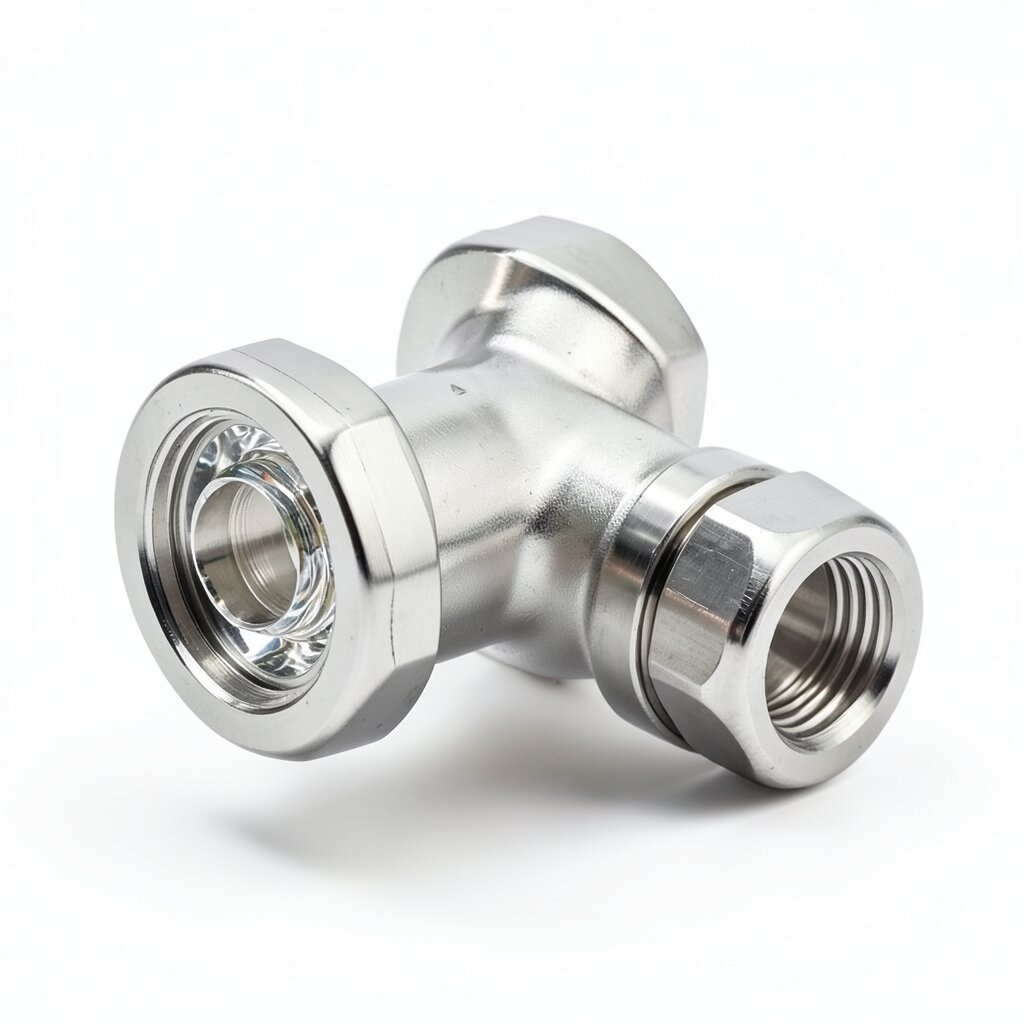
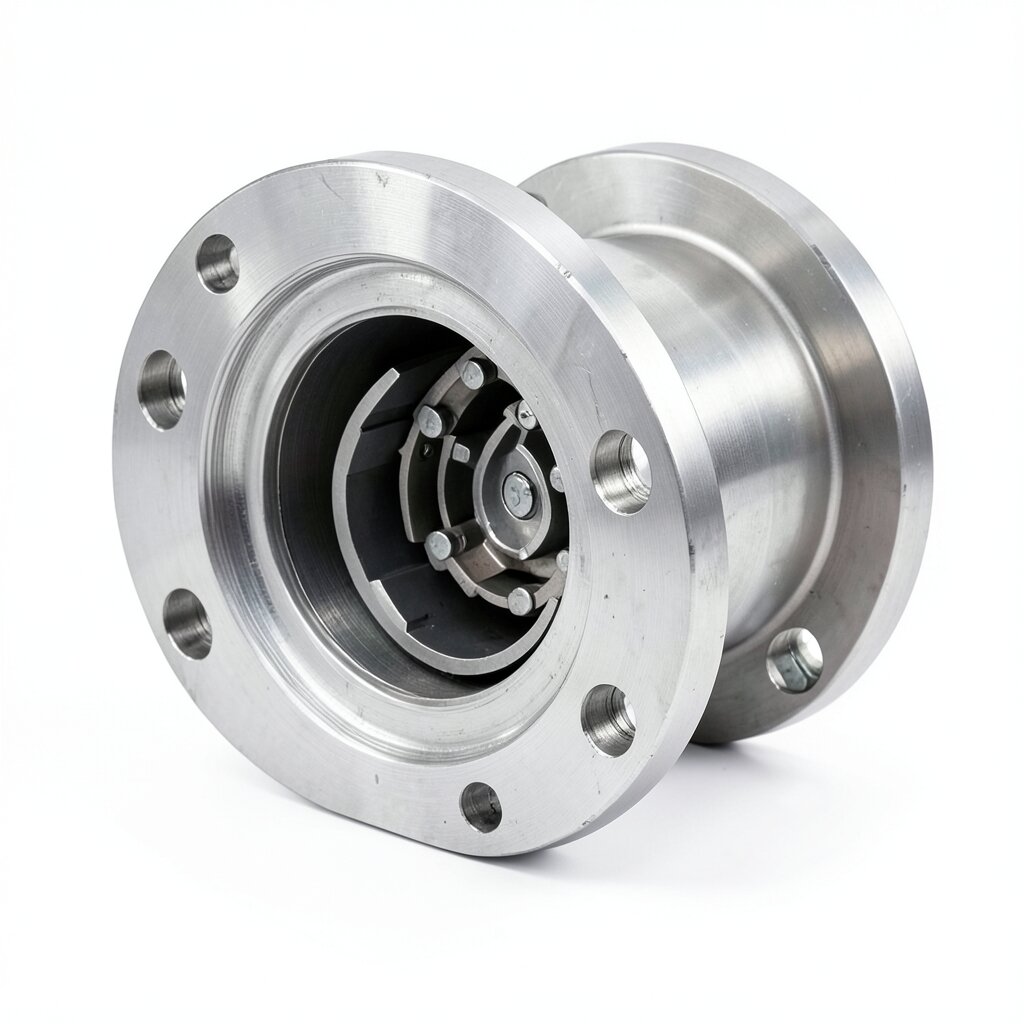
Sanitary clamp-end inline mixer for CIP-cleaned lines — the structural variant of choice for pharmaceutical, biotech, dairy, beverage, and food processing where the line must be drained and cleaned between batches.
Product Overview
The tri-clamp static mixer is the sanitary structural variant. It uses two polished ferrule ends machined to ISO 2852 (metric), DIN 32676 (European), or ASME BPE (US sanitary) standard, joined by a single tri-clamp. The mixer drops into a sanitary line in the same way as any other process fitting — elbow, tee, instrument tee, or pump — and is removed in seconds by releasing one clamp. This makes it the natural choice for validated multi-product facilities, where the same line is used for several active ingredients and must be cleaned to a documented standard between batches.
The wetted surface is mechanically polished to Ra ≤ 0.8 μm (32 μin) as standard, with electropolishing available to bring the finish to Ra ≤ 0.4 μm for bioprocess and gene-therapy service. The surface is also crevice-free: there are no threaded joints, no socket-weld gaps, and no flanged gasket faces that could harbor residual product. The mixer is fully drainable in the vertical orientation, which is mandatory for aseptic service.
Inside the housing, the mixing element is one of the ywmixing geometries selected for low-μ, clean-fluid service. SV plate technology is the most common for fine chemical and biotech blending; SK helical is the default for buffer and media preparation; SX cross-bar is used where mid-viscosity applications demand a more open geometry. The element pack is removable for inspection and cleaning, and the housing is autoclave-safe to 130°C.
All wetted materials are documented for FDA and USP compliance. The housing is SS316L with a low-carbon content (≤ 0.030%) and a documented ferrite content for weldability. EPDM gaskets are USP Class VI tested and supplied with a lot-traceable certificate. The mixer is delivered with a 3.1 material certificate, a surface-finish report, and a passivation certificate per ASTM A967.
Design Features
The tri-clamp mixer housing is a solid SS316L forging or bar with two ferrule ends machined to the customer-specified standard. The ferrules are dimensioned to the published ISO 2852 / DIN 32676 / ASME BPE tables, with a 32 μin (Ra ≤ 0.8 μm) finish on the wetted surface and a 64 μin finish on the outside diameter. The internal bore is machined and polished to the same finish, with no sharp corners at the ferrule-to-bore transition.
The mixing element is captured inside the housing by a clamp ring at each end. The clamp ring is itself a tri-clamp ferrule, but it sits inside the housing and is held by an internal shoulder. To remove the element, the operator releases the two external tri-clamps, slides the mixer out of the line, opens the housing by removing the internal clamp ring, and lifts out the element pack. The procedure takes under five minutes and exposes the element for visual inspection or lab analysis.
All wetted surfaces are passivated per ASTM A967 (citric acid or nitric acid), with a final rinse of WFI (water for injection) for pharmaceutical service. The mixer is then double-bagged in a cleanroom and shipped in a sealed poly bag inside a cardboard carton. The Class 100 cleanroom packaging is required for bioprocess and gene-therapy customers and is included as standard for that segment.
The mixer housing is ASME BPE compliant for the dimensional and surface-finish requirements. For European pharma, it is manufactured to the EHEDG document 8 (hygienic equipment design) and is 3-A Sanitary Standard 18-03 certified for the food and dairy segments. Material traceability is full: 3.1 MTR for the housing, 2.2 test report for the gasket, and 3.1 for the element pack.
Technical Specifications
| Parameter | Value |
|---|---|
| Connection Standard | Tri-clamp per ISO 2852, DIN 32676, ASME BPE, BS 4825-3 |
| Pipe Diameter Range | DN15 (1/2") to DN150 (6") |
| Pressure Rating | PN16 (10 bar at 25°C) for SS316L standard |
| Temperature Range | -10°C to +130°C (EPDM gasket) / -20°C to +200°C (PTFE gasket) |
| Housing Material | SS316L (≤ 0.030% C, ASTM A479) — forged or bar |
| Mixing Element | SV plate, SK helical, or SX cross-bar — all SS316L |
| Surface Finish (Wetted) | Ra ≤ 0.8 μm mechanical (default) / Ra ≤ 0.4 μm electropolish (option) |
| Gasket | EPDM USP Class VI (default), FKM, PTFE, Silicone |
| Certifications | ASME BPE, 3-A 18-03, EHEDG Doc 8, FDA 21 CFR, USP Class VI |
| Passivation | ASTM A967 (citric or nitric acid) — WFI rinsed |
| Packaging | Cleanroom double-bag (Class 100), outer carton |
| Documentation | 3.1 MTR, surface-finish report, passivation cert, gasket cert |
Frequently Asked Questions
Standard ferrule drillings include ISO 2852 (metric), DIN 32676 (European), ASME BPE (US sanitary), and BS 4825-3 (UK). Ferrule sizes 1/2" through 6" are stocked. All ferrules are machined to the same OD as the corresponding tube-fitting ferrule so the mixer drops in between two standard tri-clamp joints.
The default wetted surface finish is Ra ≤ 0.8 μm (32 μin) mechanically polished, with electropolishing as an option for bioprocess service. ASME BPE surface finish codes SF1 (Ra ≤ 0.51 μm) and SF4 (Ra ≤ 0.38 μm) are available for the most demanding biotech and gene-therapy applications.
Yes. The internal geometry is fully drainable and the polished surface is rated for CIP at 80-95°C with 1-3% NaOH followed by 1% HNO3. Typical CIP velocity is 1.5-2.0 m/s, and the mixer's pressure drop is below 0.3 bar at CIP flow so the CIP pump can supply the whole loop without re-pressing.
Standard gasket is EPDM (per USP Class VI, FDA 21 CFR 177.2600, and 3-A Sanitary Standard 18-03). FKM (Viton) is used for solvent service. PTFE gaskets are available for the most aggressive chemicals, and silicone gaskets for high-temperature CIP up to 130°C. All gaskets are supplied with lot-traceable certificates.
Related Products