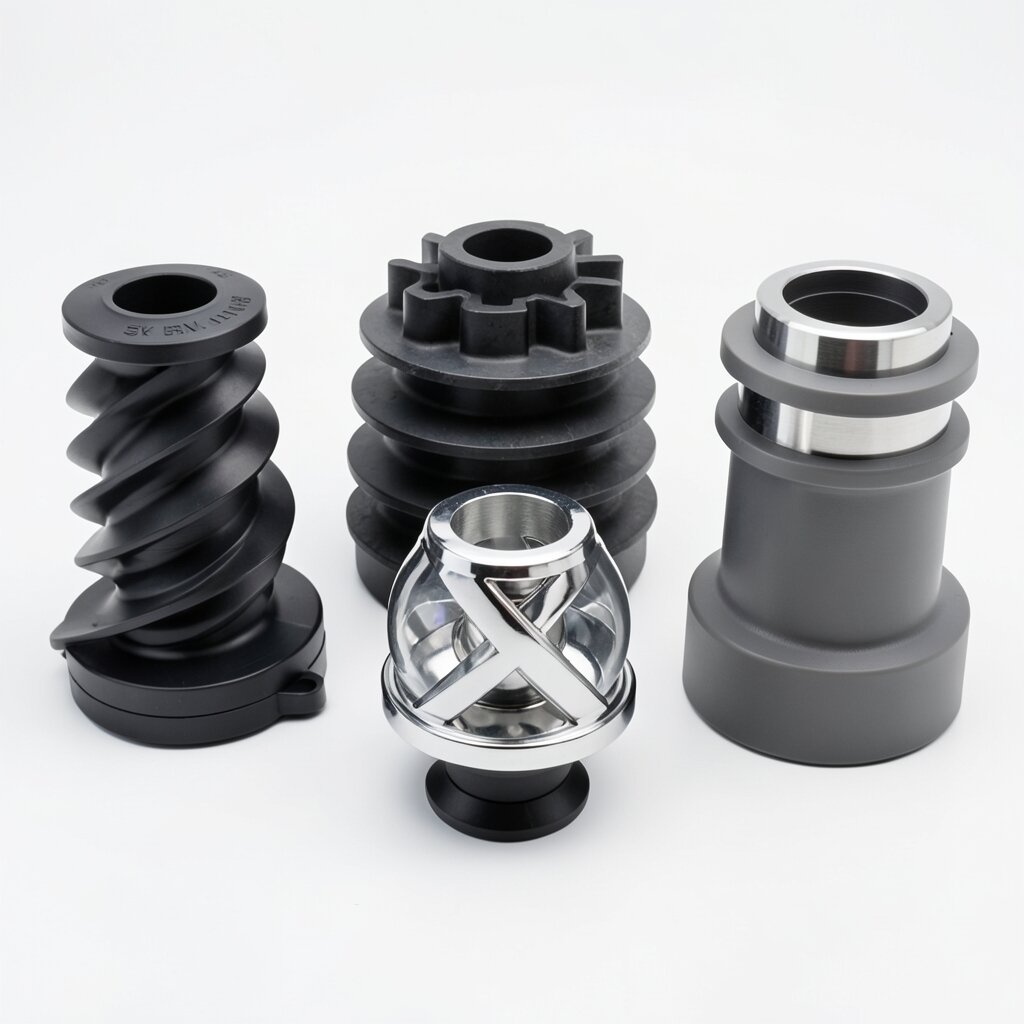
Multi-Side-Inlet Static Mixer
Multi-Port Chemical Injection Mixer
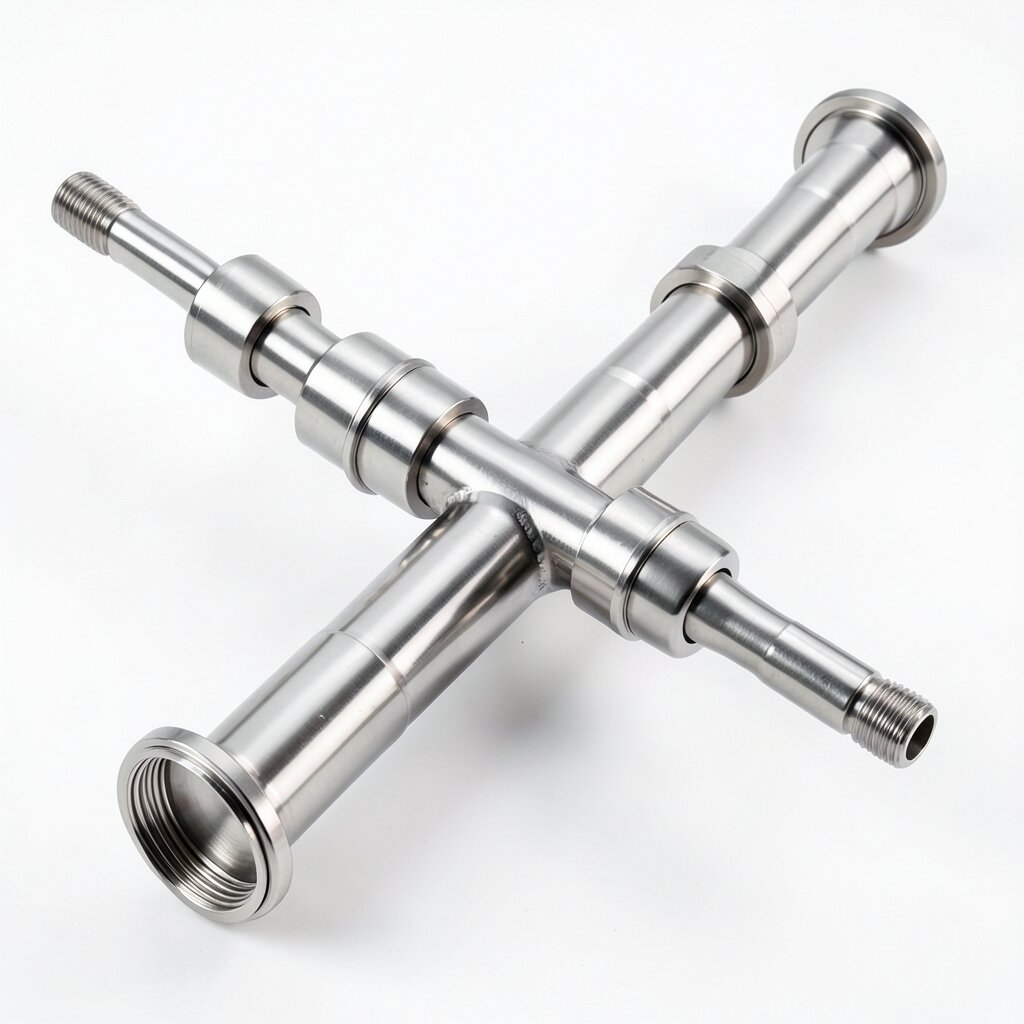
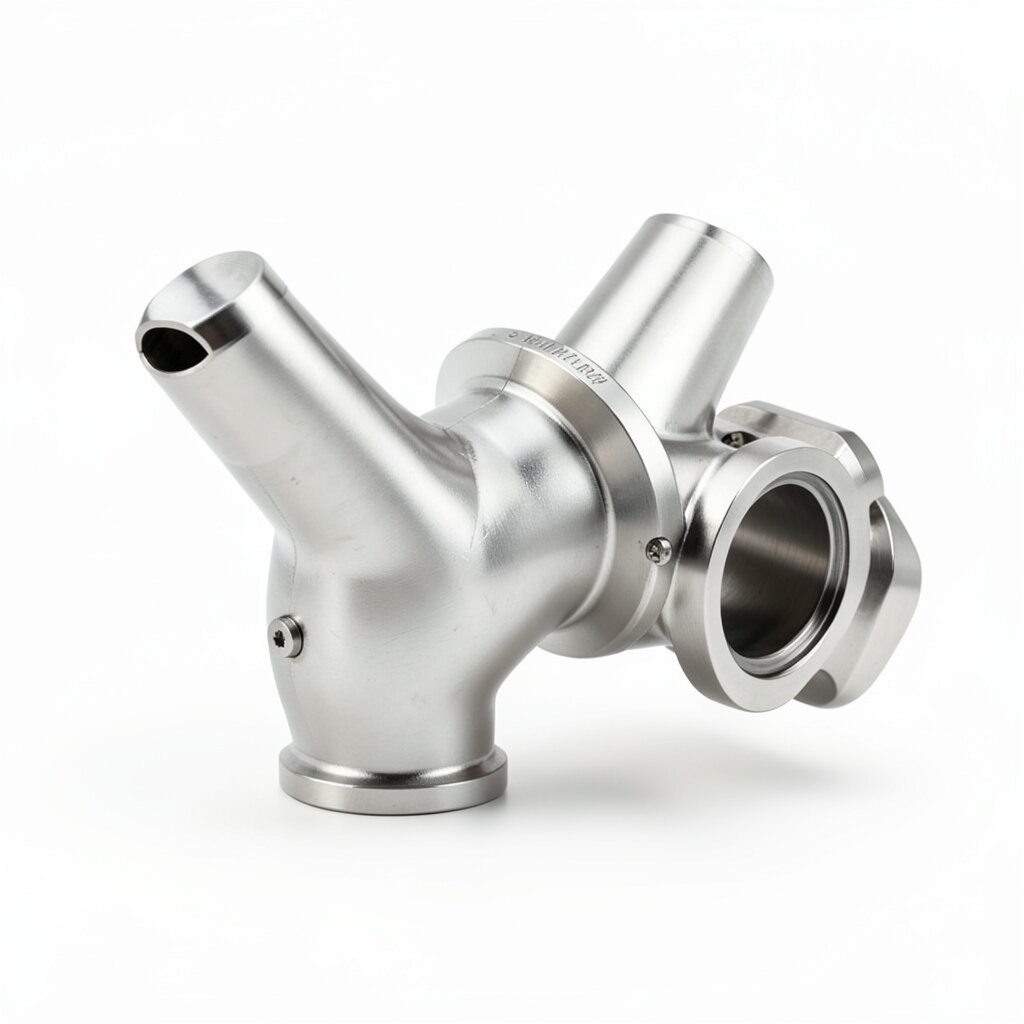
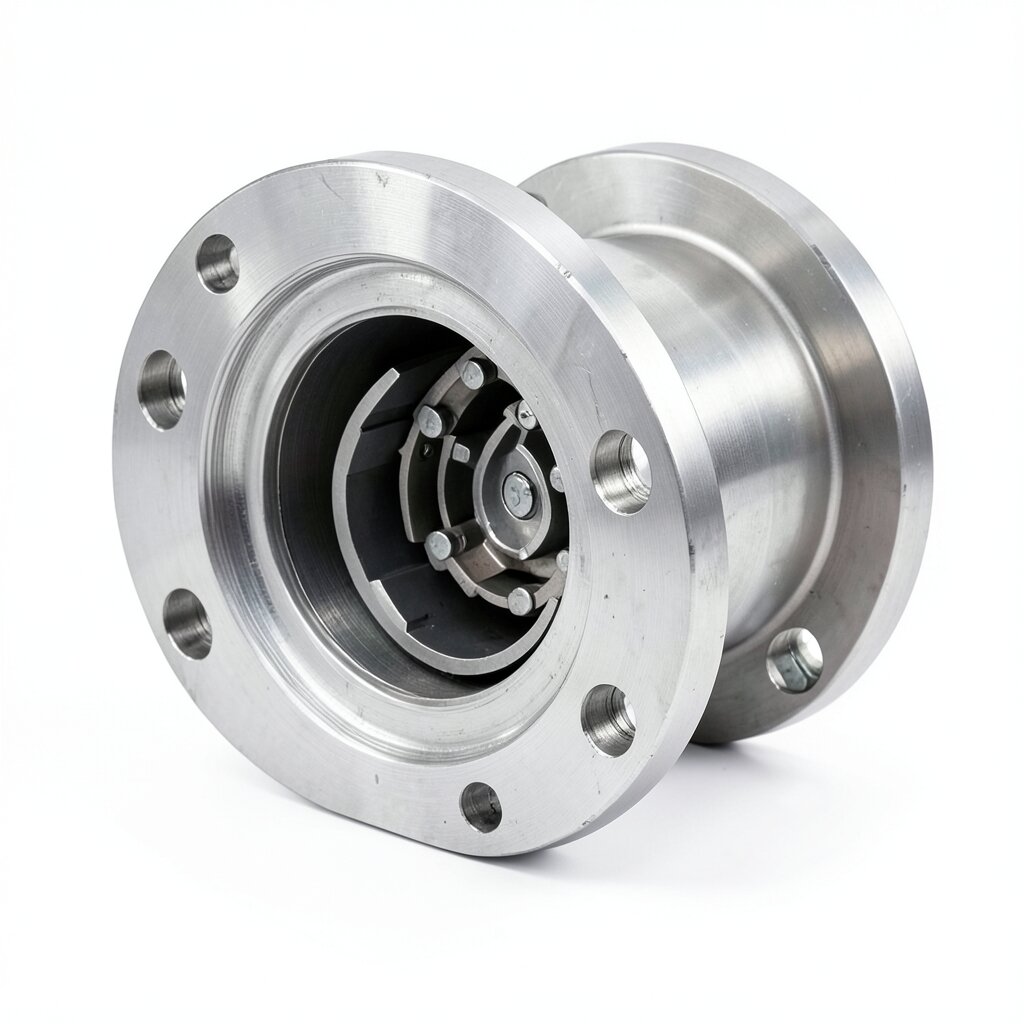
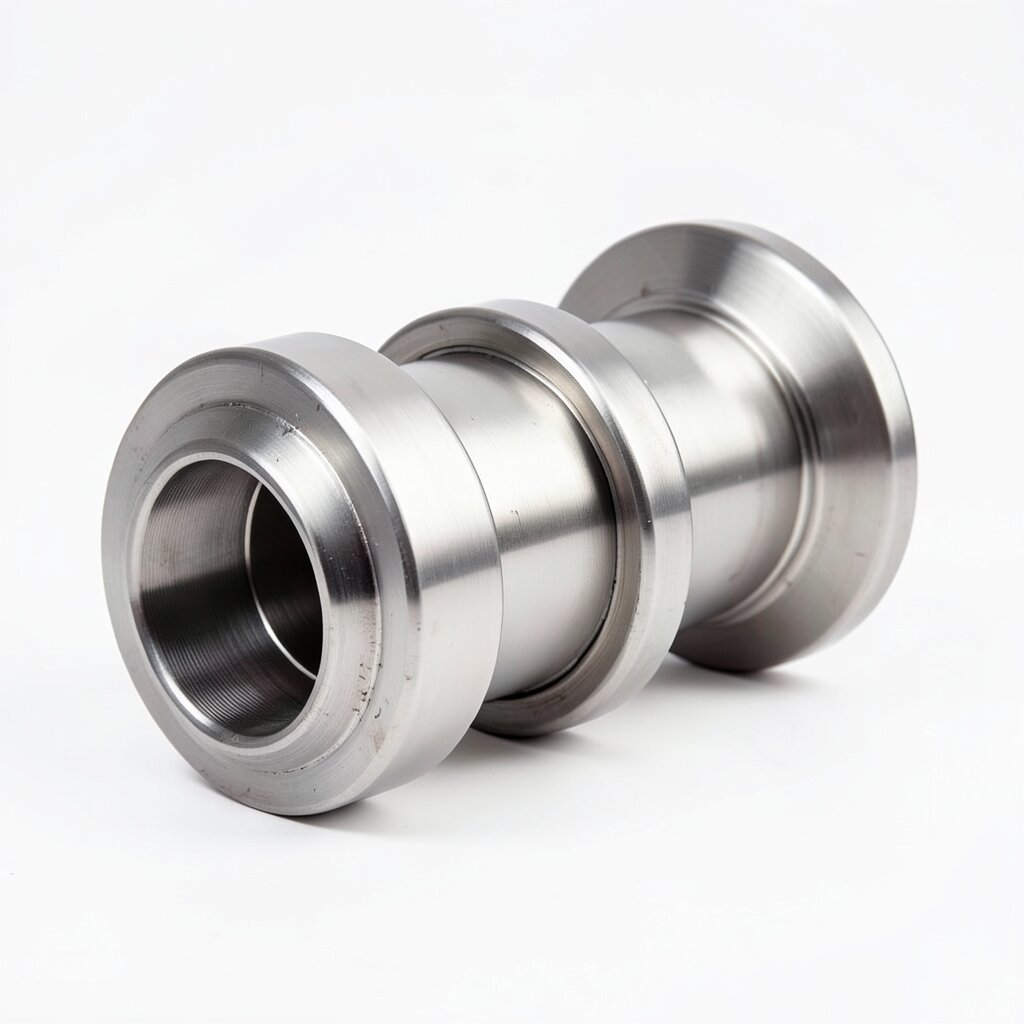
Inline mixer with 2-6 integrated side-entry ports — the structural variant for multi-chemical dosing and staged reactions, where each reagent is injected into a different element of the mixing pack inside a single housing.
Product Overview
The multi-side-inlet static mixer is an extension of the Y-type concept: instead of one side-port, the housing carries two to six ports distributed along its length and around its circumference. Each port is positioned to inject its reagent into a different element of the mixing pack, so the reagents are added in sequence — just as they would be in a series of Y-type mixers separated by pipe spools — but contained in a single pressure vessel. The result is a compact, factory-tested unit that replaces a long train of tee-fitting + pipe-spool + mixer assemblies.
The multi-inlet mixer is the natural choice for processes that need to add several reagents in a defined sequence: pH adjustment (acid then caustic), wastewater treatment (coagulant + flocculant + pH adjuster), cooling-water dosing (biocide + scale inhibitor + corrosion inhibitor), and emulsion polymerization (monomer + initiator + surfactant). Each reagent is injected into a different element, so the previous reaction or addition has time to progress before the next reagent is added.
The standard unit is built with 2, 3, 4, 5, or 6 ports. The ports can all be the same size and angle, or they can be individually sized for the specific flow rate and pressure of the reagent. The mixing element pack is sized to provide enough residence time between ports for the upstream reagent to fully mix before the next reagent is added. The standard is 2-3 elements between ports, giving a residence time of 0.2-1.0 seconds at 1-2 m/s main-stream velocity.
The multi-inlet mixer is available in flanged, welded, and tri-clamp main-line connections. The side-ports are typically flanged (so each chemical line can be isolated by a valve) or threaded (for small-bore DN15-DN40 lines). For high-pressure service, all ports are welded. The housing is SS316L as standard, with other materials available for special chemical compatibility.
Design Features
The multi-inlet housing is a long cylindrical shell with multiple branch connections welded along its length. The branches are positioned at 90° intervals around the circumference (so adjacent ports do not interfere with each other) and 1-3 elements apart along the length (so the upstream reagent is fully dispersed before the next reagent is added). For a 4-port unit, the ports are typically at the 12, 3, 6, and 9 o'clock positions; for a 6-port unit, they are at 60° intervals.
Each branch is reinforced with a saddle plate or a forged branch-connection fitting per ASME B31.3. The reinforcement area is calculated to handle the hoop stress in the main shell around the branch opening, and the welds are full-penetration with radiographic examination. For high-pressure service, the reinforcement is also checked for fatigue per the same code, with a fatigue life of 10⁶ cycles minimum.
Inside the housing, the mixing element pack is divided into stages. Each stage consists of 2-3 elements (for SV plate, SK helical, or SX cross-bar technology) and is positioned to receive the next reagent at its upstream end. The stages are mechanically separated by spacer rings, so the reagents do not back-mix between stages. The total number of elements is calculated from the overall mixing requirement: typically 8-12 elements for a 3-port unit, 12-18 for a 6-port unit.
Each port is labeled with a stainless steel tag indicating the port number, the reagent it should carry, and the maximum allowable flow rate. The tags are laser-etched to survive CIP and outdoor exposure. A process flow diagram (PFD) is supplied with the unit showing the recommended port assignment, the reagent sequence, and the expected mixing precision at the outlet.
Technical Specifications
| Parameter | Value |
|---|---|
| Main-Line Connection | Flanged, welded, or tri-clamp (per customer spec) |
| Side-Port Connection | Flanged (default), threaded (DN15-40), welded (HP/HT) |
| Number of Side-Ports | 2 to 6 (standard) — 7+ on request |
| Port Angles | 30° / 45° / 60° / 90° (per port, individually selected) |
| Main-Line Diameter | DN80 to DN1000 (custom larger on request) |
| Side-Port Diameter | DN15 to DN150 (per port, individually selected) |
| Pressure Rating | Up to PN40 (flanged) / PN100 (welded) / PN16 (tri-clamp) |
| Temperature Range | -50°C to +300°C (metallic) / -10°C to +130°C (tri-clamp) |
| Housing Material | SS316L, SS304, Carbon Steel, Hastelloy, Duplex 2205 |
| Mixing Element Stages | 2-3 elements per stage, 8-18 elements total |
| Branch Reinforcement | Saddle plate or forged branch-connection fitting (B31.3) |
| Port Tagging | Laser-etched SS tag per port (reagent, max flow) |
Frequently Asked Questions
The standard configuration supports 2 to 6 side-ports. Each port is positioned 90° around the housing and 1-3 elements downstream of the previous port, so each reagent is injected into a different stage of the mixing pack. Above 6 ports, the housing becomes uneconomical and the multi-inlet concept gives way to staged mixers in series.
Yes. Each port is engineered independently, with its own size (DN15-DN150), connection (flanged, threaded, welded), angle (30°-90°), and material. This is useful when the injected chemicals have different flow rates, different pressures, and different compatibility requirements with the housing material.
A 3-port unit is typical for pH adjustment with two reagents (acid + caustic) plus a coagulant. A 4-port unit adds a flocculant or scale inhibitor. A 5-6 port unit is used in wastewater treatment where multiple reagents (acid, caustic, coagulant, flocculant, polymer, antifoam) are added in sequence.
A multi-inlet mixer places all injection points in a single housing, sharing the same pressure-containing shell. Staged mixers in series use multiple housings separated by pipe spools, which is more flexible (different housings for different chemistries) but more expensive (more flanges, more pipe, more installation labor). The multi-inlet unit is preferred when the reagents are compatible with the same housing material.
Related Products