Threaded Static Mixer
NPT/BSP Threaded Inline Mixer
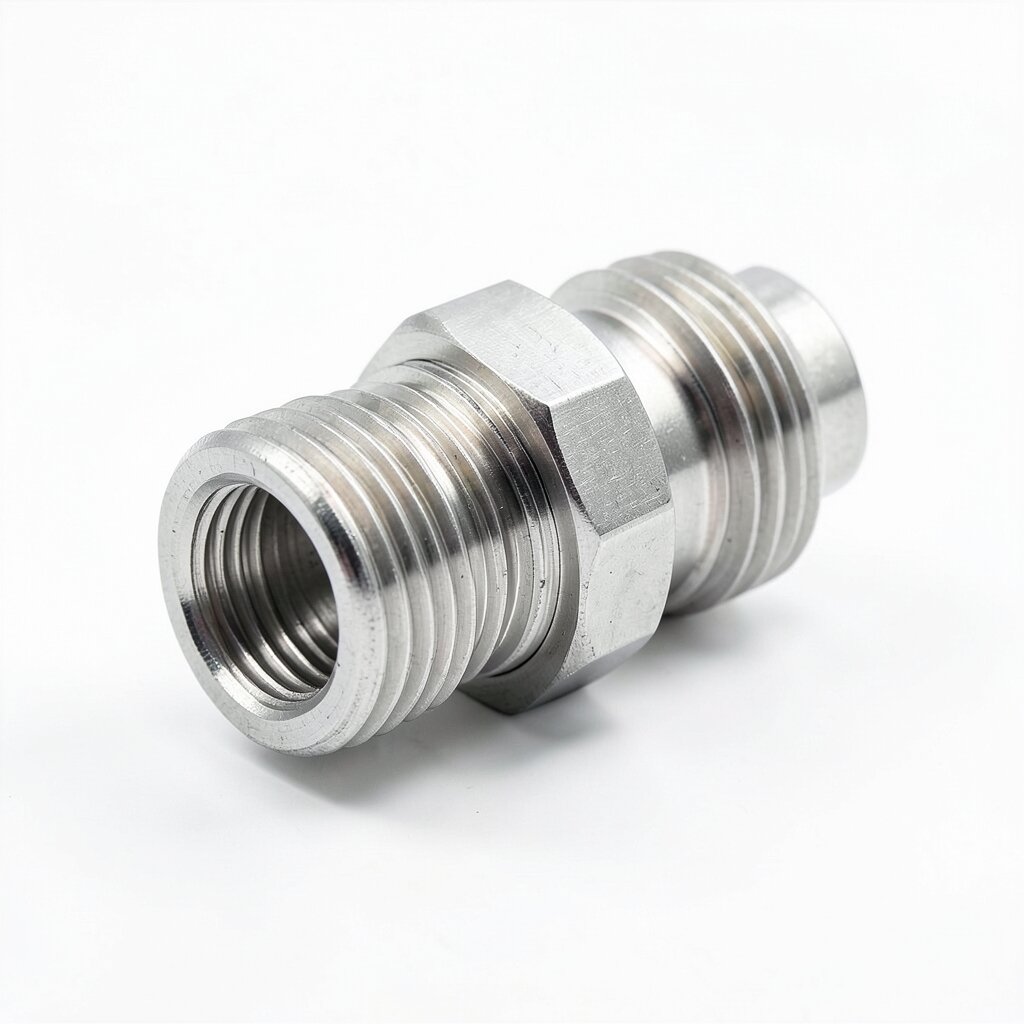
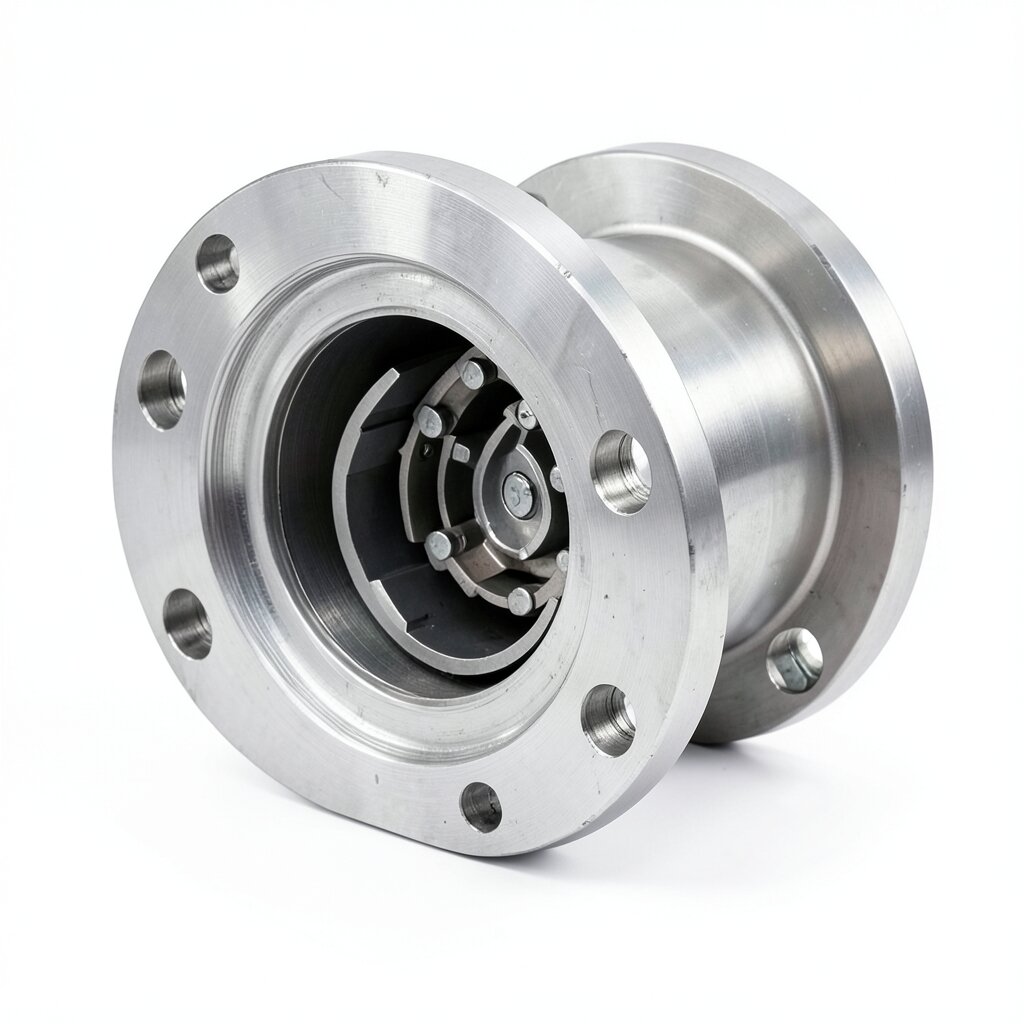
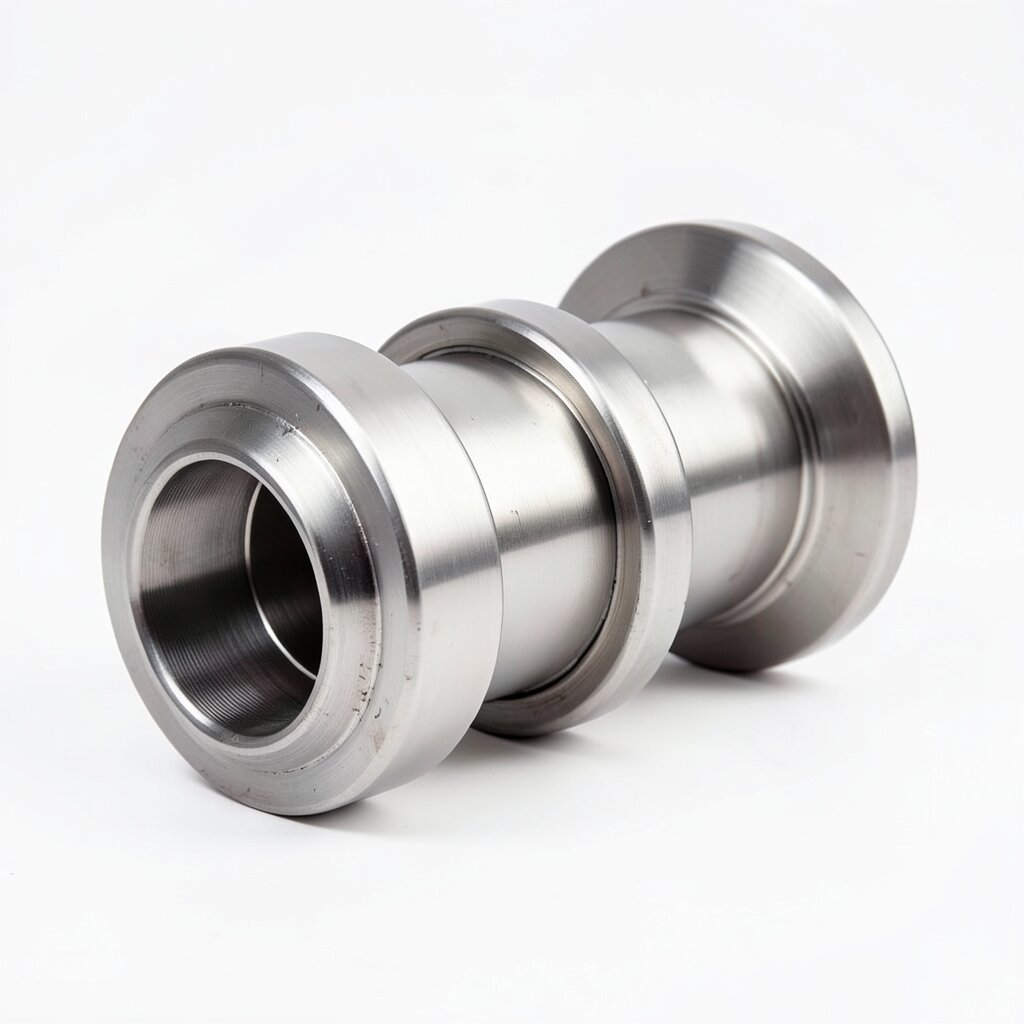
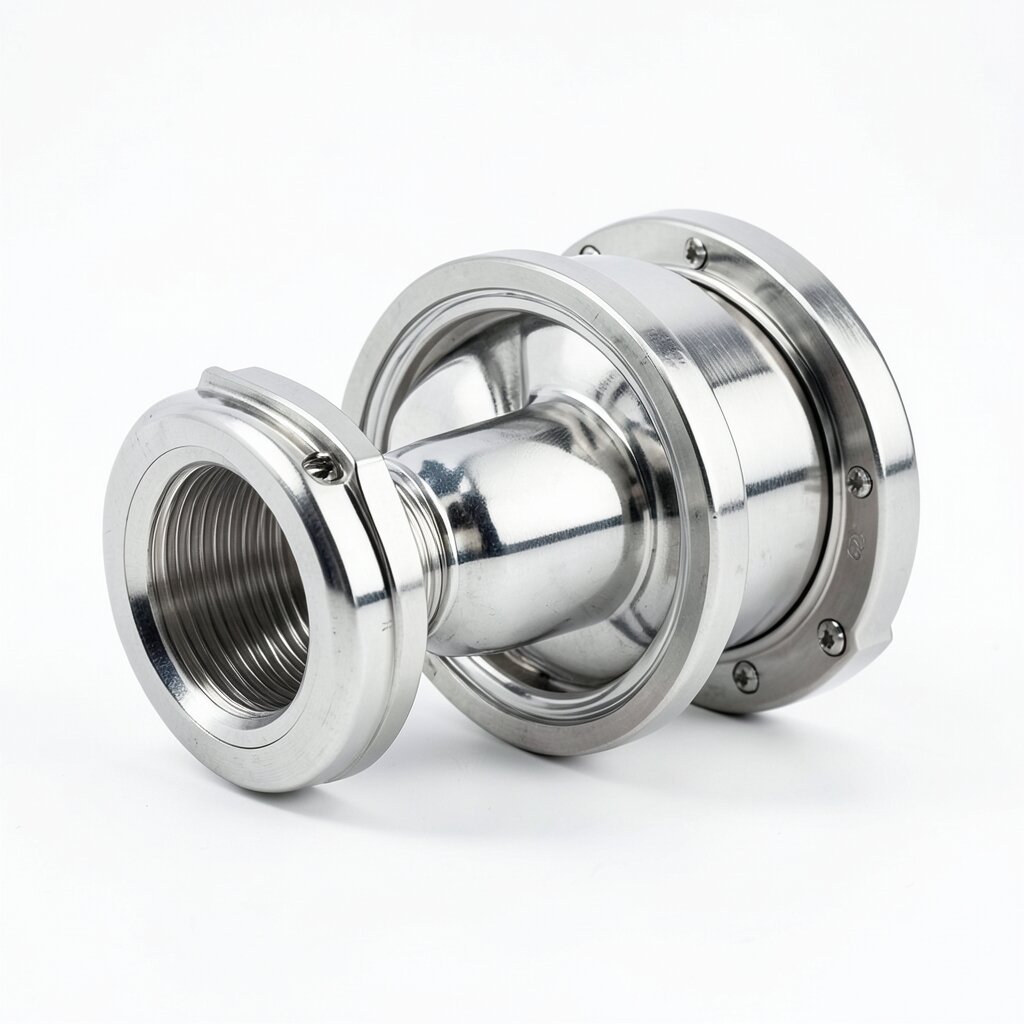
Small-bore inline mixer with NPT or BSP threaded ends — the compact structural variant for chemical skid packages, instrument-air blending, and water-treatment pilot plants from DN15 to DN50.
Product Overview
The threaded static mixer is the smallest and most economical structural variant in the ywmixing range. It is built as a one-piece housing with male tapered (NPT) or parallel (BSP) threads machined directly on each end. The internal mixing element is permanently fixed inside the housing — there is no removable cartridge — which is the reason this variant is restricted to small-bore DN15 to DN50 service where fouling is not expected and the unit is treated as a consumable fitting.
Threaded mixers are the workhorse of chemical-injection skids. On a typical 2 m × 1 m metering skid, you will find eight to twelve threaded mixers handling the dilution of polymers, scale inhibitors, biocides, and oxygen scavengers. They are quick to install, require no special tools, and the spare cost is small enough that the operator simply replaces the entire unit if the elements foul. The unit price is typically 30-50% of the equivalent flanged mixer, which is why the threaded version dominates in skid-mounted OEM applications.
The standard pressure rating is PN40 (40 bar at 120°C) for SS316L housings and PN25 (25 bar) for carbon steel. The temperature envelope spans -20°C to +200°C, with PTFE-jacketed EPDM seals used for the threaded interface. Above 200°C, the thread joint loses its sealant capability and the connection should be flanged or welded. Above DN50, the wall thickness required to maintain a pressure-tight thread becomes impractical, so the customer is moved to the flanged platform.
Design Features
The threaded housing is machined from solid bar stock or thick-walled pipe. For SS316L units, the body is a single CNC-turned piece, with the threaded ends, hex flats for wrench engagement, internal bore, and shoulder stops for the mixing element all machined in one setup. This construction gives a homogeneous grain structure and avoids the weld HAZ that would otherwise exist in a fabricated housing. For carbon steel units, the body is hot-forged and machined; for PVC/PP, it is injection-molded with threaded sockets.
The mixing element is press-fit or pinned into the housing bore. For SV corrugated plate technology, the plate pack is captured between two machined shoulders and held in compression by a small disc-spring at the upstream end — this accommodates thermal expansion and prevents axial movement. For SK helical technology, the elements are twisted from flat bar and welded end-to-end to form a continuous helix, with the upstream end pinned to a shoulder and the downstream end free to slide.
Thread forms are produced to ASME B1.20.1 (NPT) or ISO 228 (BSP) as standard, with crest and root profiles inspected with a ring/plug gauge set. The hex flats are dimensioned per ASME B16.11 for the corresponding class, so the unit can be installed with a standard pipe wrench. A witness mark is laser-etched on each hex flat indicating the recommended installation torque and the thread standard, so the fitter does not have to consult a manual.
For OEM skid builders, we offer a custom thread service. Send a sample fitting or print, and we will replicate the thread form on the mixer housing. This is common with European skid builders who use JIS B0203 PT threads on their internal piping, and with Chinese OEMs who use the GB/T 7306 55° tapered thread. There is no engineering charge for custom threads above DN25.
Technical Specifications
| Parameter | Value |
|---|---|
| Connection Standard | NPT (ANSI B1.20.1), BSP (ISO 228), JIS B0203 PT, GB/T 7306 |
| Pipe Diameter Range | DN15 (1/2") to DN50 (2") — special to DN80 |
| Pressure Rating | PN40 (SS316L) / PN25 (carbon steel) / PN10 (PVC/PP) |
| Temperature Range | -20°C to +200°C (metallic) / -10°C to +60°C (PVC/PP) |
| Housing Material | SS316L (default), SS304, Carbon Steel, PVC, PP, PVDF |
| Mixing Element | SK helical (default) or SV plate — fixed in housing |
| Element Count | 4 to 8 elements (DN15 = 4, DN50 = 8) |
| Hex Flat Dimension | Per ASME B16.11 Class 2000/3000 |
| Sealant | PTFE tape (default), anaerobic resin, or PTFE O-ring |
| Installation Torque | DN15 = 25 Nm / DN25 = 60 Nm / DN50 = 130 Nm |
| Length-to-Diameter (L/D) | 5 to 12 (geometry dependent) |
| Weight (DN25 SS316L) | 0.8 to 1.5 kg depending on element count |
Frequently Asked Questions
Standard thread forms are NPT (ANSI B1.20.1) tapered and BSP (ISO 228) parallel. Metric M-thread, JIS B0203 PT, and DIN 2999 R/Rp are also available for OEM skid builders. The default seal is thread tape or anaerobic resin; PTFE O-ring boss fittings are available on request.
Threaded mixers are produced up to DN50 (2 inch). Above DN50 the wall thickness required for a pressure-tight thread becomes uneconomical, and the standard practice is to switch to flanged or welded connections. DN65 and DN80 are occasionally built to special order for low-pressure service below 6 bar.
Threaded mixers are typically limited to 200°C continuous because the thread joint relies on plastic deformation of the sealant to remain leak-tight, and at higher temperatures the differential expansion between the male and female threads can cause galling. For service above 200°C, specify flanged or welded.
The mixer is screwed into the line using a wrench on the hex flats machined at each end of the housing. PTFE tape or anaerobic resin is applied to the male threads. The unit is tightened to the standard torque (DN15 = 25 Nm, DN25 = 60 Nm, DN50 = 130 Nm) and supported with pipe hangers within 300 mm of each end to prevent vibration fatigue.
Related Products