PP Static Mixer
All-Polypropylene Medium-Duty Chemical Mixer
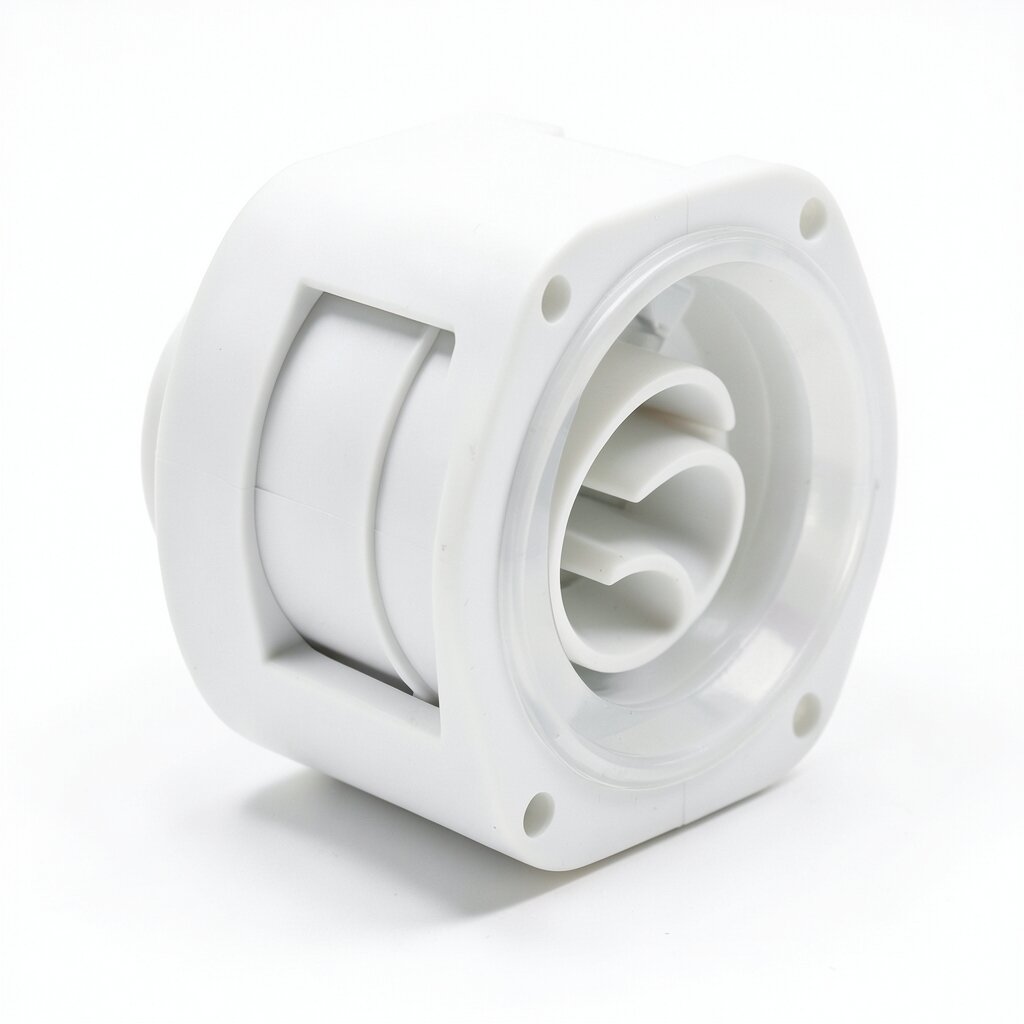
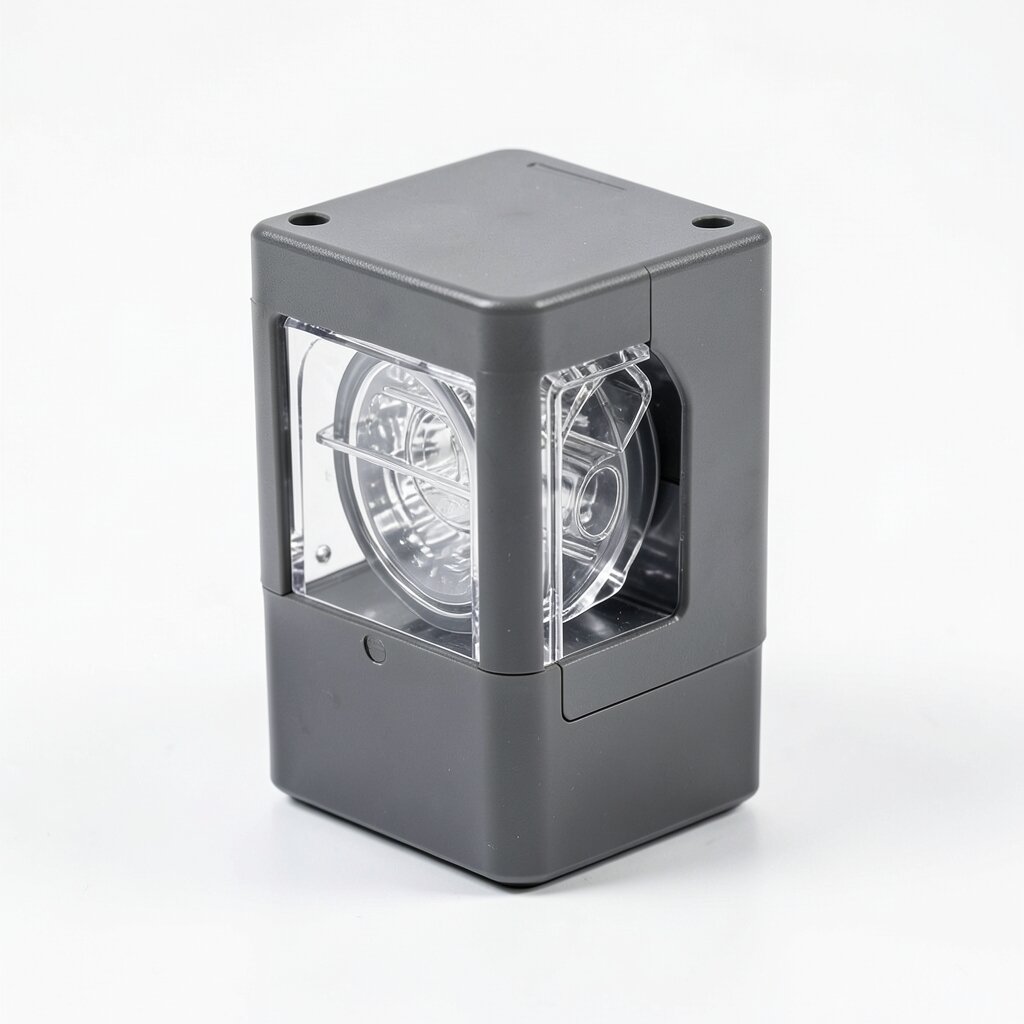
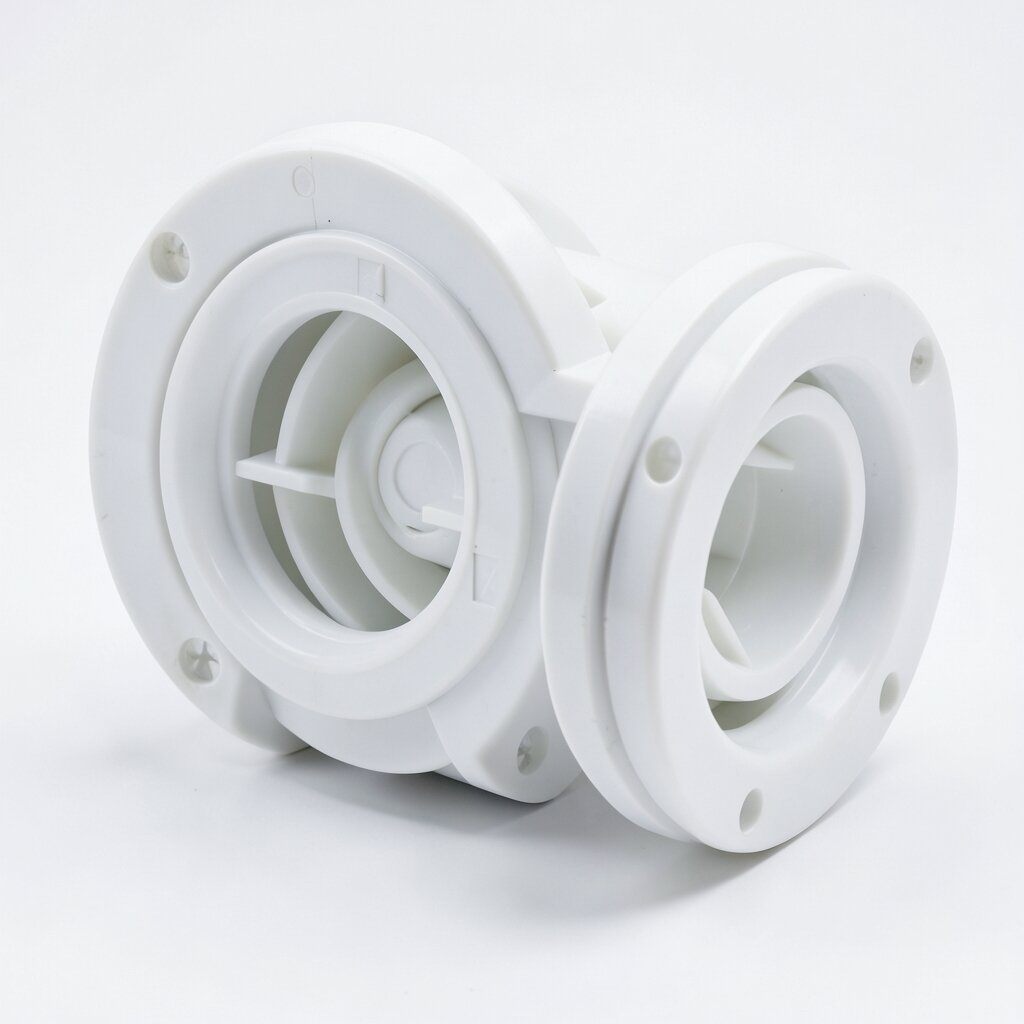
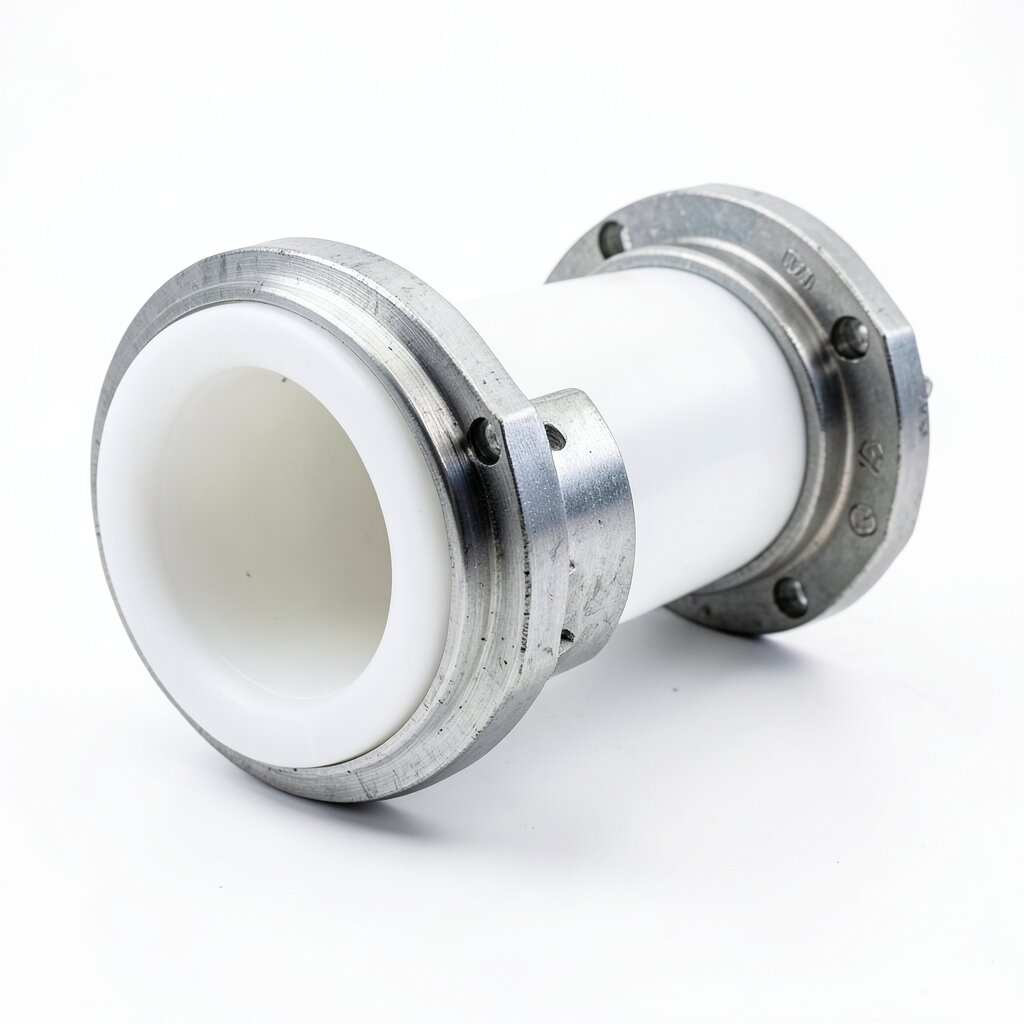
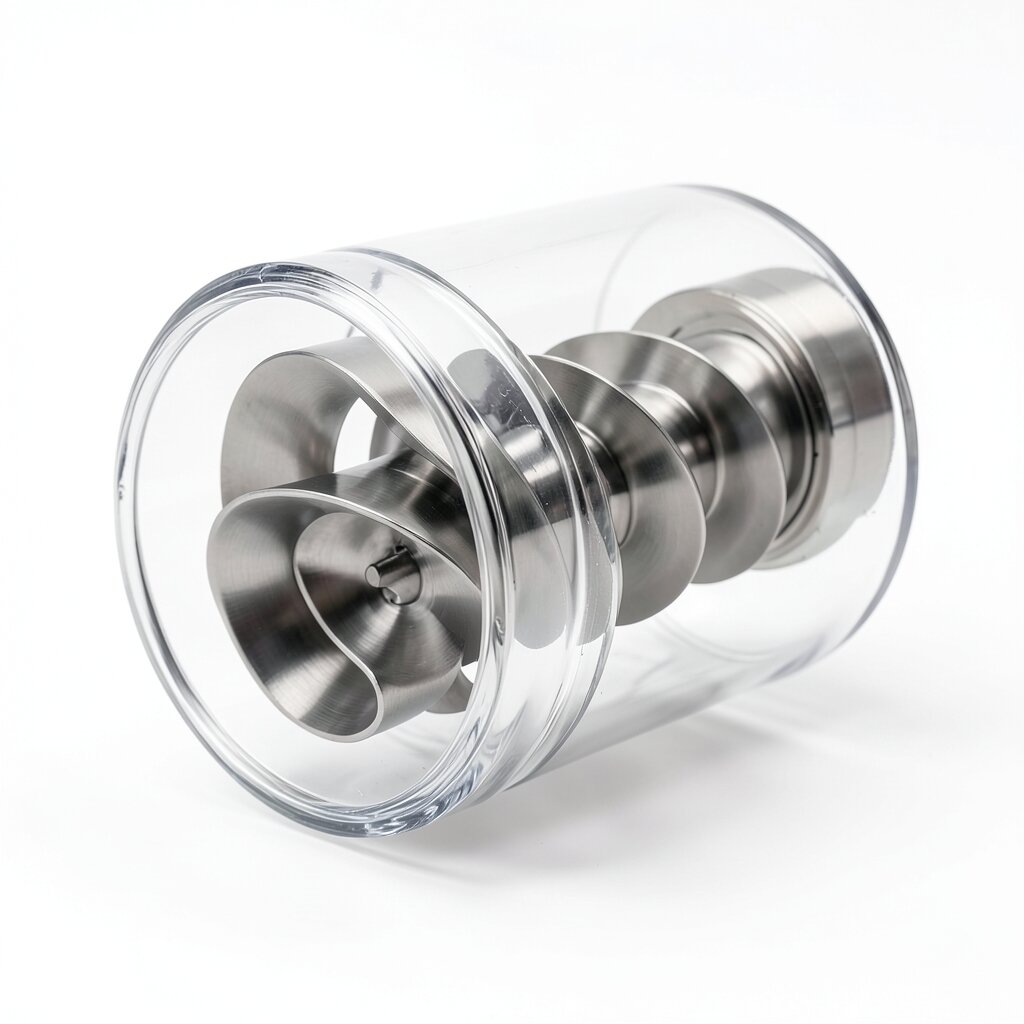
All-polypropylene in-line static mixer with hot-plate-welded housing and integral PP helical elements — the medium-duty chemical mixer for food, pharmaceutical, and water-treatment applications up to 90°C.
Product Overview
The ywmixing PP static mixer is the workhorse of the all-polymer mixer family. The housing, flanges, and internal elements are all manufactured from polypropylene (PP), a semi-crystalline thermoplastic that combines a broad chemical resistance with a service temperature ceiling high enough to handle most industrial water-treatment and food-processing applications. The mixer is rated for -10°C to +90°C continuous and PN10 pressure, which covers the majority of the dilute-chemistry service space.
The PP mixer is the most commonly specified all-polymer mixer in our product line. It is selected for service where the chemistry is too aggressive for PVC (organic solvents, alcohols, higher temperatures) but not so aggressive as to require PVDF or PTFE-lined construction. The cost is intermediate between PVC (cheapest) and PVDF (premium), and the FDA compliance makes the mixer directly suitable for food, beverage, and pharmaceutical service.
Internally, the mixer uses a left-right helical element set of solid PP rods, in 4-8 elements depending on the required coefficient of variation. Element twist is selectable at 180° (default) or 270° (option for higher-viscosity media up to 1,500 cP). The L/D ratio of the housing is 6-12 depending on the target σX, with the higher end used for tight-coefficient applications such as pH adjustment in the presence of slow-reacting acids.
The mixer is available in three connection styles. Flanged (ANSI 150, DIN PN10, JIS 10K) is the most common for industrial service. Threaded (NPT or BSP) is available for DN15-DN50 in PP for instrument-air and low-pressure water service. Tri-clamp (ISO 2852, DIN 32676) is the standard for pharmaceutical and food-service installations, with sanitary ferrules machined from the same PP as the housing.
Material Properties
Polypropylene (PP) is a semi-crystalline thermoplastic of the polyolefin family. The mixer uses either homopolymer PP (higher stiffness, better chemical resistance) or random copolymer PP (better impact strength, lower temperature brittleness). For most applications, homopolymer PP is the default. The chemical resistance covers a broad envelope: all dilute mineral acids (HCl, H₂SO₄, H₃PO₄, HNO₃ up to 30%), all organic acids (acetic, citric, lactic, formic) at ambient and warm temperature, all alkalis (NaOH, KOH, NH₄OH, Ca(OH)₂), all salt solutions, and most organic solvents (alcohols, glycols, ketones, esters) at ambient temperature.
The temperature limit is set by the heat-distortion temperature of PP at 0.45 MPa, which is 95-100°C depending on the grade. The mixer is rated for 90°C continuous service and 105°C short-term excursions. Above 100°C, PP begins to soften and the housing will distort under any sustained pressure. The mechanical properties are good for a thermoplastic: tensile strength 30-35 MPa, density 0.91 g/cm³ (the lowest of the three polymer options, so PP mixers float if the housing ever fills with water), and elastic modulus 1.3-1.8 GPa.
PP has several known chemical limitations. It is NOT suitable for concentrated sulfuric acid above 70% (the acid attacks the polymer and causes charring), concentrated nitric acid above 30% (oxidative attack), aromatic hydrocarbons (benzene, toluene, xylene — swelling and dissolution), chlorinated hydrocarbons (methylene chloride, chloroform — swelling and dissolution), strong oxidizers (concentrated H₂O₂ above 30%, ozone, fuming nitric acid), or any service above 90°C. For these services, the all-PVDF mixer or the PTFE-lined mixer is the appropriate upgrade.
One important advantage of PP over PVC: PP does not contain chlorine in the polymer backbone, so it does not release HCl when incinerated. This makes PP the preferred polymer for pharmaceutical and food-processing applications where end-of-life disposal is a regulatory concern. PP is also FDA-compliant for food contact (21 CFR 177.1520) and is accepted by the European Food Safety Authority (EFSA) for food-contact materials. For pharmaceutical service, the PP wetted parts can be supplied with a USP Class VI biocompatibility certification.
The thermal expansion coefficient of PP is high (100-150 × 10⁻⁶/°C, roughly 8× that of carbon steel), so the design must accommodate differential expansion in the piping system. For long straight runs, expansion loops or bellows compensators are recommended at intervals of approximately 4-6 m to absorb thermal growth. The mixer itself does not require any special expansion accommodation; the standard piping design practice is sufficient.
Construction Design
The all-PP mixer is built from off-the-shelf PP pressure-piping components, welded together using either hot-plate welding or, for the smaller sizes, socket fusion. The housing is a length of PN10 PP pressure pipe (sized to the mixer DN), with two flanged or socket-fusion end caps. The internal element set consists of 4-8 PP rods, twisted 180° left and right in alternating pairs, and mechanically fastened to the housing at each end by element holders that are welded to the housing wall.
PP components are joined by hot-plate welding, which uses a heated platen (typically 200-220°C) to melt the PP surfaces, then presses them together under controlled pressure (0.1-0.3 MPa) for a specified hold time (typically 30-60 seconds) to form a homogeneous weld. Hot-plate-welded joints are as strong as the parent PP and are leak-tight at the rated pressure. The alternative joining method, socket fusion, uses a heated socket and a matching PP pipe end; the molten interface is pressed together and held until cooled. Socket fusion is used for DN15-DN50 in-line installations where the mixer is integrated into a PP piping system.
End connections are available in three styles. Flanged (ANSI B16.5 Class 150, DIN PN10, JIS 10K) is the most common — flanges are PP ring flanges with a 316L stainless or PP-GF30 (glass-fiber-reinforced PP) backing ring to distribute the bolt load. Threaded (NPT or BSP) is available for DN15-DN50 in PP for instrument-air and low-pressure water service. Tri-clamp (ISO 2852, DIN 32676) is the standard for pharmaceutical and food-service installations, with sanitary ferrules machined from the same PP as the housing.
The element set is the same helical geometry as the PVC and lined versions — left-right twisted rods at 180° (default) or 270° (option for higher viscosity). Element rod diameter is typically 0.10-0.15 × DN, and the L/D ratio of the housing is 6-12. Element count is 4-8, selected based on the target σX, with 4 elements sufficient for simple mixing duty (σX ≤ 5-7%) and 6-8 elements required for tight-coefficient applications (σX ≤ 1-3%).
The mixer is supported by standard PP piping supports. The light weight of the PP construction (a DN100 all-PP mixer weighs about 6 kg) means that simple pipe hangers or PP straps are usually sufficient. For horizontal installations, supports are placed at 1-2 m intervals along the piping run, with at least one support within 300 mm of each mixer flange. For vertical installations, the mixer is supported by the pipe hangers above and below.
Technical Specifications
| Parameter | Value |
|---|---|
| Housing Material | Polypropylene (PP) — homopolymer or random copolymer |
| Element Material | PP (matched to housing) |
| Internal Structure | 180° / 270° left-right helical twist elements (4-8 elements) |
| Mixing Precision | σX ≤ 3-7% (Re > 10,000) |
| Operating Temperature | -10°C to +90°C continuous / +105°C short-term |
| Design Pressure | PN10 at 23°C (derated at higher temperature) |
| Vacuum Service | Limited (consult factory) — full vacuum requires support ring |
| Connection Types | PP flange (ANSI 150, DIN PN10, JIS 10K), NPT/BSP thread (DN15-50), Tri-Clamp, socket fusion |
| Pipe Diameter Range | DN15 to DN300 |
| Flow Rate Range | 0.05 to 400 m³/h |
| Viscosity Range | ≤ 1,000 cP (PP) / ≤ 1,500 cP (with 270° elements) |
| Gasket Material | EPDM (standard), FKM, FFKM (Kalrez) |
| FDA / EFSA Compliance | Yes (FDA 21 CFR 177.1520, EFSA approved) |
| Joining Method | Hot-plate welding (DVS 2207), socket fusion (DN15-50) |
| Approximate Weight (DN100) | ~6 kg |
Frequently Asked Questions
All-PP mixers are rated for -10°C to +90°C continuous and +105°C short-term. The 90°C ceiling is set by the heat-distortion temperature of PP at 0.45 MPa (about 100°C). For service above 90°C, use the PVDF all-plastic mixer (140°C) or the PTFE-lined mixer (200°C).
Yes. PP is FDA-compliant for food contact (21 CFR 177.1520) and is accepted by the European Food Safety Authority (EFSA) for food-contact materials. For pharmaceutical service, the mixer is supplied with a USP Class VI biocompatibility certification for the PP wetted parts. Tri-clamp connections are available for sanitary service.
PP is NOT suitable for concentrated sulfuric acid (above 70%) or concentrated nitric acid (above 30%), aromatic and chlorinated hydrocarbons, strong oxidizers (concentrated H₂O₂, ozone, fuming nitric acid), or any service above 90°C. For these services use the PVDF all-plastic mixer or the PTFE-lined mixer.
PP components are joined by hot-plate welding, which uses a heated platen to melt the PP surfaces, then presses them together under controlled pressure to form a homogeneous weld. Hot-plate-welded joints are as strong as the parent PP. The mixer can also be supplied with flanged connections for periodic disassembly.
Related Products