PP-Lined Static Mixer
Steel-Shell Polypropylene Liner for Acid-Alkali
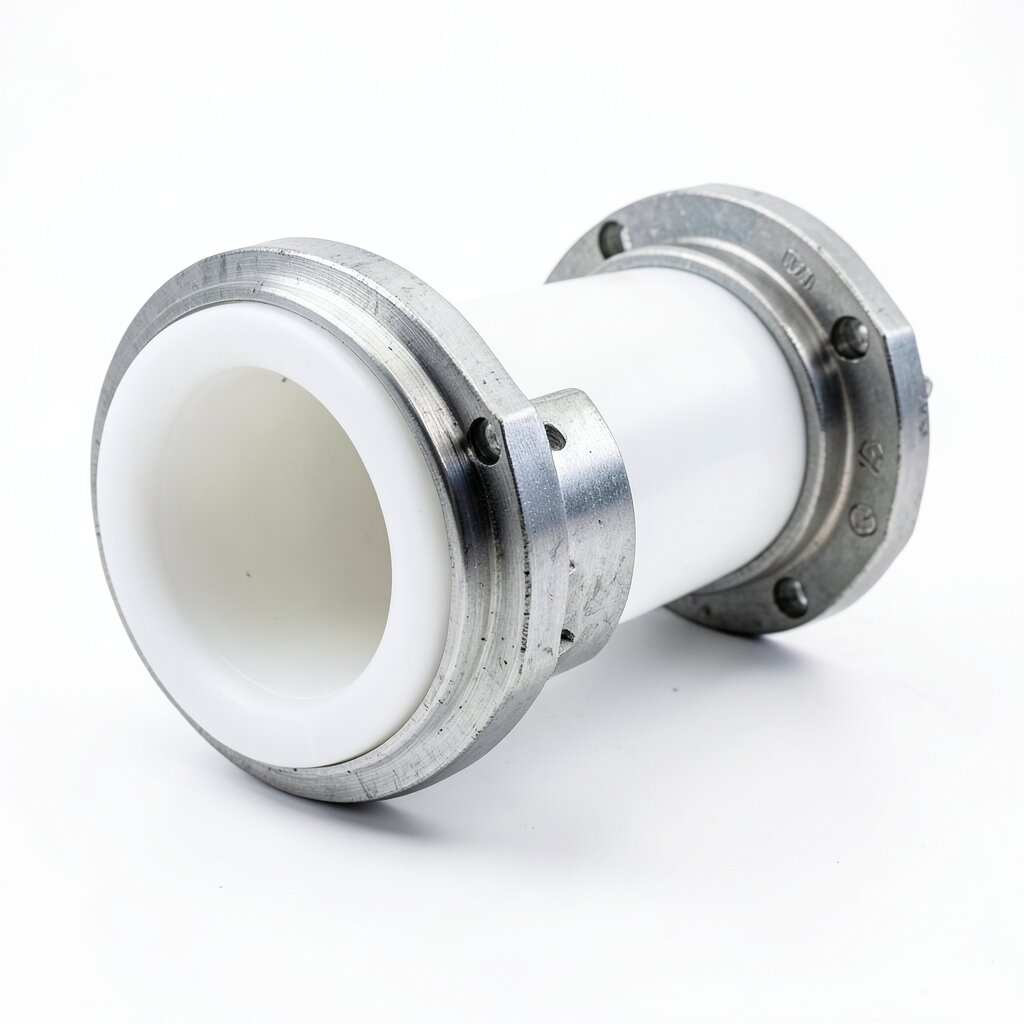
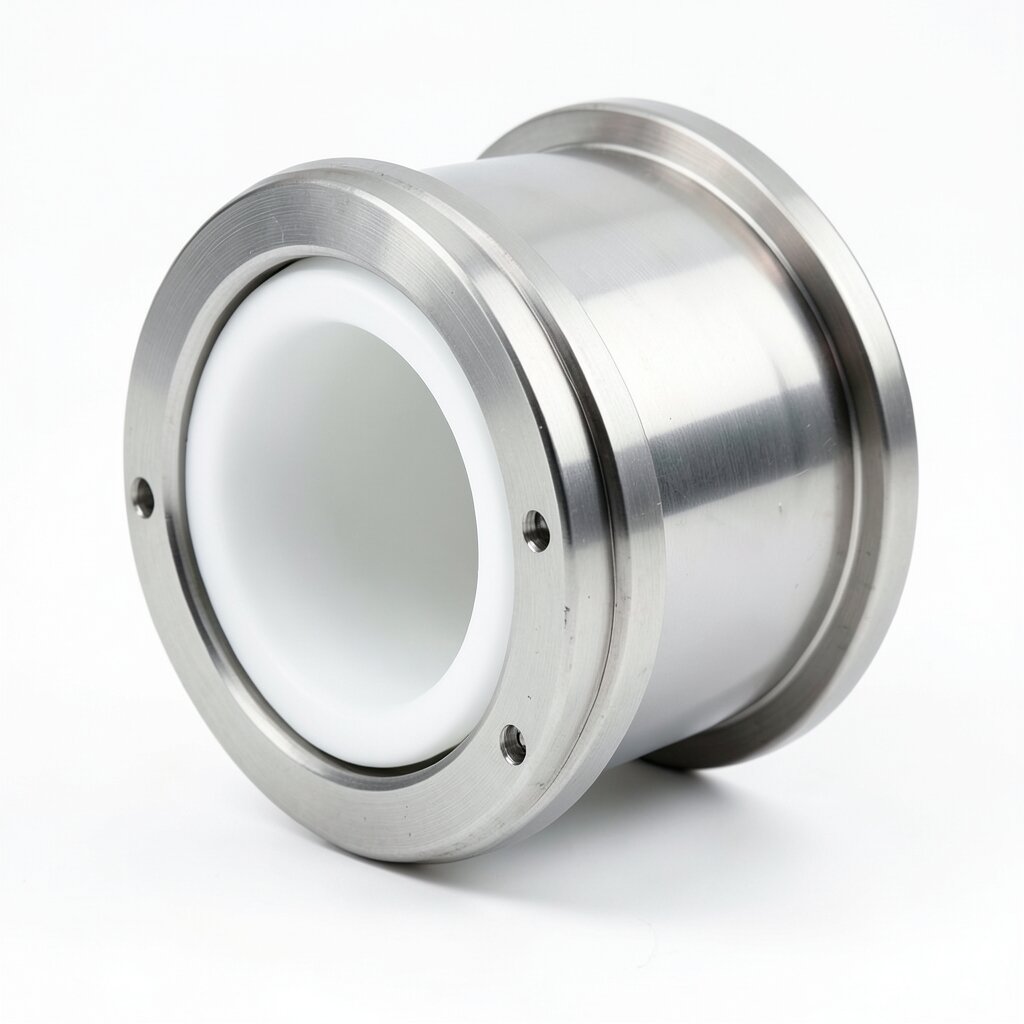
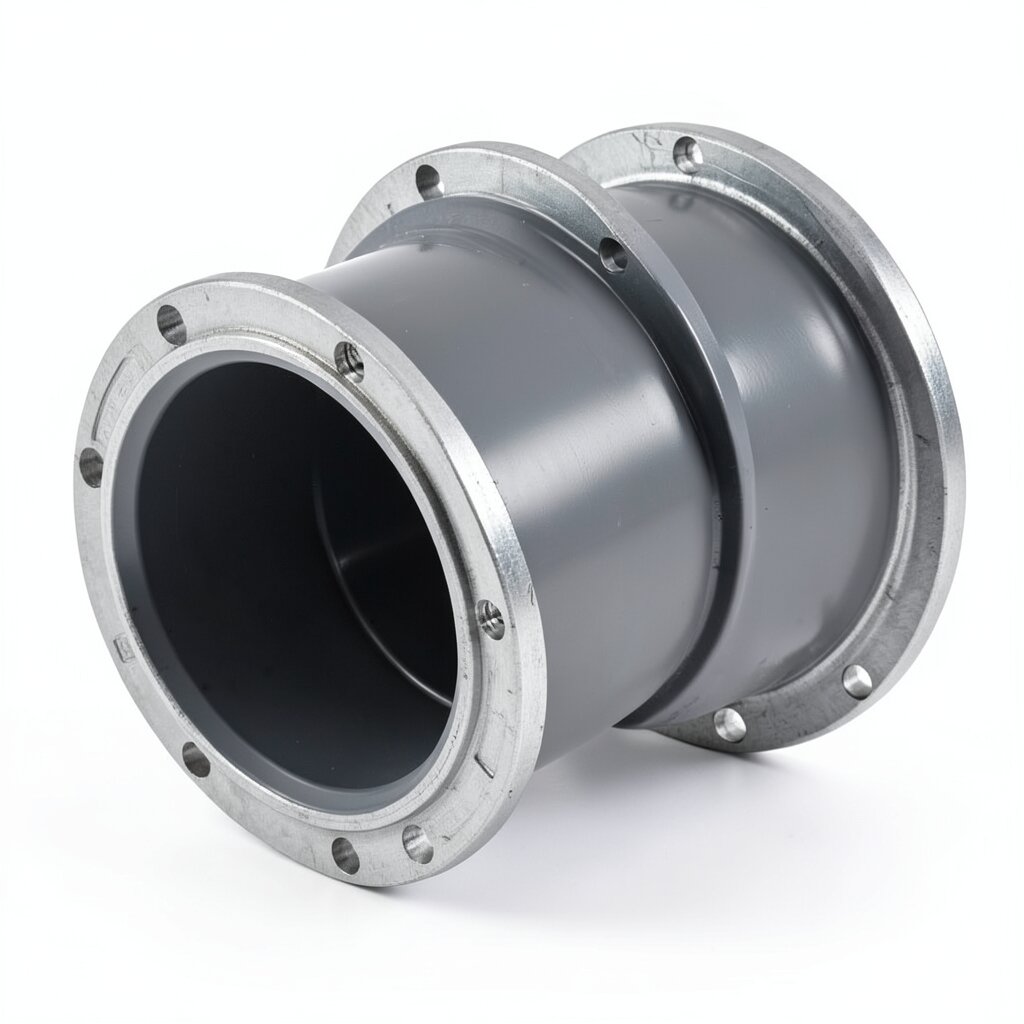
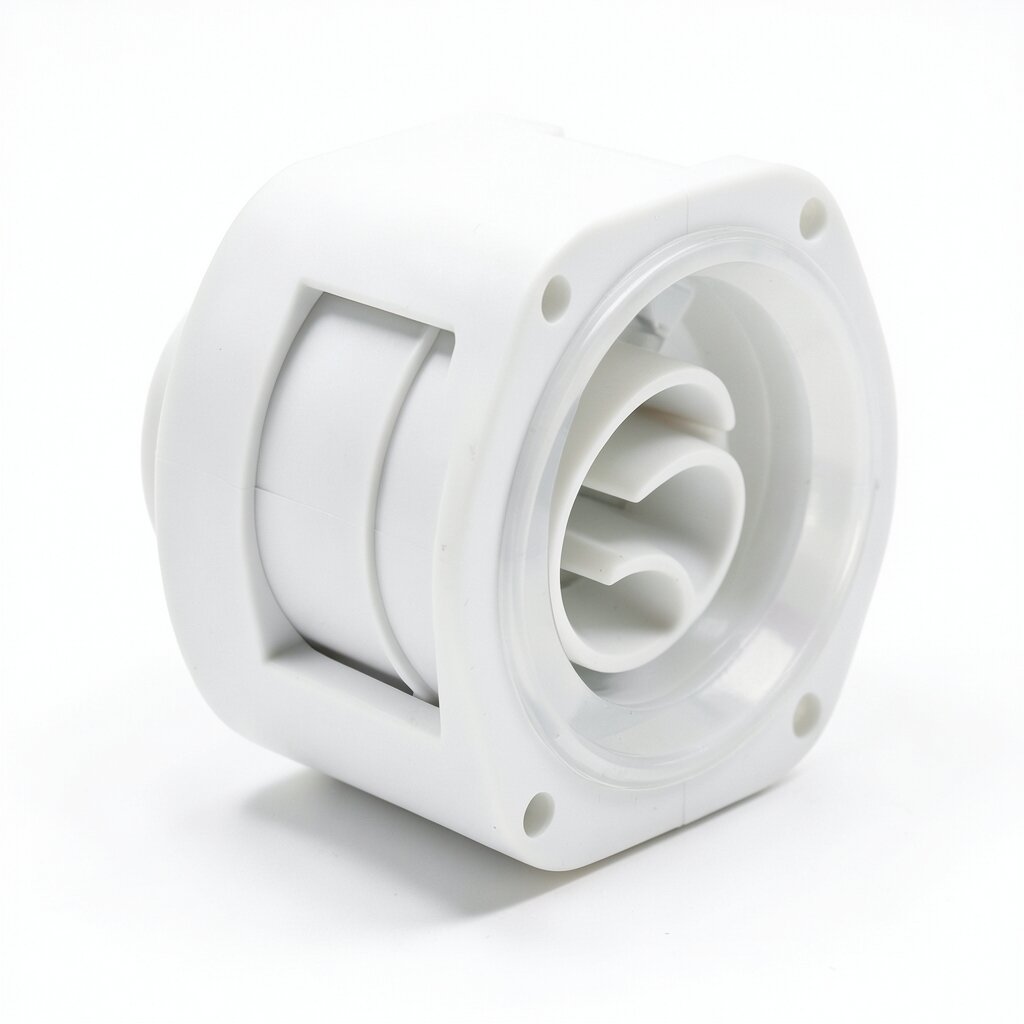
Carbon-steel pressure shell with a 4-6 mm polypropylene (PP) liner and PP helical elements — the high-temperature alternative to PVC-lined, rated for acid and alkali service up to 95°C continuous.
Product Overview
The ywmixing PP-lined static mixer fills the temperature gap between the PVC-lined and PTFE-lined versions. The construction is the same — a carbon-steel pressure shell with a vented annular gap and a corrosion-resistant polymer liner and elements — but the liner material is polypropylene (PP), which raises the continuous service temperature from 60°C (PVC) to 95°C. This 35°C difference opens up several important services that the PVC-lined version cannot cover, including hot water-treatment chemistry, warm flue-gas desulfurization, and most fertilizer-process applications.
PP is the second-most-common liner material in the lined-mixer family after PTFE. It has a wider chemical-resistance envelope than PVC (notably better against organic solvents and oxidizers) and a significantly lower cost than PTFE (typically 1/5 to 1/8 the cost per kg). The trade-off is the 95°C temperature ceiling and the limited resistance to concentrated oxidizing acids. Where the chemistry is hot and oxidizing — for example, hot 70% HNO₃ — the PTFE-lined mixer is still required.
Internally, the mixer uses a left-right helical element set of solid PP rods, in 4 to 8 elements depending on the required coefficient of variation. Standard element twist is 180°; 270° twist is available for higher-viscosity media up to 1,500 cP. The L/D ratio of the housing is 6-12, with the higher end used for tight-coefficient applications such as pH adjustment in the presence of slow-reacting acids. End connections are PP-faced flanges (ANSI 150, DIN PN10, JIS 10K) with EPDM gaskets; FKM (Viton) is available for mildly aggressive organic service.
Material Properties
Polypropylene (PP) is a semi-crystalline thermoplastic polymer of the polyolefin family. Its chemical resistance is broad: it resists all dilute mineral acids (HCl, H₂SO₄, H₃PO₄, HNO₃ up to 30%), all organic acids (acetic, citric, lactic, formic), all alkalis (NaOH, KOH, NH₄OH), all salt solutions, and many organic solvents (alcohols, glycols, ketones, esters — at ambient temperature). The temperature limit is set by the heat-distortion temperature of 100°C at 0.45 MPa, which limits the continuous service to 95°C. Short-term excursions to 105°C are tolerable; sustained service above 100°C will cause creep and eventual distortion.
The mechanical properties of PP are good for a liner material. Tensile strength is 30-35 MPa, density 0.91 g/cm³ (the lowest of all common liner materials — PP liners float if the shell ever fills with water), and elastic modulus 1.3-1.8 GPa. The thermal expansion coefficient is high (100-150 × 10⁻⁶/°C, roughly 8× that of carbon steel), so the liner must be designed to accommodate differential expansion — typically a 2-3 mm radial gap, vented to atmosphere.
PP has several known chemical limitations. It is NOT suitable for concentrated sulfuric acid above 70% (the acid attacks the polymer), concentrated nitric acid above 30% (oxidative attack), aromatic and chlorinated hydrocarbons (swelling and dissolution), strong oxidizers (concentrated H₂O₂, ozone, fuming nitric acid), or any service above 95°C. For these services, the PTFE-lined or all-PVDF mixer must be used. PP is also unsuitable for service that sees UV exposure for extended periods — the polymer will degrade and crack. Black-pigmented PP is available for outdoor service.
PP offers one important advantage over PVC: it does not contain chlorine in the polymer backbone, so it does not release HCl when incinerated. This makes PP the preferred liner for pharmaceutical and food-processing applications where end-of-life disposal is a concern. PP is also FDA-compliant for food contact (21 CFR 177.1520) and is accepted by the European Food Safety Authority (EFSA) for food-contact materials.
Construction Design
The construction of the PP-lined mixer is the same three-layer design as the PVC- and PTFE-lined versions. The outer layer is the carbon-steel (or 316L stainless) pressure shell, hydrostatically tested to 1.5× design pressure before liner installation. The middle layer is a 2-3 mm vented annular gap with a tell-tale port for leak detection. The inner layer is the PP liner, a 4-6 mm thick tube extruded or sheet-formed into a cylindrical shape and locked at the flanges by trapezoidal spacer rings.
The PP liner is attached using a flared-end construction, similar to the PVC-lined version. The ends of the PP tube are belled outward against a steel backing flange, then clamped in place by a steel retaining ring. This construction is mechanically robust and is field-proven in lined-piping service. The vented annular gap accommodates the high thermal expansion of PP (100-150 × 10⁻⁶/°C, roughly 8× that of carbon steel) and prevents liner buckling during heat-up.
Internal elements are solid PP rods, twisted 180° (default) or 270° (option for higher viscosity) in alternating pairs. Elements are mechanically fastened to the liner at each end using PP element holders that are hot-plate welded to the liner. The 4-8 element set is selected based on the target σX, with 4 elements sufficient for simple mixing duty (σX ≤ 5-7%) and 6-8 elements required for tight-coefficient applications (σX ≤ 1-3%).
End connections are PP-faced steel flanges with EPDM gaskets. The PP face protects the gasket from the process fluid and provides a smooth, crevice-free transition. EPDM is the standard gasket material for water and dilute chemistry; FKM (Viton) is available for higher-temperature or mildly aggressive organic service. Bolting is galvanized carbon steel or 316L stainless; PTFE washers prevent galling and ensure even gasket loading.
Technical Specifications
| Parameter | Value |
|---|---|
| Liner Material | Polypropylene (PP) — homopolymer or copolymer |
| Liner Thickness | 4.0 mm (DN25-80) / 5.0 mm (DN100-200) / 6.0 mm (DN250-300) |
| Shell Material | SA-516 Gr.70 carbon steel (standard), 316L stainless (option) |
| Element Material | PP (matched to liner) |
| Internal Structure | 180° / 270° left-right helical twist elements (4-8 elements) |
| Operating Temperature | -10°C to +95°C continuous / +105°C short-term |
| Design Pressure | PN10 (standard) / PN6 (DN250-DN300 option) |
| Vacuum Service | Limited (consult factory) |
| Connection Types | PP-faced flange (ANSI 150, DIN PN10, JIS 10K) |
| Pipe Diameter Range | DN25 to DN300 |
| Flow Rate Range | 0.3 to 500 m³/h |
| Viscosity Range | ≤ 1,500 cP (with 270° elements) |
| Gasket Material | EPDM (standard), FKM (option for mild organic service) |
| FDA / EFSA Compliance | Yes (FDA 21 CFR 177.1520, EFSA approved) |
Frequently Asked Questions
PP liner is rated for -10°C to +95°C continuous service and +105°C short-term. The 95°C ceiling is set by the heat-distortion temperature of polypropylene at 0.45 MPa (about 100°C). For service between 95°C and 200°C, use the PTFE-lined mixer.
Yes. PP is rated to 95°C continuous, compared to 60°C for PVC — a 35°C higher temperature ceiling. PP also has slightly better chemical resistance to many organic solvents and oxidizers, although PVC has the edge in dilute hydrochloric acid. Both are far below PTFE in temperature capability.
PP is NOT suitable for concentrated sulfuric acid (above 70%) or concentrated nitric acid (above 30%), aromatic and chlorinated hydrocarbons, strong oxidizers (concentrated H₂O₂, ozone), or any service above 95°C. For these services use PTFE-lined or all-PVDF mixers.
The PP liner is extruded or sheet-formed into a 4-6 mm tube and locked between two flanges by trapezoidal spacer rings. The 2-3 mm annular gap is vented to atmosphere through a tell-tale port for leak detection. The vented gap accommodates thermal expansion (PP 100-150 × 10⁻⁶/°C) and allows field replacement of the liner.
Related Products