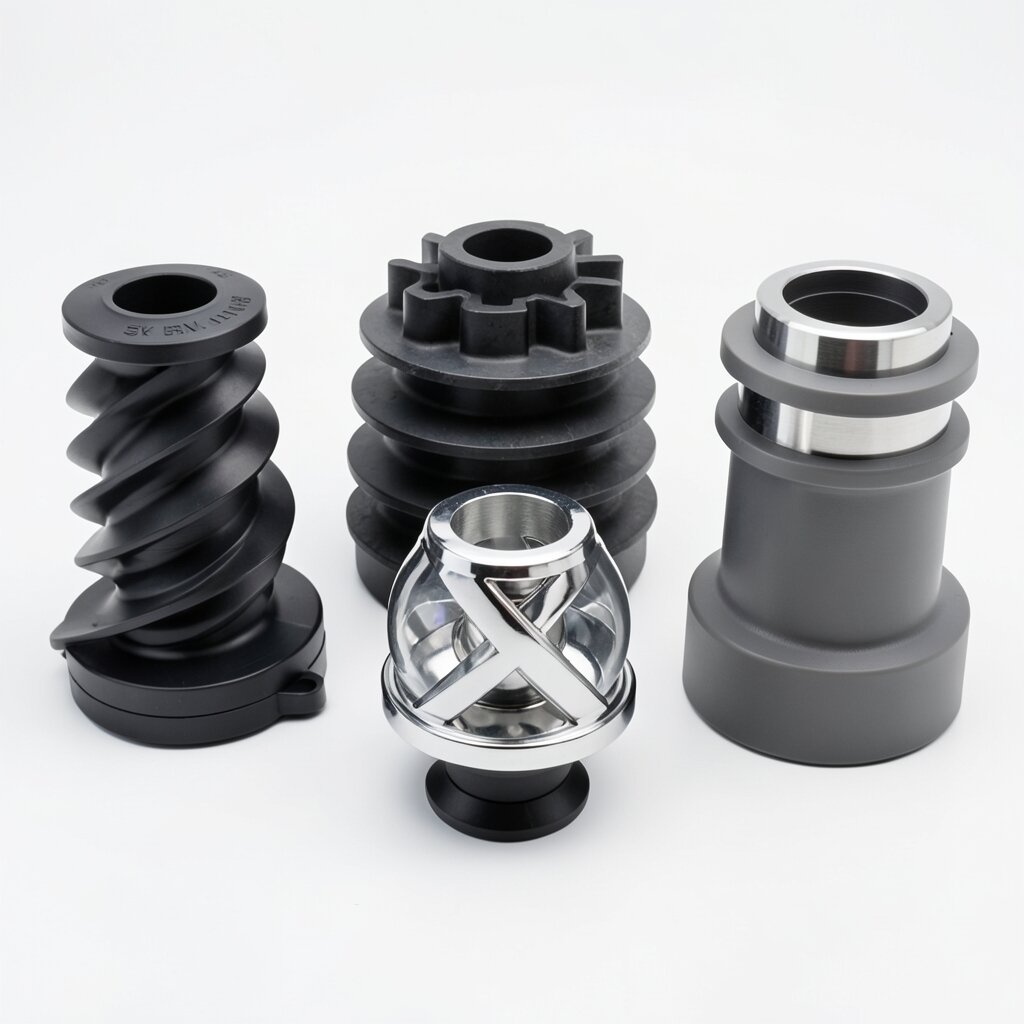
Full-Plastic Static Mixer
Lightweight All-Polymer In-Line Mixer
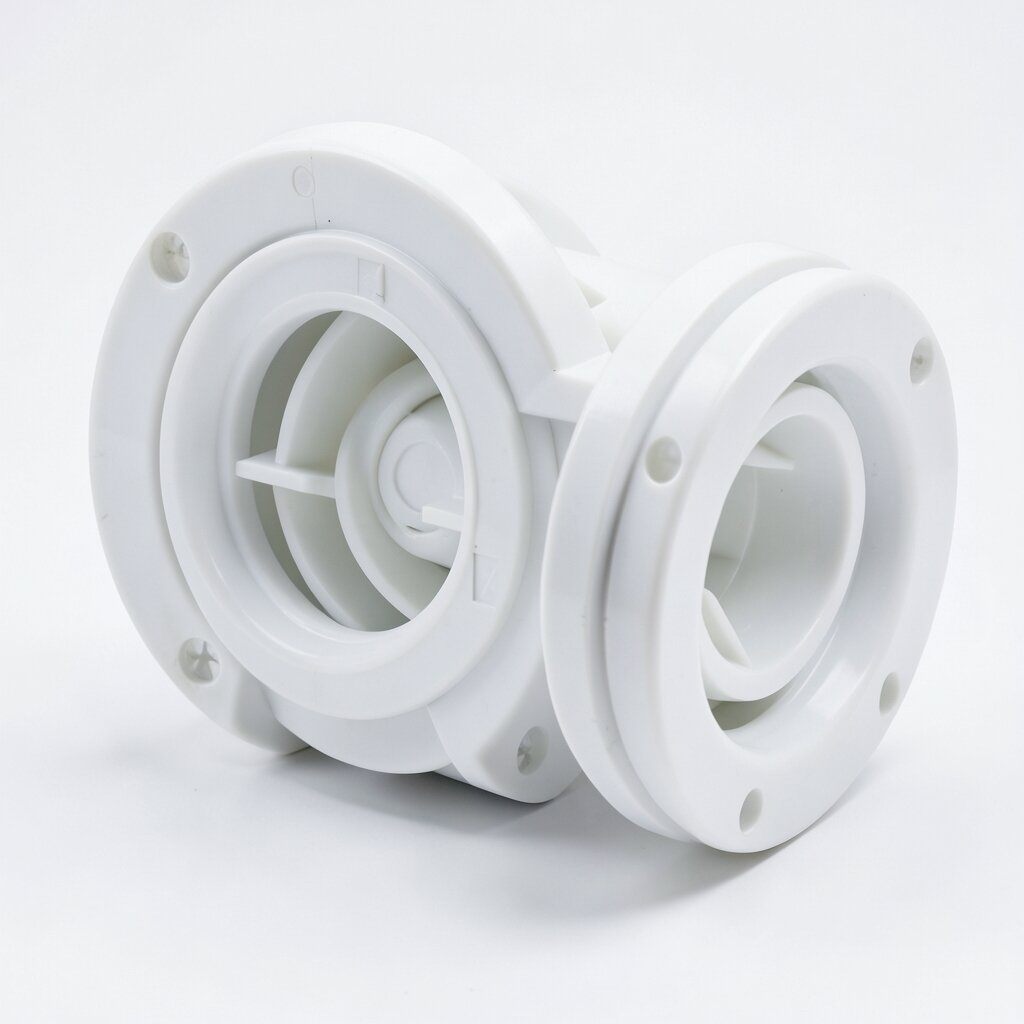
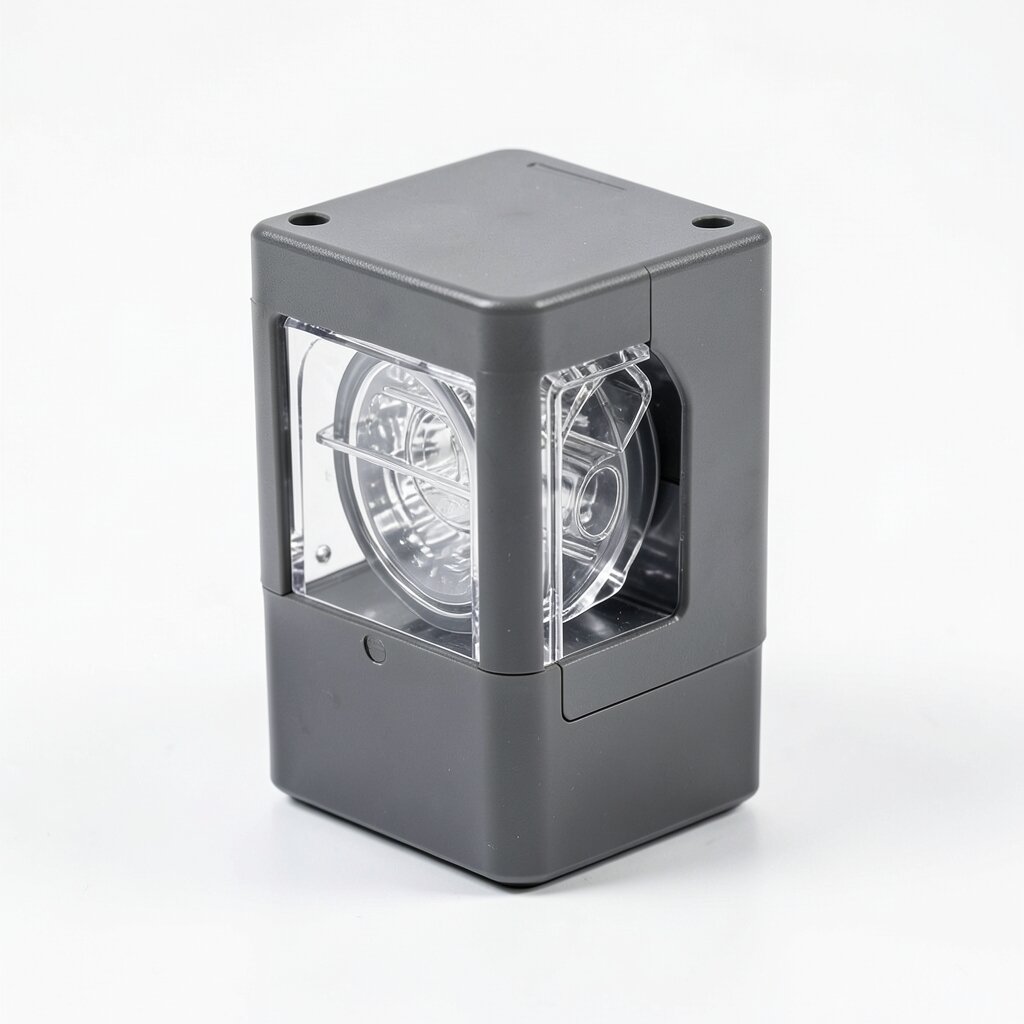
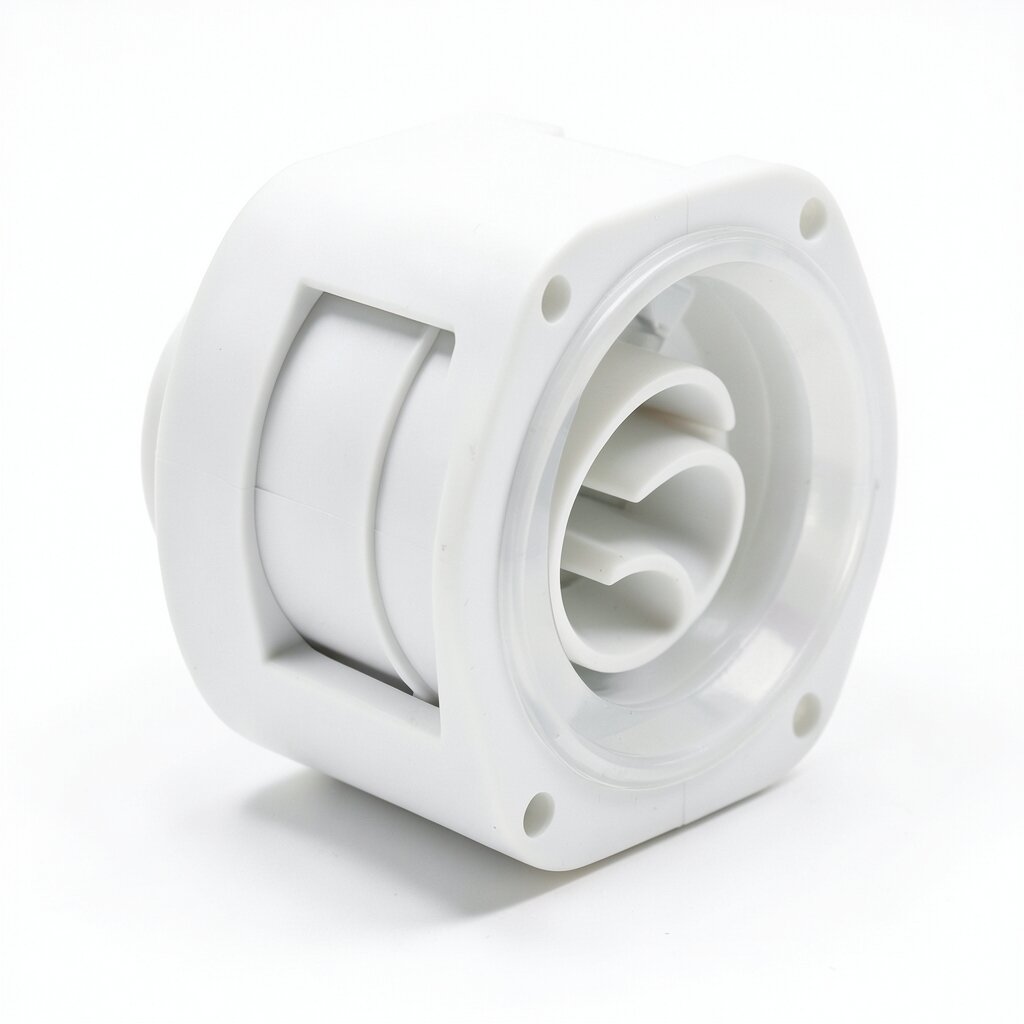
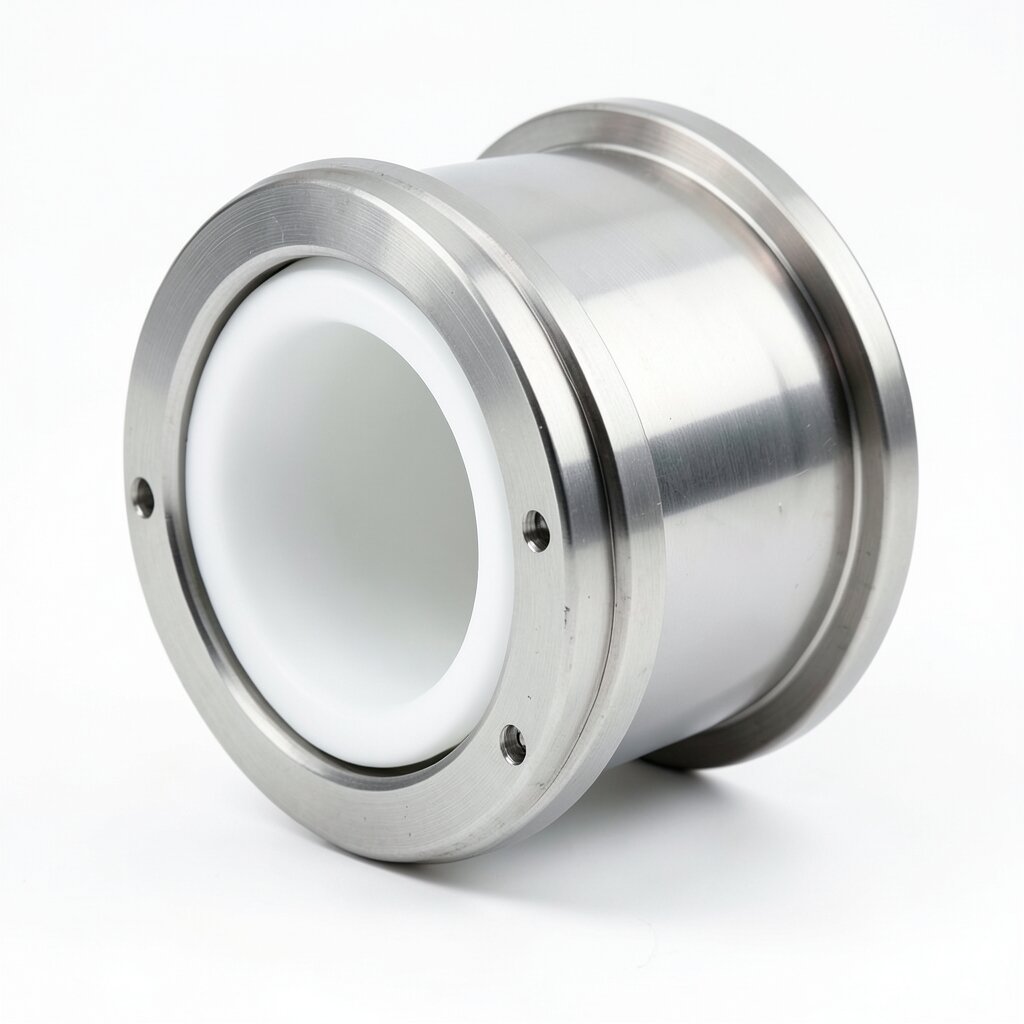
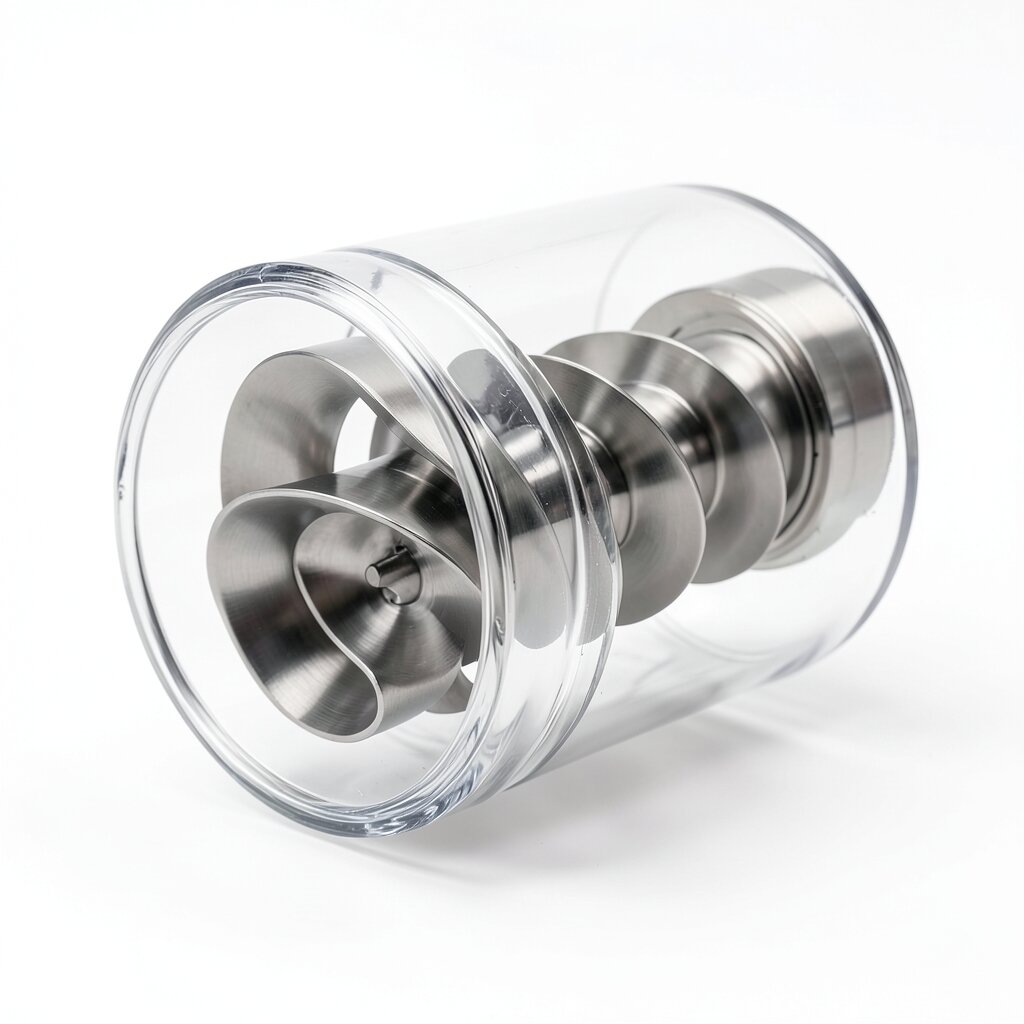
Lightweight all-polymer in-line mixer with PVC, PP, or PVDF housing and matching helical elements — the zero-metallic-contamination choice for ultra-pure water, microelectronics wet processing, and pharmaceutical clean utilities.
Product Overview
The ywmixing full-plastic static mixer is an all-polymer in-line mixing element with no metallic wetted parts. The housing, the end flanges, the internal elements, and the gaskets are all made from a single engineering polymer — typically PVC, PP, or PVDF. The mixer is designed for service where any metallic contamination of the process is unacceptable, or where the chemistry is so aggressive that even the highest-grade alloy would fail.
The full-plastic construction is the lightest of all our mixer variants. A DN100 full-PP mixer weighs approximately 6 kg, compared to 35 kg for the equivalent PP-lined steel-shell version. This makes the mixer easy to install in overhead piping, on skids, and in mobile or temporary installations where lifting equipment is not available. The light weight also reduces the support structure required for the piping, which lowers the total installed cost.
The trade-off is the pressure rating. With no steel shell, the housing pressure is limited by the polymer's hoop stress capability. The maximum design pressure is PN10 for PP and PVDF, and PN6 for PVC. For higher pressures, or for diameters above DN300, the lined mixers must be used. The full-plastic mixer is also not rated for vacuum service unless an external vacuum-support ring is fitted.
Three polymer options are available. PVC is the economy choice for ambient-temperature water-treatment and dilute-chemistry service. PP is the workhorse for general chemical service up to 90°C and is FDA-compliant for food and pharmaceutical use. PVDF is the premium choice for the most demanding chemical service — strong acids, halogens, solvents, and ultra-pure water — up to 140°C. All three are available as matched housing + element combinations.
Material Properties
The full-plastic mixer uses a single polymer for the entire wetted path, so the chemical resistance of the mixer is determined by the polymer selected. Rigid PVC (PVC-U) is suitable for water-treatment service, dilute mineral acids (HCl up to 20%, H₂SO₄ up to 50%, HNO₃ up to 30%), all alkalis, and salt solutions. The temperature limit is 60°C continuous, 70°C short-term (Vicat softening 72-75°C). PVC is the lowest-cost option and is widely used in municipal water-treatment skids.
Polypropylene (PP) is the most commonly specified polymer for the full-plastic mixer. It handles a wider chemical envelope than PVC — including organic solvents, alcohols, glycols, and many oxidizers — and is rated to 90°C continuous, 105°C short-term. PP is FDA-compliant for food contact (21 CFR 177.1520) and is the standard selection for pharmaceutical and food-service installations. PP has a density of 0.91 g/cm³, the lowest of the three options, making the mixer extremely light.
Polyvinylidene fluoride (PVDF) is the premium polymer for the full-plastic mixer. It is rated to 140°C continuous, 150°C short-term, and offers exceptional chemical resistance — including concentrated sulfuric acid (up to 98%), concentrated hydrochloric acid, chlorine gas, bromine, and most organic solvents. PVDF is the only polymer that handles HF at concentrations above 10% and at elevated temperatures. It is also the standard polymer for ultra-pure water (UPW) service in semiconductor fabs because it has very low TOC extractables and does not leach metallic ions.
The mechanical properties of the three polymers differ significantly. PVC has the highest tensile strength (50-60 MPa) and elastic modulus (3.0-3.5 GPa), but the lowest service temperature. PP has intermediate tensile strength (30-35 MPa) and a much lower density (0.91 g/cm³). PVDF has tensile strength comparable to PP (40-50 MPa) and a service temperature 50°C higher. All three polymers have high thermal expansion coefficients (PVC 70, PP 100-150, PVDF 130 × 10⁻⁶/°C), so the design must accommodate differential expansion in the piping system.
The full-plastic mixer is bonded together by solvent welding (PVC), hot-plate welding (PP), or infrared welding (PVDF). Welded joints are as strong as the parent material and are leak-tight at the rated pressure. For service that requires periodic disassembly, flanged versions with EPDM or FKM gaskets are available. The standard gasket material is EPDM (water, dilute base); FKM (Viton) is used for higher-temperature or mildly aggressive organic service; FFKM (Kalrez) is available for the most demanding chemical service.
Construction Design
The full-plastic mixer is a one-piece molded or fabricated assembly. For DN15-DN50, the housing is a single molded pipe section with integral flanges; for DN65-DN300, the housing is a fabricated assembly consisting of a central pipe section, two molded flanges, and an internal element set. The fabrication method depends on the polymer: PVC is solvent-welded; PP and PVDF are hot-plate or butt-welded; threaded connections are avoided in critical service because threads are stress concentrators.
The internal element set is the same helical geometry as the lined versions — left-right twisted rods at 180° (default) or 270° (option for higher viscosity). Element count is 4-8 depending on the target σX. Elements are mechanically fastened to the housing at each end by element holders that are welded (PP, PVDF) or solvent-welded (PVC) to the housing wall. The elements are full-polymer, with no metallic cores or inserts.
End connections are available in three styles. Flanged (ANSI B16.5 Class 150, DIN PN10, JIS 10K) is the most common — flanges are molded or machined from the same polymer as the housing. Threaded (NPT or BSP) is available for DN15-DN50 in PVC for instrument-air and low-pressure water service. Tri-clamp (ISO 2852, DIN 32676) is the standard for pharmaceutical and food-service installations, and requires sanitary ferrules machined from the same polymer as the housing.
The mixer is supported by standard piping supports; the light weight of the polymer construction means that simple pipe hangers are usually sufficient, and no special support saddles are required. For vacuum service, an external vacuum-support ring (typically a half-pipe clamp fitted around the housing) is recommended to prevent collapse under full vacuum. The support ring adds approximately 10-15% to the overall weight and is mandatory for any vacuum service above 0.3 bara.
Technical Specifications
| Parameter | Value |
|---|---|
| Housing Material Options | Rigid PVC (PVC-U), Polypropylene (PP), Polyvinylidene fluoride (PVDF) |
| Element Material | Matched to housing (single-polymer wetted path) |
| Internal Structure | 180° / 270° left-right helical twist elements (4-8 elements) |
| Mixing Precision | σX ≤ 3-7% (Re > 10,000) |
| Operating Temperature | PVC: -10 to +60°C / PP: -10 to +90°C / PVDF: -20 to +140°C |
| Design Pressure | PN10 (PP, PVDF) / PN6 (PVC); full vacuum requires support ring |
| Connection Types | Polymer flange (ANSI 150, DIN PN10, JIS 10K), NPT/BSP thread (PVC DN15-50), Tri-Clamp (PP, PVDF) |
| Pipe Diameter Range | DN15 to DN300 |
| Flow Rate Range | 0.05 to 400 m³/h |
| Viscosity Range | ≤ 1,000 cP (PP, PVC) / ≤ 1,500 cP (PVDF) |
| Gasket Material | EPDM (standard), FKM, FFKM (Kalrez) |
| FDA / EFSA Compliance | PP and PVDF (FDA 21 CFR 177.1520 / 177.2510; EFSA approved) |
| Joining Method | Solvent weld (PVC), hot-plate weld (PP), IR weld (PVDF) |
| Approximate Weight (DN100) | ~6 kg (PP) / ~8 kg (PVC) / ~10 kg (PVDF) |
Frequently Asked Questions
Three polymer options are available: rigid PVC (60°C, dilute acid/base), polypropylene (90°C, broad chemical resistance), and PVDF (140°C, halogenated solvents and strong acids). All three are available as both housing and elements, with the entire wetted path being a single polymer for maximum chemical compatibility.
The full-plastic mixer eliminates the steel shell entirely, so there is no risk of metallic contamination of the process. This is critical for ultra-pure water systems, microelectronics wet-etch chemistry, and pharmaceutical clean utilities. The trade-off is a lower pressure rating (PN10 vs PN16-25 for lined) and a higher cost at large diameters.
Standard sizes cover DN15 to DN300. Above DN300 the wall thickness required for pressure containment makes the mixer impractical. For larger diameters, the lined mixers (PTFE-, PVC-, PP-lined with steel shell) are specified instead. The full-plastic mixer is most common in DN15-DN150 service.
Yes — PVDF is the standard polymer for ultra-pure water (UPW) service because it does not leach metallic ions, has very low TOC extractables, and tolerates the hot UPW rinse cycles used in semiconductor fabs (typically 80-95°C). The full-PVDF mixer is also compatible with HF and ozone, both of which are used in UPW system sanitization.
Related Products