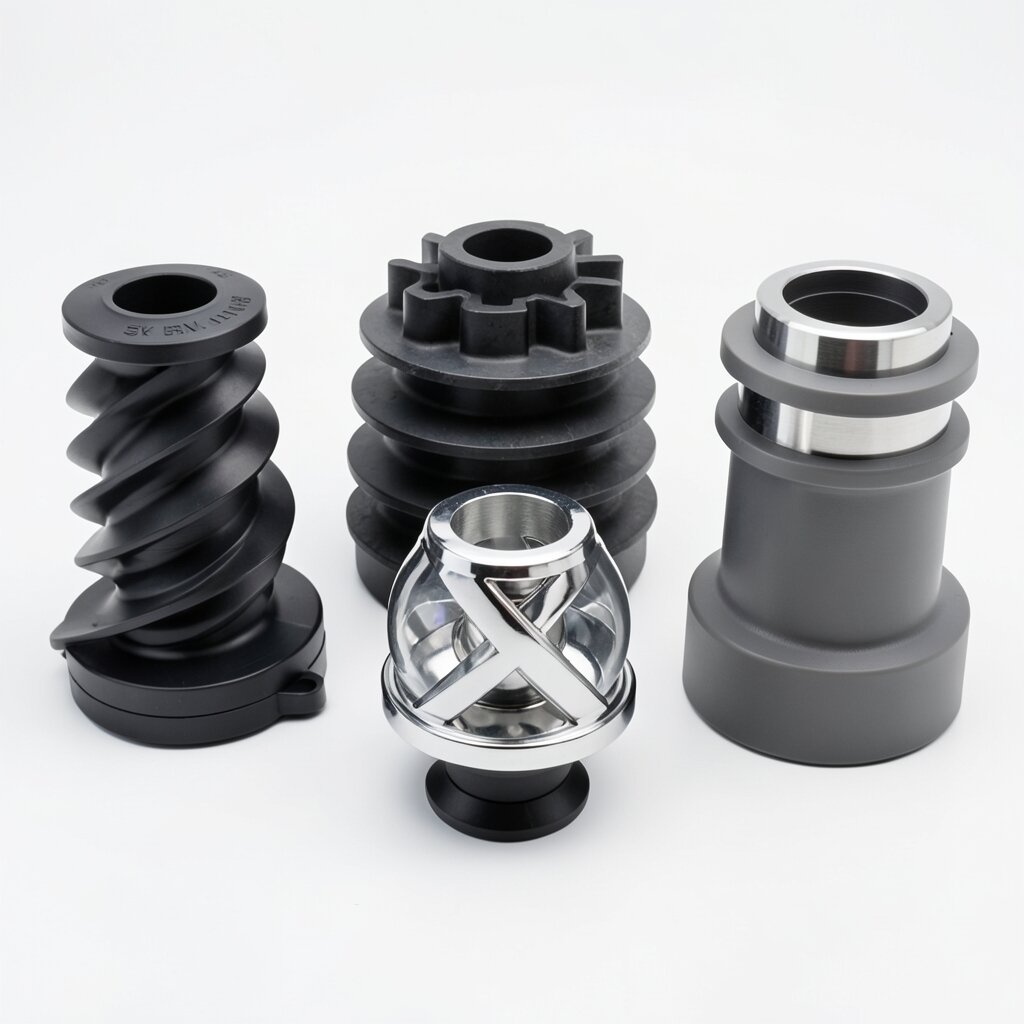
Flanged Color-Mixing Nozzle
High-Pressure Injection Nozzle
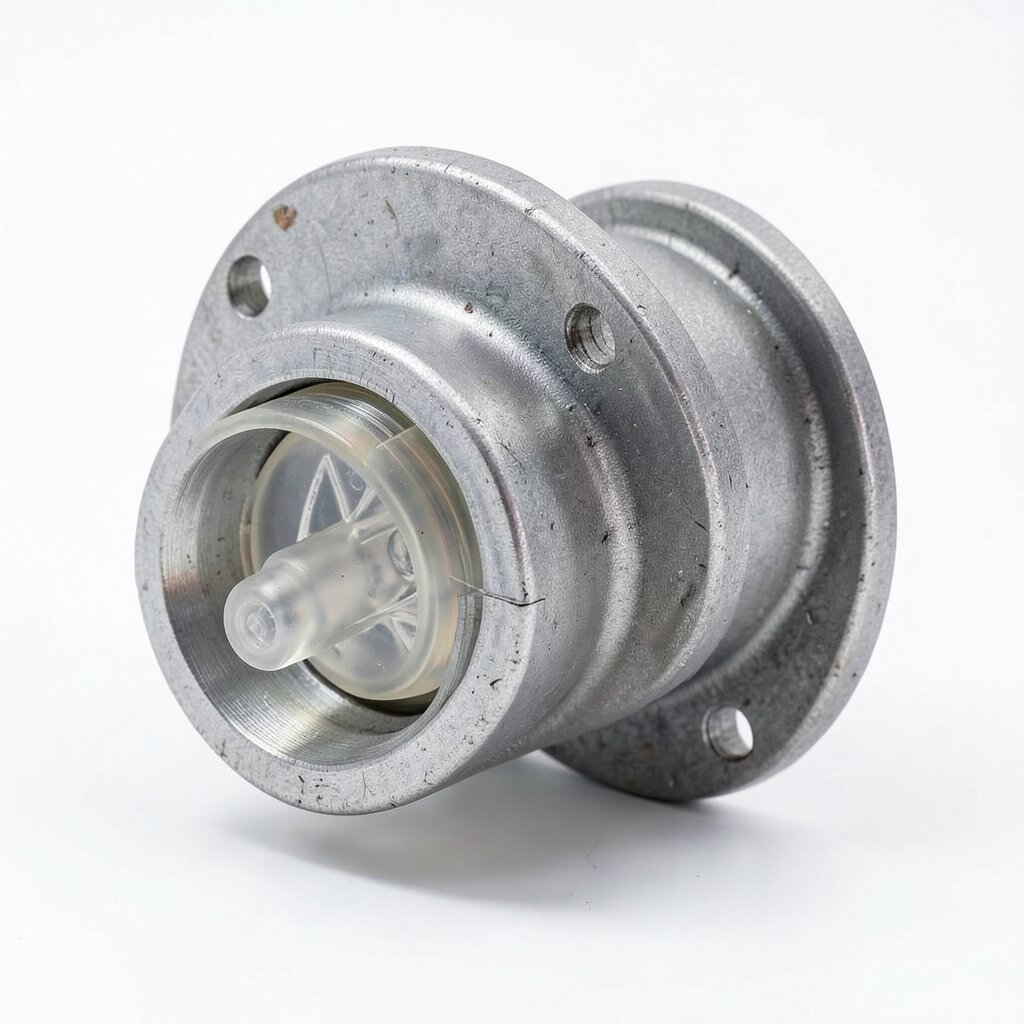
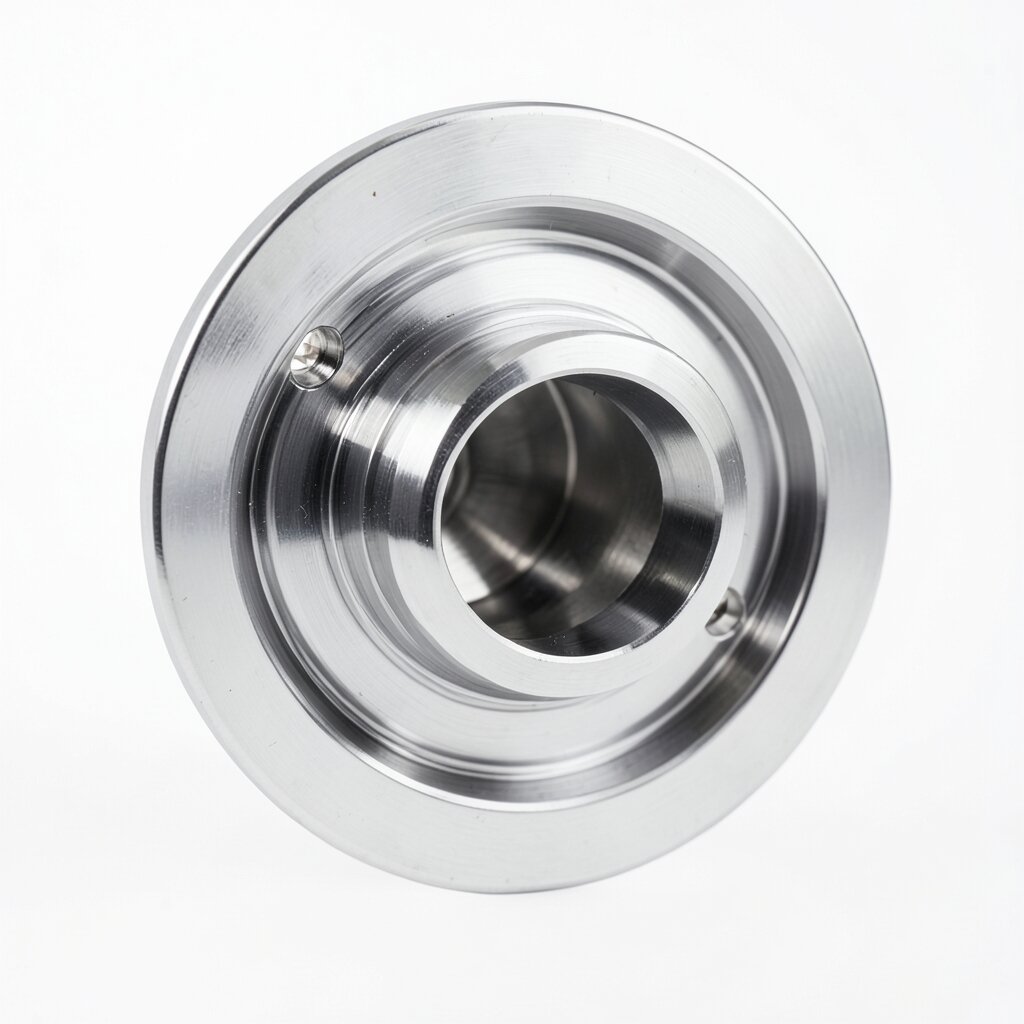
Flanged static-mixing nozzle for high-throughput injection and extrusion. Six to ten SK elements homogenize color masterbatch and additives in melt streams up to DN150 at 400°C.
Product Overview
The flanged color-mixing nozzle is the heavy-duty member of the ywmixing nozzle family, engineered for large injection molding machines (1,000-4,000 tonne clamp), sheet and profile extrusion lines, and compounding operations where melt throughput exceeds what a threaded nozzle can deliver. Instead of a draw-in thread, the nozzle connects through bolted flanges — ANSI B16.5 Class 150-300 or DIN PN16/PN40 — which transmit the high injection forces of large machines without thread fretting. Inside the flanged body, six to ten SK-type helical elements mix masterbatch, liquid colorants, functional additives, and recycled-content streams into the virgin polymer melt. The flanged design also allows element access from either end, so maintenance does not require removing the nozzle from the machine.
Design for High-Throughput Melt Streams
Large machines impose two constraints that threaded nozzles cannot meet. The first is axial force: an injection pressure of 150-220 MPa acting on a DN100 melt channel produces 120-170 tonnes of nozzle-seat force, which a threaded joint cannot hold reliably over millions of cycles. The flanged connection distributes this load across 8-12 grade-8.8 bolts. The second is melt velocity: at 3-6 kg/s shot rates the melt channel velocity reaches 2-4 m/s, and the element geometry must convert this high axial velocity into radial mixing without excessive pressure loss. The ywmixing flanged nozzle solves this with a two-zone element stack: an upstream zone of three widely pitched (270° twist) elements that gently re-orient the flow, followed by a downstream zone of five to seven tighter (180°) elements that do the fine distributive mixing near the gate.
Materials and Heat Treatment
The nozzle body is forged from H13 tool steel (UNS T20813, 5% Cr-Mo-V), hardened and tempered to 44-48 HRC, with the bore nitrided to 1,100 HV minimum. H13 retains its hot hardness up to 540°C, which is essential because large nozzles run continuously for days between maintenance stops. The mixing elements are also H13, polished to Ra ≤ 0.3 μm and, for glass-reinforced compounds, coated with a 3-4 μm titanium nitride PVD layer that extends element life by 3-5×. Flange faces are machined to 1.6 μm finish with spiral-wound gasket grooves (SS316L/graphite filler) rated for the full melt temperature range. Band heaters with 220-240 V ratings are fitted to the flange and body sections, controlled by the machine's nozzle thermocouple circuit.
Mixing Performance
With eight elements, the nozzle creates 2⁸ = 256 flow divisions, and the two-zone pitch arrangement holds the coefficient of variation of color intensity below 1.5% at the die or gate even with masterbatch loading as low as 1%. This matters most in three situations: large automotive parts where a single color mismatch across a 2 m² surface is immediately visible; extrusion of colored pipe and profile where streak-free output is a customer acceptance criterion; and recycled-content molding, where 30-70% regrind streams carry inconsistent pigment loads that would otherwise produce blotchy parts. The nozzle also flattens the melt temperature profile: after the element stack, radial temperature variation drops from a typical 8-15°C across the channel to under 2°C, which improves dimensional stability in thin-wall molding.
Technical Specifications
| Parameter | Value |
|---|---|
| Body Material | H13 tool steel, 44-48 HRC, bore nitrided ≥ 1,100 HV |
| Element Material | H13, Ra ≤ 0.3 μm; optional TiN PVD coating for glass-reinforced compounds |
| Flange Connection | ANSI B16.5 Class 150/300 or DIN PN16/PN40; 8-12 × grade 8.8 bolts |
| Melt Channel Diameter | DN50 to DN150 |
| Elements per Nozzle | 6-10 (two-zone: 3× 270° pitch + 5-7× 180° pitch) |
| Overall Length | 7D to 10D (350-900 mm depending on size) |
| Melt Temperature Rating | Up to 400°C continuous |
| Injection Pressure Compatibility | 150-220 MPa (150 MPa clamp force at DN100) |
| Flow Divisions | 2⁸ = 256 (8 elements) |
| Color Mixing Precision | σX ≤ 1.5% at 1% masterbatch loading |
| Temperature Uniformity | Radial ΔT ≤ 2°C after element stack |
| Heaters | 220-240 V band heaters, machine thermocouple control |
Frequently Asked Questions
Yes. Specify the TiN-coated element option when ordering; the coating extends element life 3-5× against glass fiber abrasion. Standard uncoated elements suit unfilled compounds.
ANSI B16.5 Class 150/300, DIN PN16/PN40, and JIS 10K/20K. Custom bolt patterns can be machined on request when you supply the machine adapter drawing.
The flanged static nozzle has no moving parts, no drive, and no extra seals — lower maintenance and zero leakage risk. Dynamic mixers offer higher shear but cost more and add a leak path at the shaft seal.
4-10 MPa depending on throughput and polymer. This is typically recovered by running the screw 5-10% faster, since color uniformity no longer depends on intensive screw mixing.
Related Products