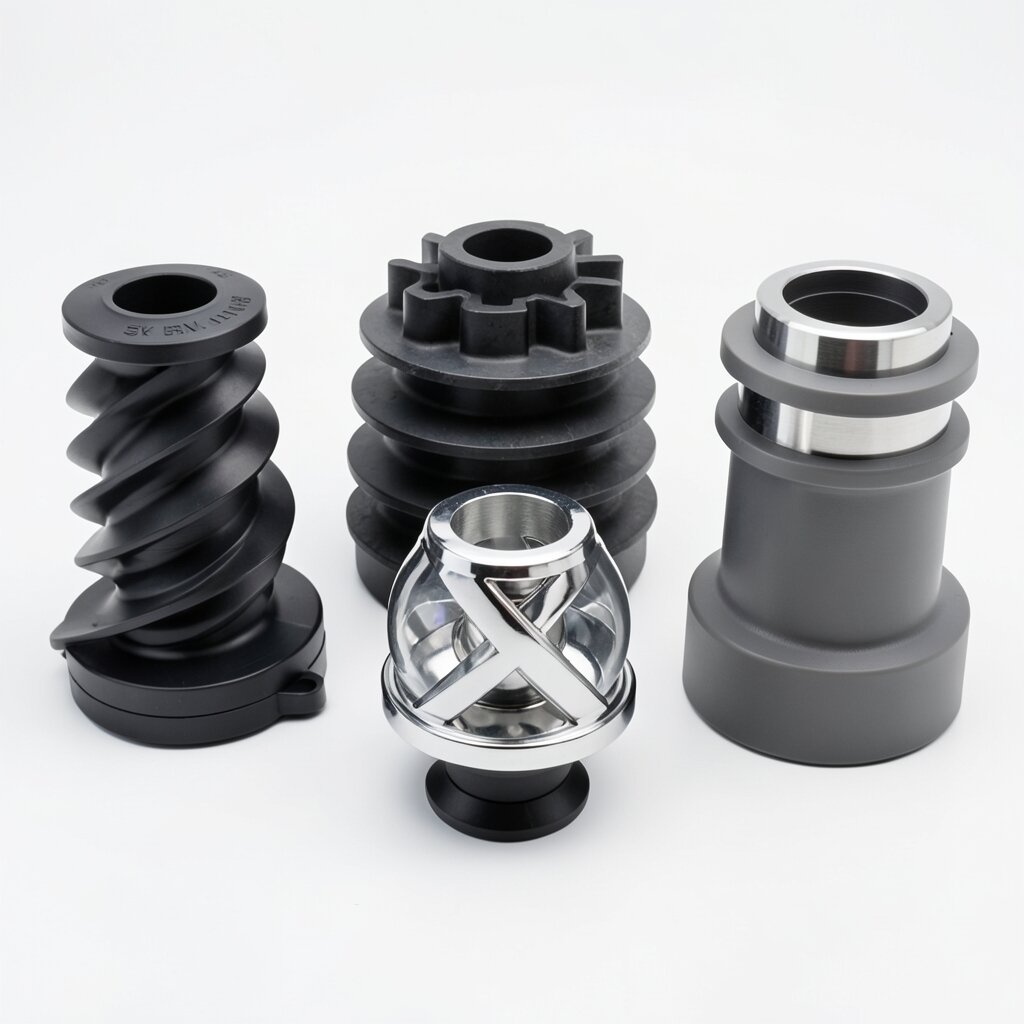
Anti-Clog Color-Mixing Nozzle
Non-Stick Design for Filled Polymers
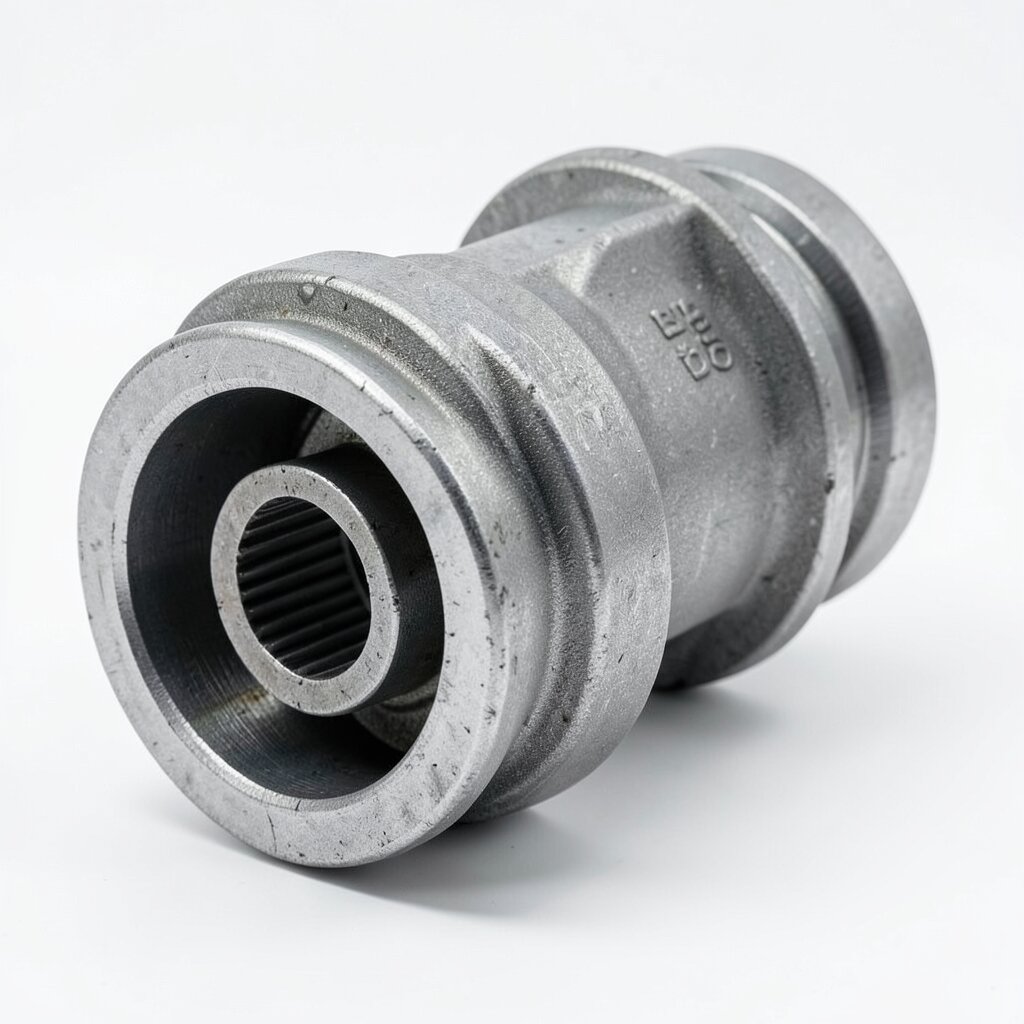
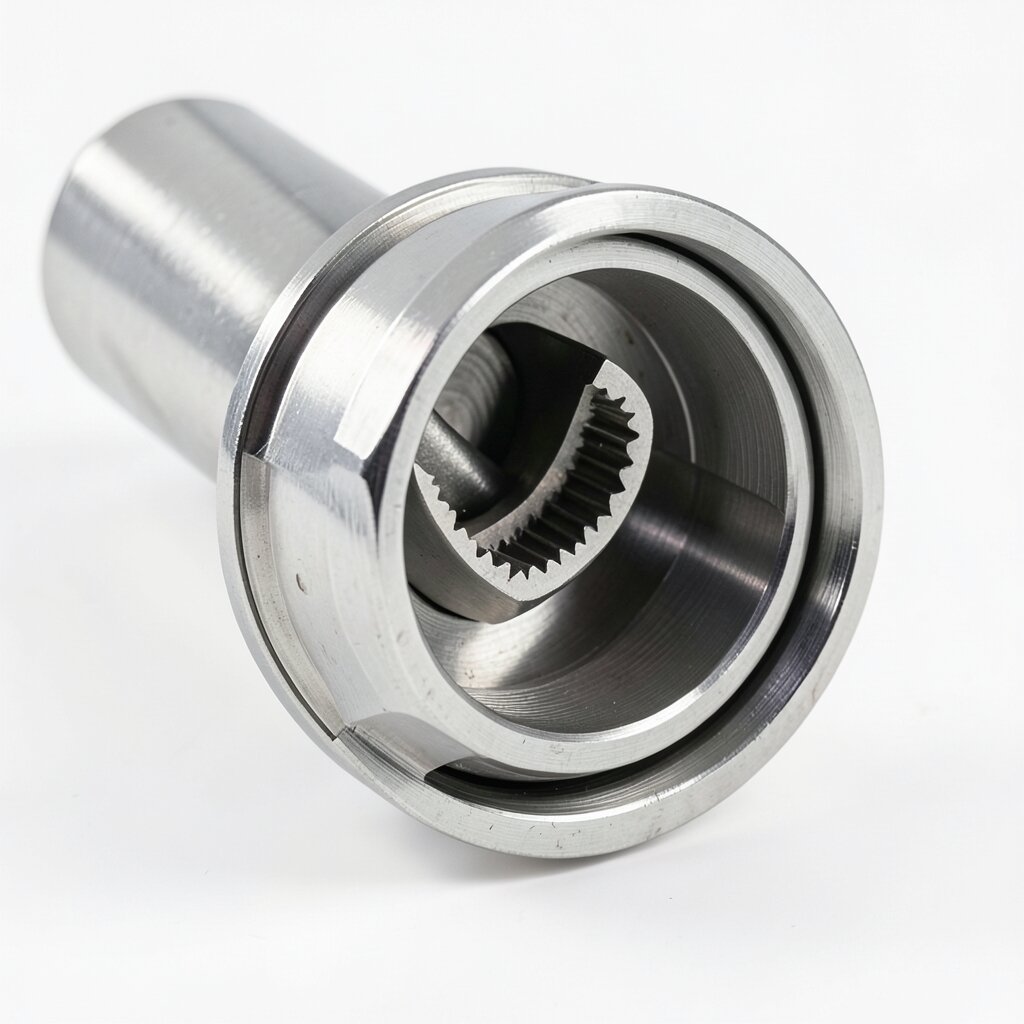
Color-mixing nozzle designed for filled, reinforced, and thermally sensitive polymers — oversized channels, non-stick bore, and quick-clean cartridge eliminate blockage and scorch.
Product Overview
Conventional mixing nozzles fail in three specific applications: highly filled compounds (40-70% mineral or glass filler) where elements act as filters and pack with fines; thermally sensitive polymers like PVC and POM where dead zones scorch; and color-change-intensive production where baked-on pigment builds up between runs. The anti-clog color-mixing nozzle addresses all three with a redesigned flow path. The element cartridge uses a wider blade pitch and 30% larger channel clearance than the standard nozzle, so the effective open area is 85% of the empty bore — versus 55-65% in conventional designs. The bore and elements carry a non-stick, high-temperature coating (PTFE-ceramic composite, continuous rating 300°C) that discourages pigment and filler adhesion. And the entire element cartridge releases through a bayonet lock for cleaning in under five minutes without removing the nozzle from the machine.
How the Anti-Clog Geometry Works
The clogging mechanism in a filled-polymer nozzle is fines accumulation: glass fibers and mineral filler particles are diverted by element edges into low-velocity pockets at the element-housing interface, where they pack and eventually bridge the channel. The anti-clog design attacks this at three levels. First, element blades are thinner (1.0-1.2 mm versus 1.5-2.0 mm standard) with a rounded leading edge, so particles slide past instead of lodging. Second, the twist pitch is lengthened to 270° per element, which reduces the number of sharp flow redirections per unit length and lowers the local shear gradient that drives particles toward walls. Third, the element-to-bore clearance is deliberately held at 1.5-2% of the bore diameter rather than zero — a tiny annular gap that lets fines pass through harmlessly instead of packing at the element edge. The trade-off is slightly lower mixing efficiency, compensated by adding one extra element to the stack.
Materials and Coatings
The nozzle body is nitrided alloy steel (38CrMoAl equivalent) with a case depth of 0.3-0.5 mm at 950 HV. The bore receives a two-layer coating: a ceramic base coat for adhesion, then a PTFE top coat, cured to give a non-stick surface with a coefficient of friction below 0.1 against molten polymer. The coating is rated for continuous service at 300°C and short peaks to 350°C, which covers unfilled engineering thermoplastics up to PA66 and PBT processing windows. Elements are available in the same coated alloy, or in ceramic-coated H13 for abrasive glass-filled compounds. For PVC and other HCl-releasing polymers, a chrome-plated bore option (25 μm minimum) resists corrosive attack while keeping the non-stick benefit of a polished surface.
Quick-Clean Cartridge System
The bayonet-lock cartridge is the maintenance breakthrough of this nozzle. To clean: retract the nozzle from the sprue, rotate the locking collar 90° counter-clockwise, and withdraw the element cartridge — no tools, no flange disassembly, no nozzle removal. The complete cleaning procedure — from stopping the machine to reinstalling a clean cartridge — takes 4-6 minutes, versus 30-60 minutes for a conventional nozzle that must be unthreaded and disassembled. This matters most in high-color-mix molding shops running frequent color changes: with the anti-clog nozzle, a second pre-loaded cartridge lets the operator swap elements in the time a conventional nozzle takes to cool. The removed cartridge is cleaned offline in a fluidized-bed oven or solvent bath without tying up the machine.
Technical Specifications
| Parameter | Value |
|---|---|
| Body Material | Nitrided alloy steel (38CrMoAl), case 0.3-0.5 mm @ 950 HV |
| Bore Coating | PTFE-ceramic composite, non-stick, μ < 0.1; optional 25 μm chrome plate for PVC |
| Element Geometry | 270° twist, 1.0-1.2 mm blade, rounded leading edge, 1.5-2% annular clearance |
| Open Area | 85% of empty bore (vs 55-65% conventional) |
| Elements per Nozzle | 5-9 (one extra vs standard to compensate clearance) |
| Melt Channel | DN20 to DN100 |
| Temperature Rating | 300°C continuous, 350°C peak (coated); 400°C (chrome-plated) |
| Cartridge Release | Bayonet lock, 90° rotation, no tools |
| Cleaning Time | 4-6 minutes (swap cartridge); offline clean in fluidized-bed/solvent |
| Color Mixing Precision | σX ≤ 3% (filled compounds); σX ≤ 2% (unfilled) |
| Pressure Drop | 2-6 MPa (30-50% lower than standard nozzle at same flow) |
Frequently Asked Questions
Marginal in practice. The extra element compensates for the small mixing loss, and measured σX stays below 3% even in 50% glass-filled compounds — well within visual acceptance limits.
With glass-filled PA at 30% GF, typical intervals are 15,000-30,000 cycles between cleans — 5-10× longer than a standard mixing nozzle. Fines accumulation, not color quality, sets the interval.
The PTFE-ceramic composite is applied 40-60 μm thick and wears gradually in glass-filled service; typical recoating interval is 1-2 years of continuous production. Ceramic-coated H13 elements last longer on abrasive compounds.
Yes — the nozzle uses standard Euromap threads (M80-M125) and radiused tips. Provide thread size, tip radius, and melt channel diameter; most machines need no adapter.
Related Products