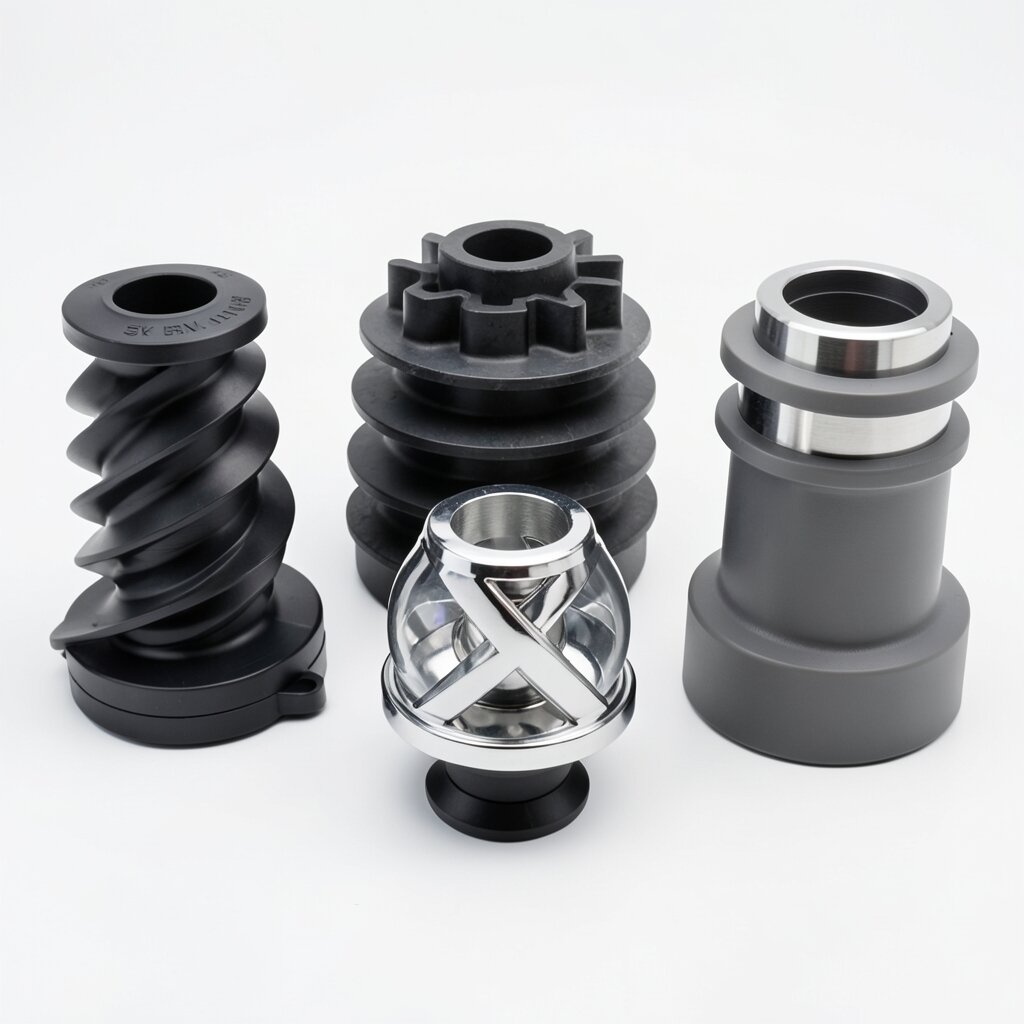
SV Type SS316L Mixing Element
Corrugated-Plate Cartridge
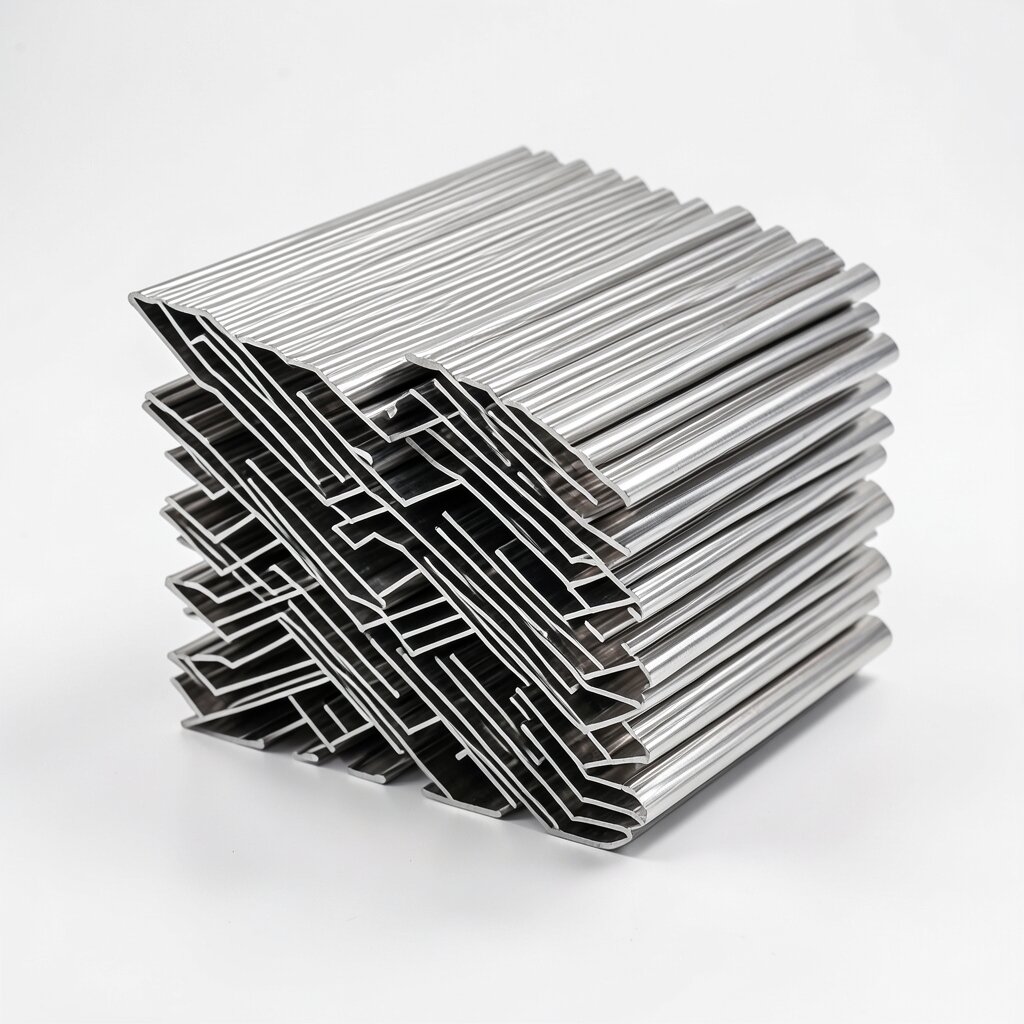
SV type SS316L corrugated-plate mixing element for fine dispersion of low-viscosity fluids. DN20-DN200, 1-2 μm dispersion precision, ideal for gas blending, fine emulsification, and chemical dosing.
Product Overview
The SV type SS316L mixing element is the high-precision corrugated-plate replacement cartridge for the SV family. The element consists of 4-8 pressed metal plates, each 0.5-1.0 mm thick, stacked inside a cylindrical shell with each plate rotated 90° to the next. The corrugation pitch is 5-15 mm and the depth is 1.5-4 mm, chosen to keep the Reynolds number inside the plate channels within the target mixing regime. The element delivers the characteristic 1-2 μm dispersion precision of the SV family — the finest of any ywmixing element — and is used wherever the process requires σX ≤ 1-5% in a compact footprint.
Material Properties
SS316L for the SV element is supplied as cold-rolled sheet to ASTM A240, with the same UNS S31603 specification as the SK and SX elements. The plate thickness is 0.5-1.0 mm depending on the element size, which is at the lower limit of what can be pressed without cracking — the press tool is designed with a 5 mm corner radius and a single-draw die to keep the strain below the 40% elongation limit. The plates are then stress-relieved at 1050°C for 30 minutes in a vacuum furnace to remove the spring-back that would otherwise distort the corrugation geometry. Surface finish is 2B as standard, with optional electropolish to Ra ≤ 0.8 μm for pharmaceutical service.
Compatible Housings
The SS316L SV element fits the ywmixing SV type housing in DN20-DN200, with flanged (ANSI B16.5 Class 150, DIN PN16, JIS 10K) or tri-clamp (ISO 2852) end connections. The housing interior finish matches the element finish (2B or Ra ≤ 0.8 μm). End retention is by a corrugated-plate carrier ring that locks the plate stack into the housing bore. The element is supplied as a single welded cartridge with 4, 6, or 8 plates depending on the required L/D ratio.
Installation & Replacement Guide
Replacement procedure is similar to the SK element. Depressurize, drain, and remove the end retainer. Pull the element out axially with steady hand pressure, taking care not to bend the outer plate edges. Inspect the housing for fouling; SV elements are used in clean service so fouling should be minimal, but the inspection is still mandatory. Fit new EPDM or FKM gaskets, slide the new element in (the upstream end is marked with a red dot), and refit the retainer. Total replacement time is 20-30 minutes in the field.
Technical Specifications
| Parameter | Value |
|---|---|
| Material | SS316L (UNS S31603) sheet, ASTM A240, 2B finish, optional electropolish Ra ≤ 0.8 μm |
| Element Geometry | Corrugated plates, 0.5-1.0 mm thick, 4-8 plates per element, 90° cross-rotation |
| Plate Dimensions | Length 100-600 mm; corrugation pitch 5-15 mm; depth 1.5-4 mm |
| Pipe Diameter Range | DN20 to DN200 |
| Pressure Rating | PN16 standard; PN25 available |
| Temperature Range | -50°C to +300°C |
| Viscosity Range | 0.5 cP to 100 cP (kinematic) |
| Dispersion Precision | 1-2 μm (turbulent regime) / 3-5 μm (laminar) |
| Pressure Drop | ΔP = 0.1-0.5 bar across 8 plates at 2 m/s |
| Non-Uniformity Coefficient | σX ≤ 1-5% at L/D = 5-12, 4-8 plates |
| Clogging Risk | High — channel width 2-5 mm; particulate must be < 0.5 mm |
| Connection Types | Flange (ANSI 150, DIN PN16), tri-clamp (ISO 2852) |
| Mass (DN100, L/D=7) | 0.9 kg per element |
Related Products