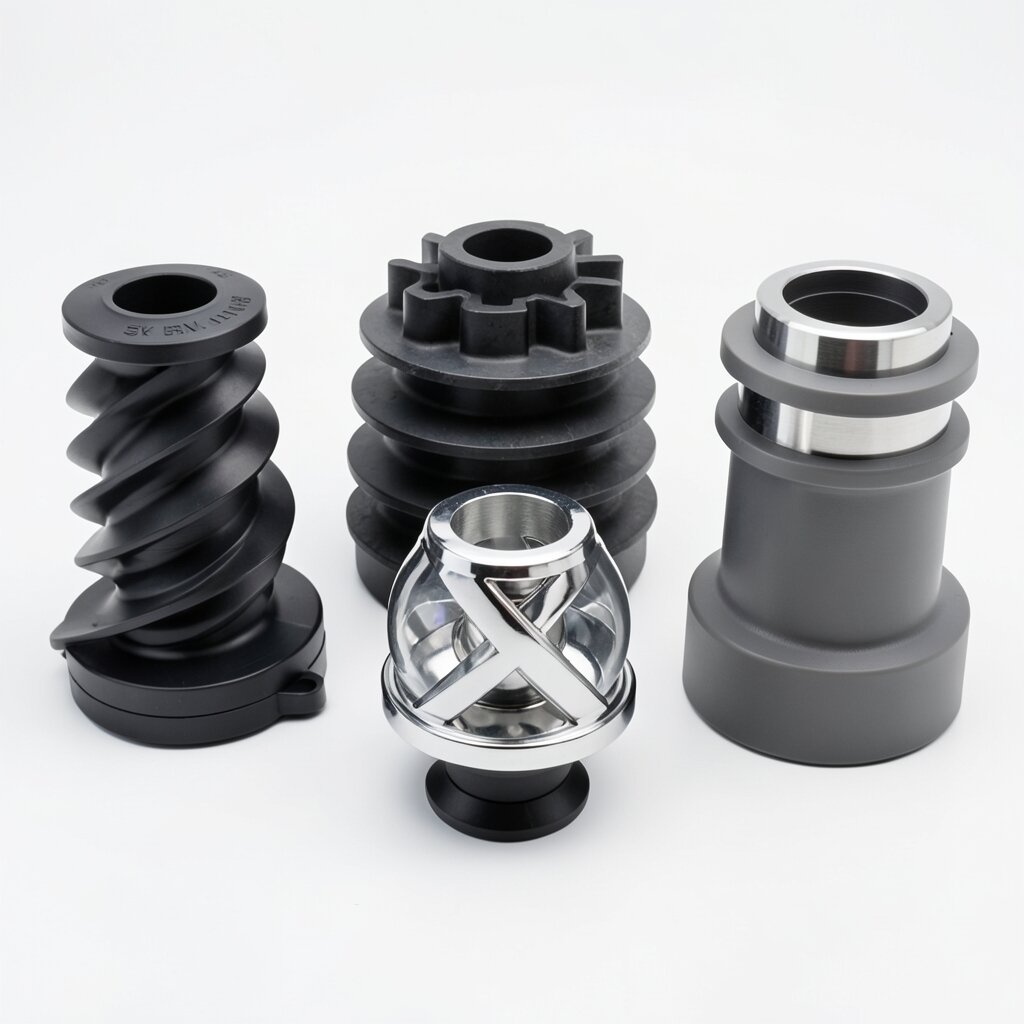
SK Type Hastelloy Mixing Element
High-Nickel Alloy Cartridge
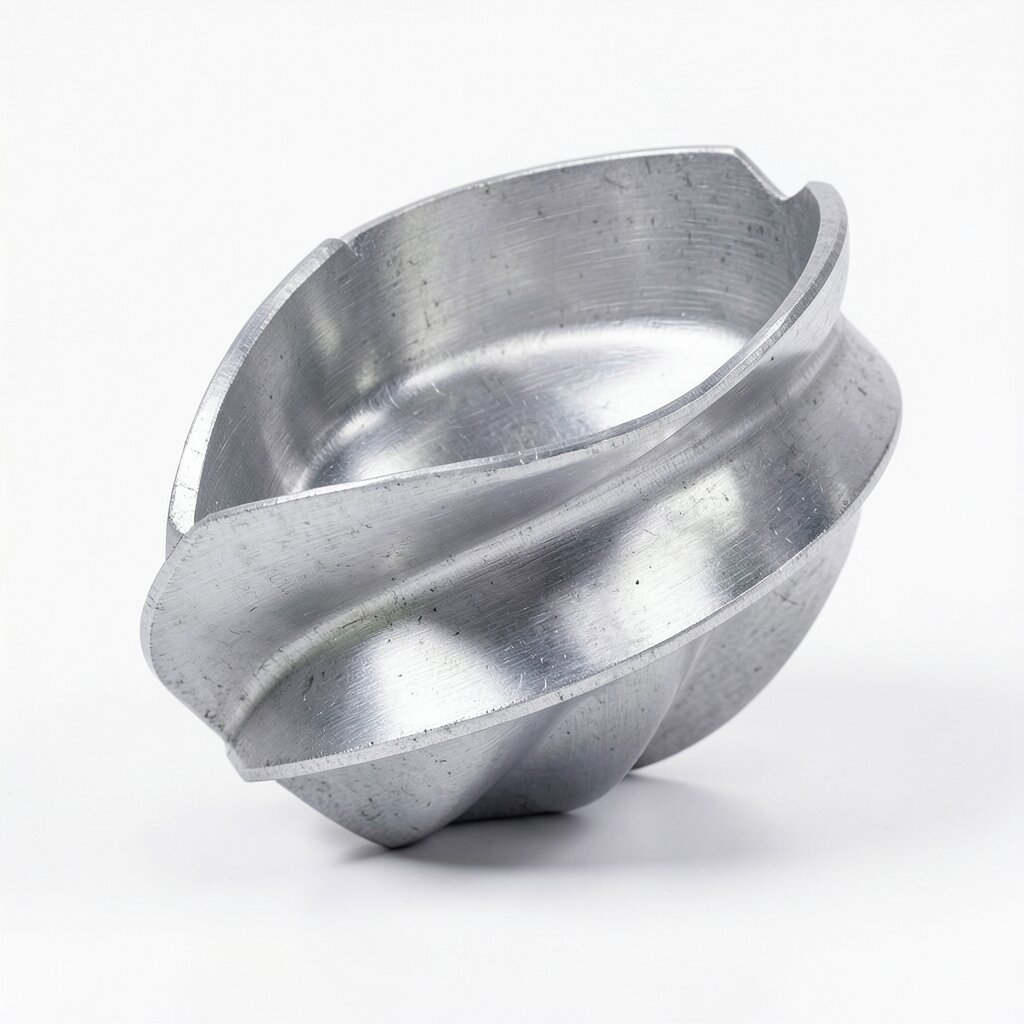
SK type Hastelloy C-276 mixing element for hot concentrated acids, wet chlorine, and seawater. DN15-DN250, 1040°C melting point, PREN 65. Used in HCl absorbers, bleach plants, and FGD.
Product Overview
The SK type Hastelloy C-276 mixing element is the premium high-nickel-alloy replacement cartridge for service environments where neither SS316L nor PTFE is adequate. Hastelloy C-276 (UNS N10276) is a Ni-Mo-Cr alloy with 57% Ni, 16% Mo, 15.5% Cr, 5.5% Fe, and 4% W — a composition that delivers exceptional resistance to pitting, crevice corrosion, and stress-corrosion cracking in chloride-rich and reducing-acid environments. The element is machined from solid bar stock rather than stamped from sheet, which is why it carries a price premium but can be supplied in geometries that are impossible to achieve with rolled stainless.
Material Properties
Hastelloy C-276 has a density of 8.89 g/cm³, a melting range of 1325-1370°C, and a PREN (pitting resistance equivalent number) of 65 — roughly 2.5× the value for SS316L. The alloy resists all concentrations of HCl up to 65°C, all concentrations of H₂SO₄ below 90°C, wet chlorine gas, hypochlorite solutions, ferric and cupric chloride, and seawater at any temperature. It also handles oxidizing contaminants in acid streams (Fe³⁺, Cu²⁺, dissolved O₂) that would normally attack the lower-molybdenum stainless grades. Mechanical strength is excellent: tensile strength 690 MPa minimum, yield 280 MPa, and useful ductility down to -196°C. The alloy is supplied in the solution-annealed condition (1150°C water quench) and is fully stabilized against grain-boundary carbide precipitation, which means welded elements require no post-weld heat treatment.
Compatible Housings
The Hastelloy element fits the ywmixing SK type housing in DN15-DN250. The housing is supplied either in solid Hastelloy C-276 (for the most aggressive services) or as a carbon-steel shell with a loose Hastelloy liner (for pressure containment at lower cost). Flange classes are limited to PN16/ANSI 150 because higher classes would require Hastelloy forgings, which are not cost-effective. End retention is by a Hastelloy spring-clip retainer identical in geometry to the SS316L version.
Installation & Replacement Guide
Replacement procedure is identical to the SS316L element, with two additional precautions. First, never use carbon-steel tools in contact with the Hastelloy surface — iron contamination will cause rust-staining and create a galvanic cell that initiates pitting in chloride service. Use only stainless or Hastelloy tools. Second, when fitting the element, ensure that the O-ring is made of FKM, EPDM, or PTFE only — never natural rubber or nitrile, which the alloy will degrade. After re-assembly, the housing should be flushed with deionized water and passivated with 20% HNO₃ for 30 minutes before being returned to service.
Technical Specifications
| Parameter | Value |
|---|---|
| Material | Hastelloy C-276 (UNS N10276), solution-annealed, ASTM B574 / B575 |
| Element Geometry | 180° or 270° helical twist, 2-6 elements, 90° cross-rotation |
| Twist Length (L) | 45 mm per 180° twist (DN15-DN50); 90 mm per 180° twist (DN65-DN150); 135 mm per 180° twist (DN200-DN250) |
| Blade Thickness | 1.5 mm (DN15-DN50); 2.0 mm (DN65-DN100); 2.5 mm (DN125-DN200); 3.0 mm (DN250) |
| Pipe Diameter Range | DN15 to DN250 |
| Pressure Rating | PN16 standard; PN25 available |
| Temperature Range | -196°C to +400°C continuous; up to 1040°C melting point |
| Viscosity Range | 1 cP to 1,000,000 cP |
| Pressure Drop | ΔP = 1.2-2.5 × empty-pipe ΔP at Re = 1,000-10,000 |
| Mixing Precision | Coefficient of variation σX ≤ 5% at L/D = 7, 4 elements |
| Connection Types | Flange (ANSI B16.5 Class 150, DIN PN16), weld-neck |
| Mass (DN100, L/D=7) | 2.0 kg per element |
Related Products