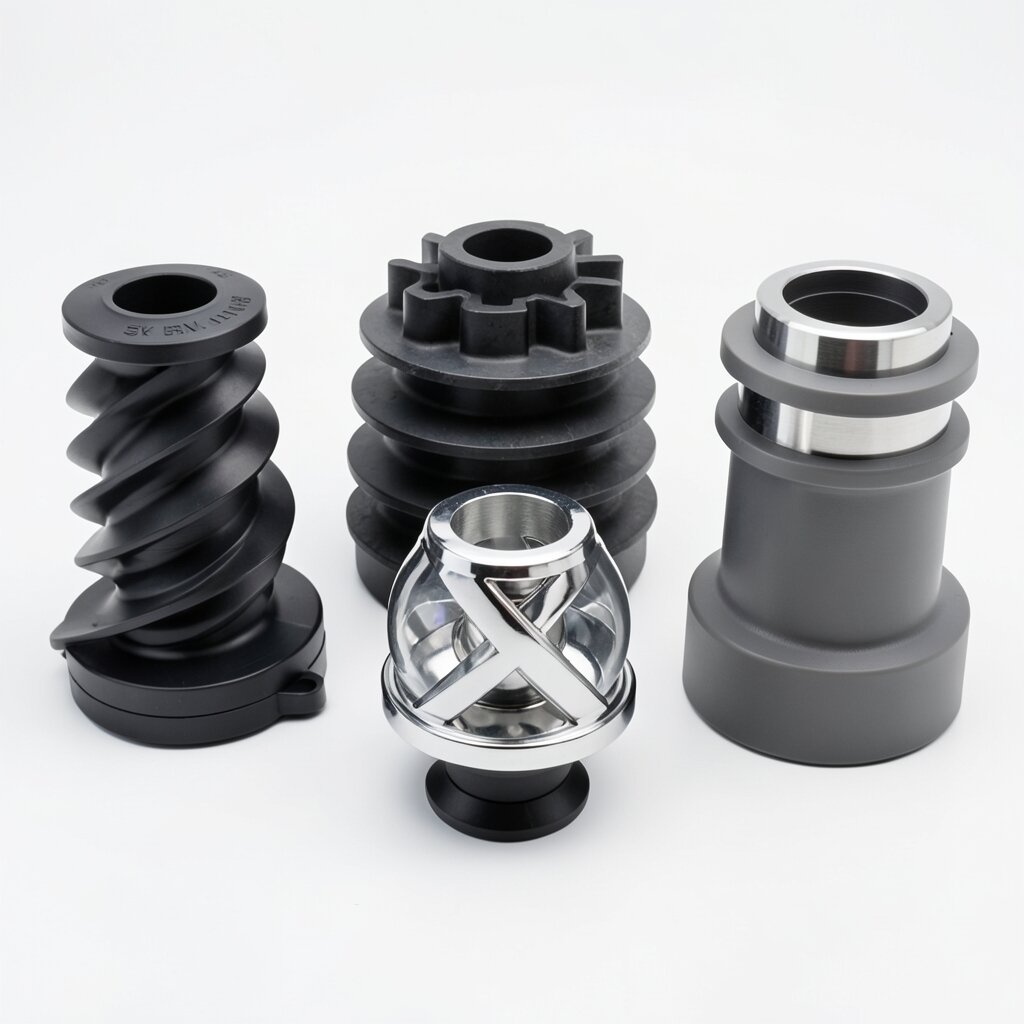
SK Type Food-Grade SS316L Element
Mirror-Polished Cartridge
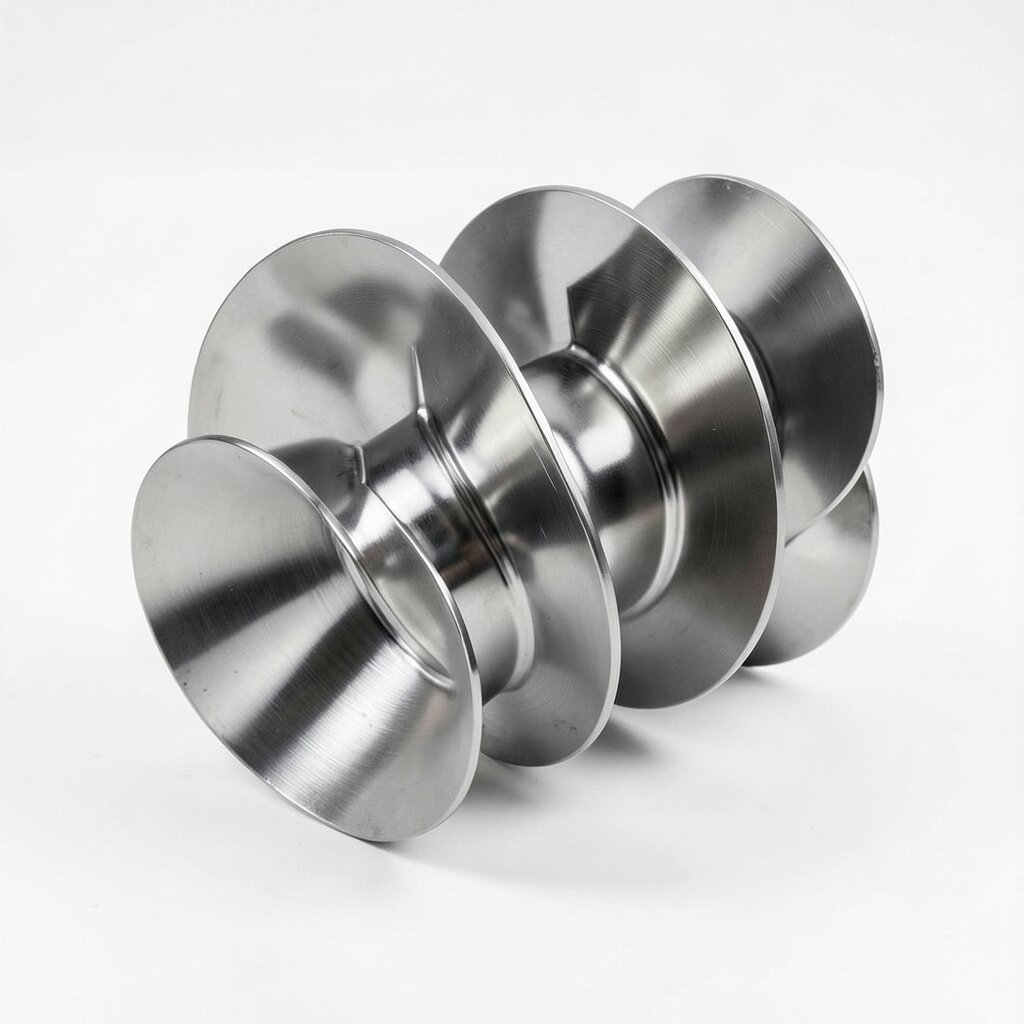
SK type food-grade SS316L mixing element with mirror-polished surface (Ra ≤ 0.4 μm). DN25-DN200, FDA and EU 1935/2004 compliant, ideal for dairy, beverage, and pharmaceutical CIP service.
Product Overview
The SK type food-grade SS316L mixing element is the hygienic version of the standard SS316L helical cartridge. The element is identical in geometry to the standard SK element, but every surface that contacts the process fluid is mirror-polished to Ra ≤ 0.4 μm and passivated per ASTM A967. This surface finish eliminates the micro-crevices that would otherwise trap product residue, allow biofilm formation, or contaminate the next batch. The element is supplied with full material traceability (mill certificate, composition, heat treatment) and is approved for food contact under FDA 21 CFR 110 and EU 1935/2004.
Material Properties
SS316L for the food-grade element is supplied to the same UNS S31603 specification as the standard element, with the additional requirements that all bar stock is sourced from a single heat and that the sulfur content is limited to 0.010% max to improve weldability and reduce the risk of pitting in chloride-rich service. The mirror polish is achieved by a 3-stage process: 180-grit mechanical polishing, 320-grit fine polishing, then electropolishing to Ra ≤ 0.4 μm. Passivation follows in 20% HNO₃ at 50°C for 30 minutes, followed by a deionized water rinse and a 70°C drying step. The final surface is free of iron contamination (verified by the copper sulfate test per ASTM A967) and is hydrophilic, which prevents air-pocket formation during CIP.
Compatible Housings
The food-grade element fits the ywmixing hygienic SK housing in DN25-DN200, with tri-clamp (ISO 2852, DIN 32676) or aseptic flanged end connections. The housing interior is polished to the same Ra ≤ 0.4 μm finish, and all gaskets are EPDM or FKM per FDA 21 CFR 177.2600. End retention is by a sanitary tri-clamp retainer. The element is supplied in a sealed polyethylene bag with a Certificate of Conformity listing the heat number, surface roughness, and passivation date.
Installation & Replacement Guide
Food-grade elements must be handled with clean nitrile gloves throughout the replacement process. Depressurize, drain, and flush the housing with CIP solution (1-3% NaOH at 80°C) followed by a deionized water rinse. Remove the tri-clamp retainer and slide the element out. Inspect the housing for residual product and re-CIP if any is visible. Fit new sanitary gaskets, slide the new element in (the element is supplied pre-bagged; open the bag only at the moment of insertion), and re-clamp. The full replacement takes 20-30 minutes, including the pre- and post-CIP cycles.
Technical Specifications
| Parameter | Value |
|---|---|
| Material | SS316L (UNS S31603), single-heat traceable, sulfur ≤ 0.010% |
| Surface Finish | Mirror-polished to Ra ≤ 0.4 μm, electropolished, passivated per ASTM A967 |
| Element Geometry | 180° or 270° helical twist, 2-6 elements, 90° cross-rotation |
| Twist Length (L) | 45 mm per 180° twist (DN25-DN50); 90 mm per 180° twist (DN65-DN150); 120 mm per 180° twist (DN200) |
| Blade Thickness | 1.2 mm (DN25-DN50); 1.5 mm (DN65-DN100); 2.0 mm (DN125-DN200) |
| Pipe Diameter Range | DN25 to DN200 |
| Pressure Rating | PN16 standard; PN25 available |
| Temperature Range | -50°C to +300°C (limited to 95°C for food-grade service by gasket material) |
| Viscosity Range | 1 cP to 100,000 cP |
| Pressure Drop | ΔP = 1.2-2.5 × empty-pipe ΔP at Re = 1,000-10,000 |
| Mixing Precision | Coefficient of variation σX ≤ 5% at L/D = 7, 4 elements |
| Connection Types | Tri-clamp (ISO 2852, DIN 32676), aseptic flange |
| Compliance | FDA 21 CFR 110, EU 1935/2004, 3-A Sanitary, EHEDG |
| Mass (DN100, L/D=7) | 1.8 kg per element |
Related Products