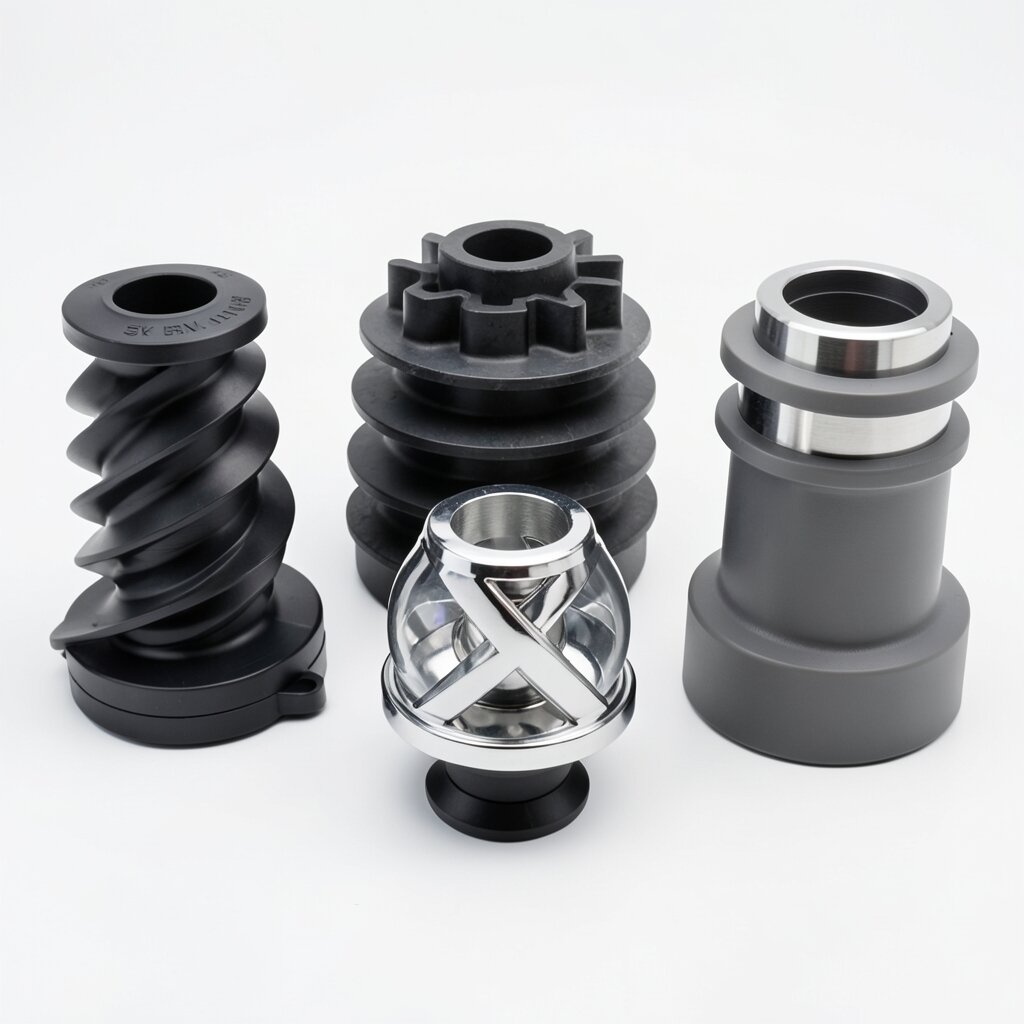
4mm Precision Mixing Element
Micro-Scale SS316L Cartridge
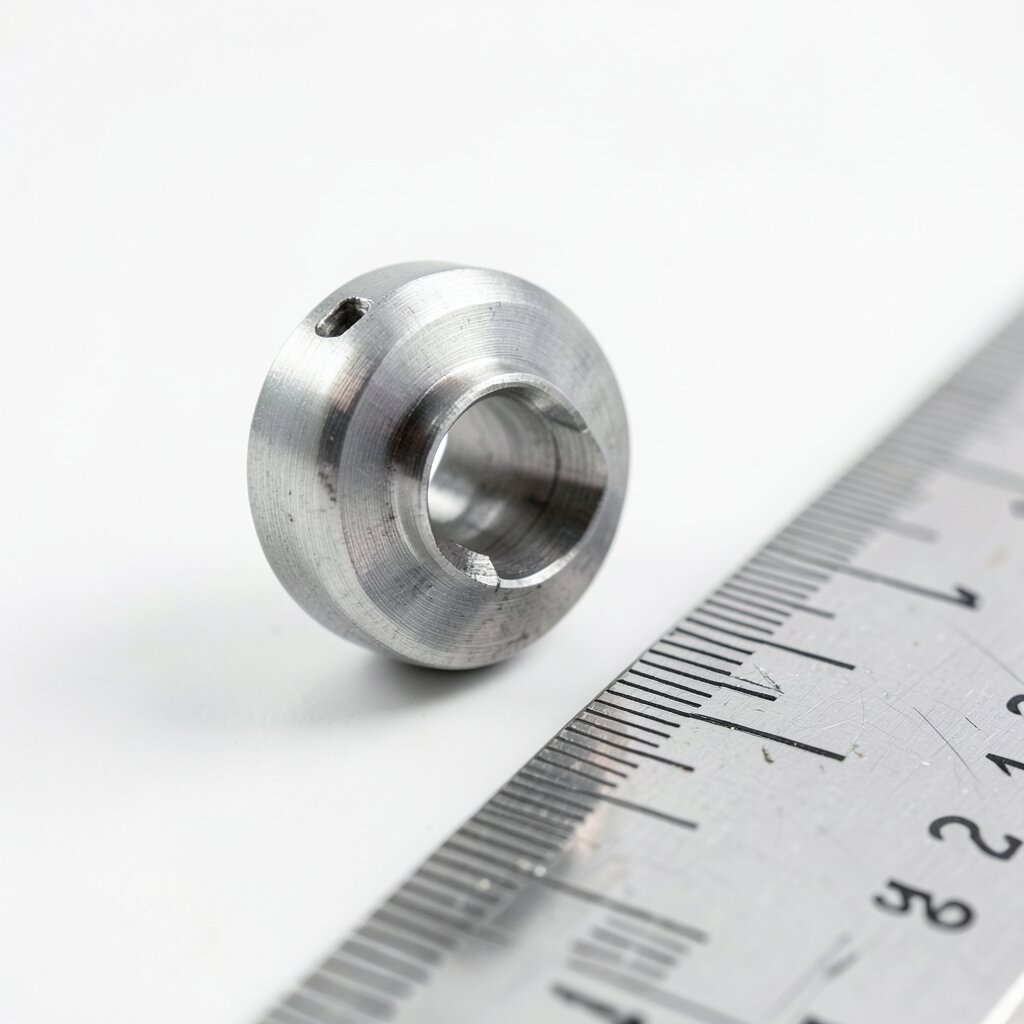
4mm precision SK type SS316L mixing element for micro-scale analytical, medical, and research service. DN4-DN10, capillary-grade precision, ideal for HPLC, mass-spec, and lab-on-chip feed lines.
Product Overview
The 4mm precision SK type SS316L mixing element is the smallest and most precise cartridge in the ywmixing product line. The element is built to the standard 180°/270° helical-twist geometry but scaled down to DN4-DN10 with blade thicknesses as small as 0.2 mm and positional tolerances of ±0.02 mm. The element is designed for capillary-grade service where the flow rate is below 100 mL/min and the residence time must be predictable to within 1% for analytical reproducibility.
Material Properties
SS316L for the 4mm element is supplied as precision-ground strip to a tighter composition specification than the standard element — phosphorus and sulfur limited to 0.020% max, with the inclusion rating at ASTM E45 Class A. The strip is photochemically etched to the blade profile rather than stamped, which eliminates the burr and stress concentration that would otherwise be present on a stamped edge. The etched blade is then stress-relieved at 1050°C for 30 minutes in a vacuum furnace to restore the ductility, and the final surface is electropolished to Ra ≤ 0.2 μm. The mechanical strength is unchanged from the standard SS316L specification (yield 200 MPa, elongation 40%), but the small blade cross-section means the rated flow velocity is limited to 2 m/s to keep the blade deflection below 0.05 mm.
Compatible Housings
The 4mm element fits a dedicated precision housing in DN4-DN10, supplied with Swagelok, compression-fitting, or 1/4-28 UNF threaded end connections. The housing interior is electropolished to Ra ≤ 0.2 μm. End retention is by a split-ring retainer that engages a groove machined into the housing's outlet bore. The element is supplied pre-installed in a protective carrier tube that is removed only at the moment of insertion, to prevent handling damage.
Installation & Replacement Guide
Precision 4mm elements must be handled under cleanroom conditions (ISO Class 7 or better) and with clean nitrile gloves. Depressurize the housing, vent both ends to atmosphere, and remove the outlet split-ring using the supplied non-marring pick. Slide the element out by the central tie-rod extension, taking care not to bend the blades. Clean the housing with HPLC-grade isopropanol and dry with filtered nitrogen (0.01 μm filter). Fit a new FFKM (perfluoroelastomer) O-ring (Kalrez or equivalent), insert the element from the carrier tube, and re-install the split-ring. The full replacement takes 5-10 minutes, but the cleanliness requirements add 30-45 minutes for the cleaning and drying steps.
Technical Specifications
| Parameter | Value |
|---|---|
| Material | SS316L (UNS S31603), precision-ground strip, ASTM E45 Class A |
| Element Geometry | 180° or 270° helical twist, 2-4 elements, 90° cross-rotation |
| Blade Thickness | 0.2 mm (DN4); 0.3 mm (DN6); 0.4 mm (DN8); 0.5 mm (DN10) |
| Blade Width | 6 mm (DN4); 9 mm (DN6); 12 mm (DN8); 15 mm (DN10) |
| Dimensional Tolerance | ±0.02 mm on blade position; ±0.05 mm on length |
| Pipe Diameter Range | DN4 to DN10 |
| Pressure Rating | PN16 standard; PN40 available |
| Temperature Range | -50°C to +250°C |
| Viscosity Range | 0.3 cP to 1,000 cP |
| Flow Rate Range | 0.01 to 100 mL/min |
| Pressure Drop | ΔP = 1.5-3.0 × empty-pipe ΔP at Re = 100-10,000 |
| Mixing Precision | Coefficient of variation σX ≤ 2% at L/D = 10, 4 elements |
| Connection Types | Swagelok, compression fitting, 1/4-28 UNF, 1/16 NPT |
| Surface Finish | Electropolished to Ra ≤ 0.2 μm |
| Mass (DN6, L/D=10) | 0.005 kg per element |
Related Products