
Pneumatic Shut-Off Nozzle
Air-actuated shut-off nozzle that seals the melt channel between shots — eliminating drool, stringing, and premature leakage in open-nozzle injection molding.
Product Overview
Open-nozzle injection molding machines rely on the check valve alone to contain melt between shots, but the melt in the nozzle channel remains at pressure — and over the seconds between cycles it slowly drools out through the tip, stringing across the mold face and contaminating the next shot. The pneumatic shut-off nozzle solves this by adding a positive mechanical seal: a hardened needle inside the nozzle is driven forward by compressed air to close the tip orifice between shots, and retracted at injection start. The result is a clean nozzle face, no drool waste, faster cycles (the machine no longer waits for drool cleanup), and protection of the hot runner or sprue bushing from cold slugs. The ywmixing design uses a compact air cylinder integrated into the nozzle body, with response times of 10-20 ms and a service life of 10 million cycles.
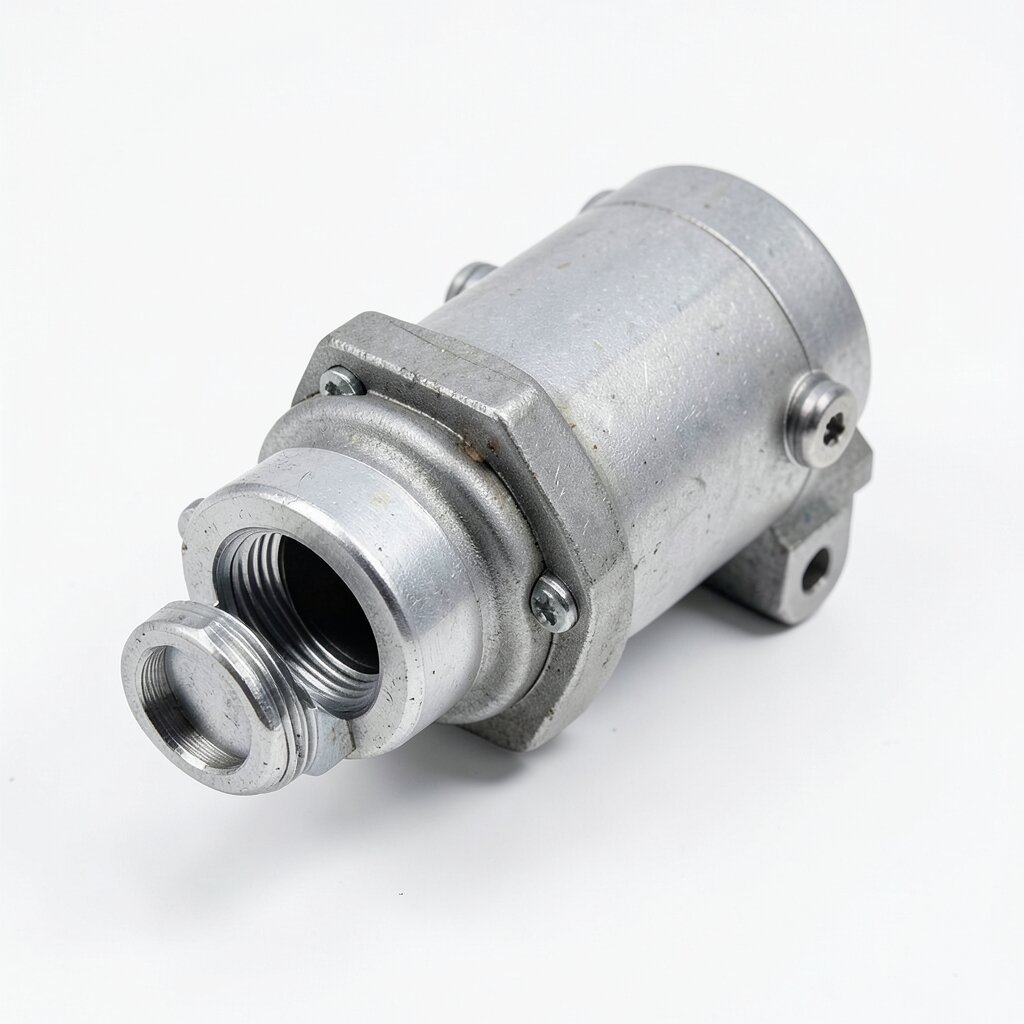
How the Air-Actuated Needle Works
The nozzle contains an axially sliding needle that is spring-loaded open (or closed, depending on the fail-safe option). Compressed air at 0.4-0.6 MPa is ported through the nozzle body to a small piston ring on the needle; energizing the air supply drives the needle against the tip seat and seals the orifice. The machine PLC times the air signal to the injection sequence: close at the end of injection (or at screw retract), open just before injection start. Because the needle stroke is only 3-6 mm, closure happens in 10-20 ms — fast enough to catch the melt pressure at the end of the shot before drool can begin. The fail-safe version is spring-closed, so a loss of air pressure automatically seals the nozzle — the safe choice for hot-runner molds where unintended melt flow is a fire or quality hazard.
Materials and Construction
The nozzle body is machined from nitrided alloy steel with the melt channel chrome-plated to 0.02-0.03 mm for corrosion resistance and low friction against the needle. The needle is H13 tool steel, hardened to 48-52 HRC, with the tip ground to a 60° conical seat that matches the nozzle orifice at a 1.6 μm finish. The air cylinder bore is honed to 0.8 μm and fitted with a PTFE-filled piston seal rated for continuous service at 300°C; the seal assembly is serviceable from the rear of the nozzle without removing it from the machine. All air passages are drilled and cross-drilled in the body wall, with a 1/8" BSP air inlet fitting and an optional proximity sensor port for closed-loop needle-position feedback. Band heaters wrap the body above and below the cylinder section, so the air cylinder sees minimal heat soak.
Benefits in Production
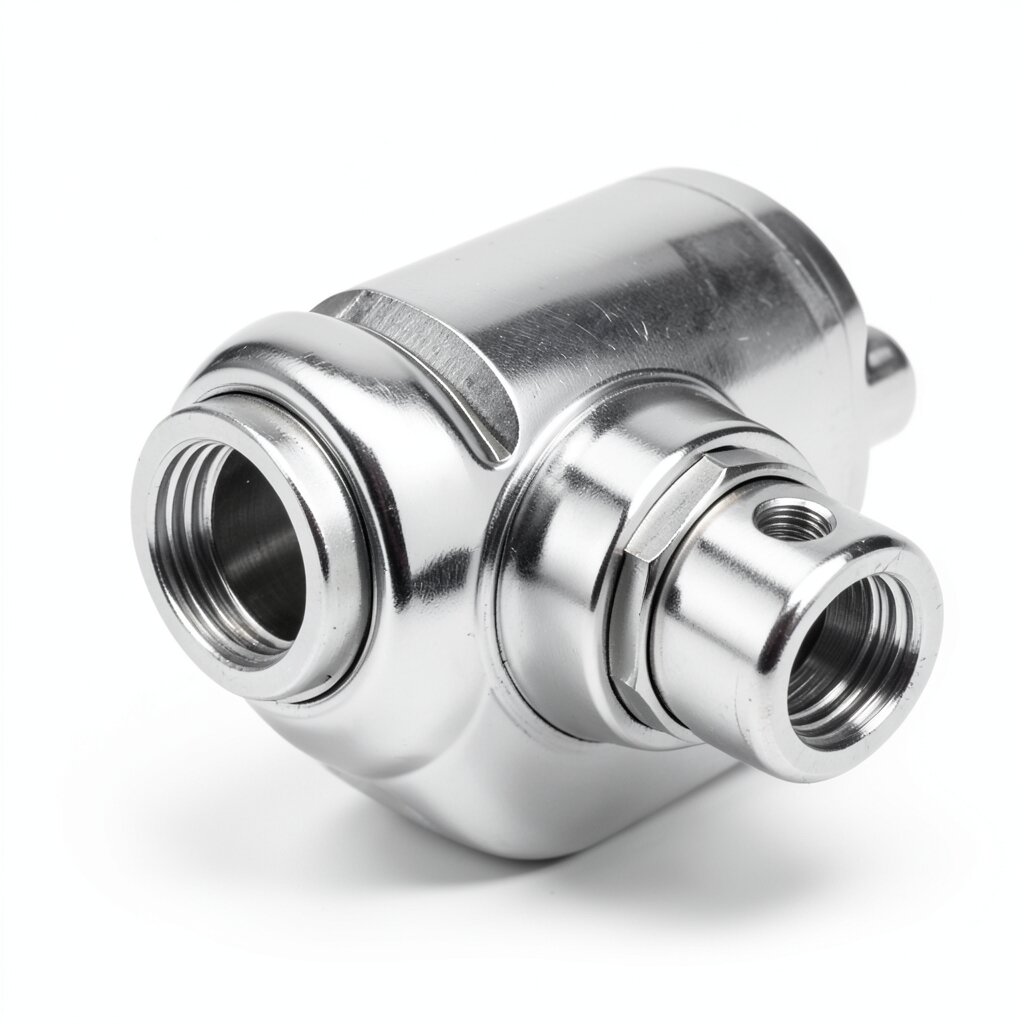
Molders install shut-off nozzles for four measurable gains. First, drool elimination: with the orifice sealed, no melt escapes between cycles — eliminating material waste, nozzle-face cleaning stops, and cold-slug defects at the start of each shot. Second, faster cycles: the machine can decompress less aggressively (reducing screw retract distance by 5-15 mm) because melt cannot leak, cutting cycle time by 1-3%. Third, better part quality on hot-runner systems: the sealed nozzle prevents pressure bleed that causes gate blush and short shots on the first cavity of a family mold. Fourth, cleaner color changes: with the melt channel sealed at the tip, purging compound is displaced completely instead of lingering in the nozzle, shortening color-change time by 15-30%. These benefits typically pay back the nozzle cost within 3-6 months of continuous production.
Technical Specifications
| Parameter | Value |
|---|---|
| Melt Channel | DN20 to DN80 |
| Draw-In Thread | M80×2, M95×2, M110×2, M125×2 (Euromap 11/13) |
| Air Supply | 0.4-0.6 MPa clean, dry, oiled air |
| Air Inlet | 1/8" BSP |
| Needle Stroke | 3-6 mm |
| Closure Response | 10-20 ms |
| Fail-Safe | Spring-closed (safe on air loss) or spring-open option |
| Body Material | Nitrided alloy steel, chrome-plated melt channel |
| Needle Material | H13, 48-52 HRC, 60° conical seat @ 1.6 μm finish |
| Melt Temperature Rating | Up to 350°C continuous |
| Service Life | 10 million cycles (seal service every 2 million) |
| Optional Feedback | Proximity sensor port for needle-position monitoring |
Installation and Setup
Installation follows the standard nozzle procedure — clean the barrel spindle thread, apply anti-seize, and torque the draw-in thread. Then connect the air line to the 1/8" BSP inlet through a 5/2-way solenoid valve controlled by the machine PLC. Program the sequence: energize the valve to close the needle at the end of injection (or at screw retract, whichever is later in your sequence); de-energize to open just before injection start. Commission with the machine cold: cycle the valve 20 times to confirm full needle travel, then heat to processing temperature and run a purge shot to verify the seat seals completely (no melt should pass the tip with the nozzle closed). For the proximity-sensor option, set the trigger gap at 1-2 mm from the needle's rear face when closed.
Applications
The pneumatic shut-off nozzle is used in: open-nozzle molding of low-viscosity melts (PA, POM, PP with high MFI) that drool readily; hot-runner and valve-gate systems needing a positive upstream seal; multi-cavity molds where first-cavity fill must be identical each cycle; automated molding cells where nozzle-face cleaning is not possible; and vertical or two-plate machines where gravity assists drooling. The fail-safe spring-closed version is specified for unattended night-shift operation and for processing of flammable or temperature-sensitive melts where an unplanned melt leak is unacceptable.